How to Grade a Coin: The Complete Guide to the 1–70 Scale, Luster, Wear & Value
Coin Grading · 9 min read · Published October 25, 2026
Learning how to grade a coin is the single most valuable skill in collecting: grade is what turns a $1 pocket-change find into a $1,000+ coin, and it is the reason two coins with the same date can sell for wildly different amounts. A coin is graded on a 1–70 scale called the Sheldon scale — 1 is barely identifiable, 70 is flawless — and you can learn to place almost any coin within a grade or two at home, using only good light, a 10x loupe, and the wear points for that series.
What Coin Grading Actually Measures
Grading answers one question: how much of the coin as struck survives today? Professional graders weigh five factors, and your at-home grade should weigh the same five. Wear comes first — on a circulated coin, wear is the grade. Luster comes second: original mint luster, the frosty sheen that flows across an uncirculated coin, is the first thing circulation removes, and its presence or absence separates About Uncirculated from Mint State. Strike is third: a weakly struck coin can look worn when it is not, because the design never fully formed. Surface preservation is fourth — bag marks, scratches, spots, and fingerprints all count against a coin. Eye appeal is fifth: toning, color, and overall look can move a coin within a grade band, and on Mint State coins it can move the price by multiples.
The 1–70 Sheldon Coin Grading Scale Explained
Dr. William Sheldon introduced the 70-point scale in 1949, originally for early large cents. The American Numismatic Association adopted it as the foundation of modern grading, and PCGS and NGC still use it today. Grades below 60 are circulated coins that show wear; grades 60 to 70 are Mint State, judged on marks, luster, strike, and eye appeal. Proof coins use the same numbers with a PF or PR prefix, and copper coins add a color designation: RD, RB, or BN.
| Grade Band | Numbers | What You See |
|---|---|---|
| Poor to About Good | PO-1, FR-2, AG-3 | Barely identifiable to heavily worn; date readable, most detail gone |
| Good to Very Good | G-4, G-6, VG-8, VG-10 | Design outlined, rims mostly intact, major features visible but flat |
| Fine to Very Fine | F-12, F-15, VF-20, VF-25, VF-30, VF-35 | Lettering readable, moderate wear, detail emerging on high points |
| Extremely Fine | XF-40, XF-45 | Slight wear on the highest points only; all detail sharp |
| About Uncirculated | AU-50, AU-53, AU-55, AU-58 | Traces of wear on high points; most original luster remains |
| Mint State | MS-60 to MS-70 | No wear; graded on marks, luster, strike, and eye appeal |
How to Grade Circulated Coins: Good to About Uncirculated
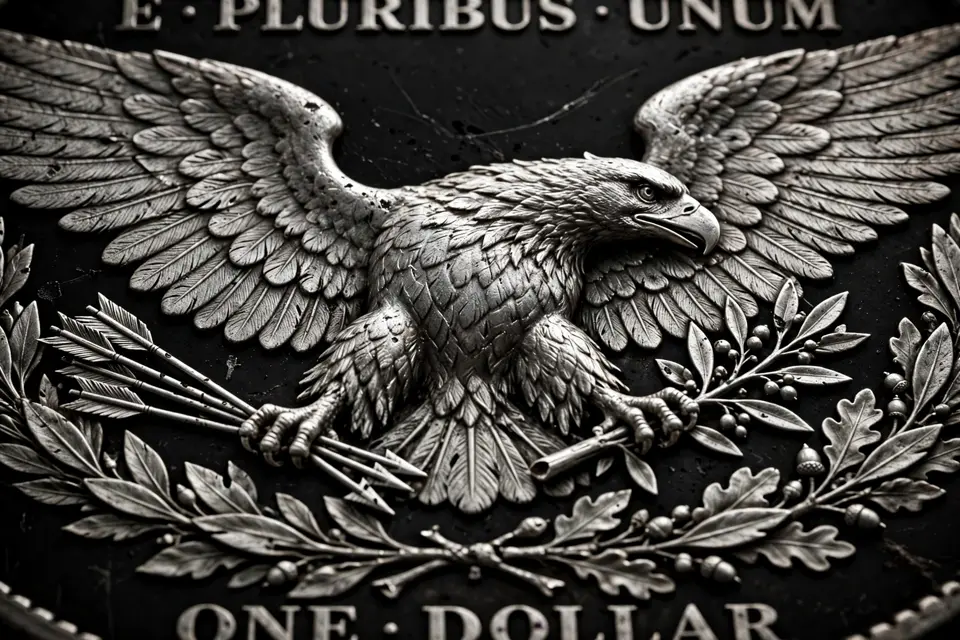
Start with the highest points of the design, because wear attacks high points first and leaves low points for last. On a Lincoln cent, check Lincoln's cheek and jaw, the curls of his hair, and the wheat ears or shield lines on the reverse. On a Morgan dollar, check Liberty's cheek, the hair above her ear, and the eagle's breast feathers. On a Buffalo nickel, check the horn, the braid, and the tail. If those points are flat and smooth, the coin is Good or Very Good. If they show clear shape with light flattening, it is Fine or Very Fine. If only the very tips show friction and the fields still carry luster, it is Extremely Fine or About Uncirculated.
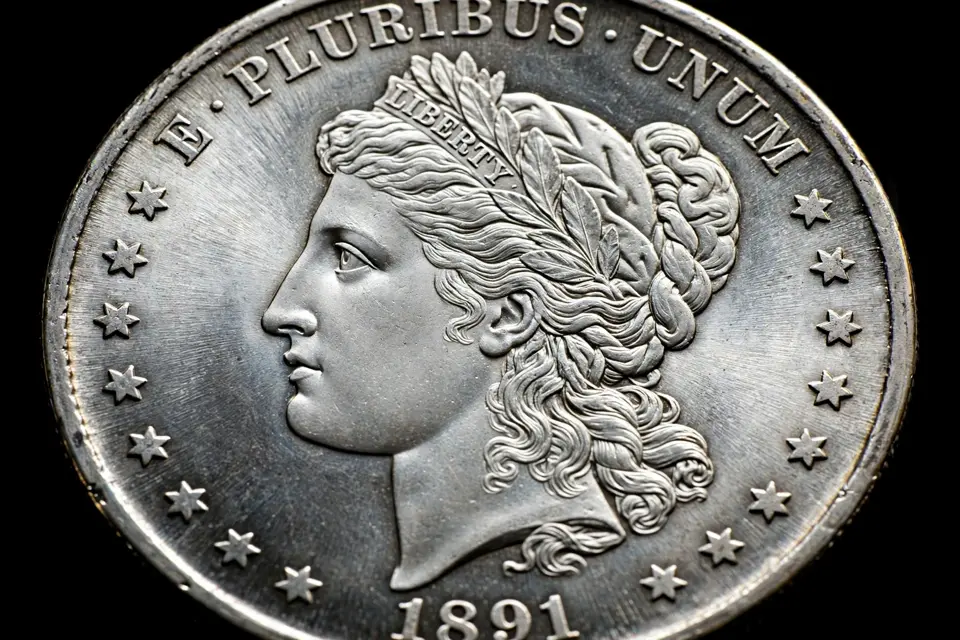
Three diagnostics separate the circulated grades. The LIBERTY test: on Seated, Barber, and Indian Head coins, three or more letters visible suggests Very Good, all seven readable suggests Fine or better. The rim test: a full rim with separated lettering points to Fine or better, lettering merging into the rim points to Good. The luster test: any original luster in the protected areas around the lettering rules out the lowest grades and pushes the coin toward Extremely Fine or About Uncirculated.
How to Grade Mint State Coins: MS-60 to MS-70
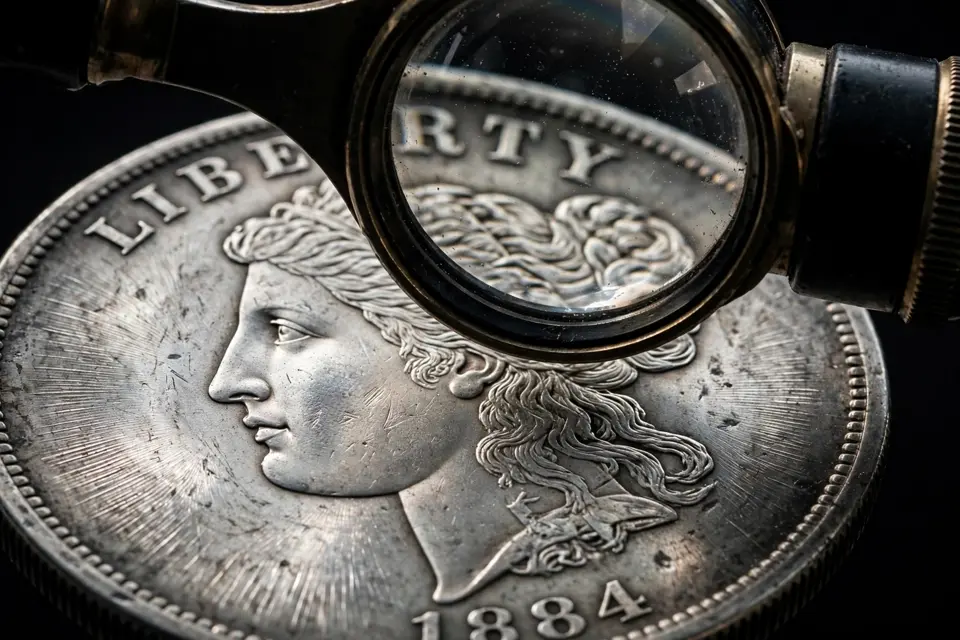
Mint State grading starts where wear stops. An MS-60 coin has no wear but may be covered in bag marks with dull luster. MS-63 shows fewer marks with decent luster. MS-65 — Gem — shows strong luster, a sharp strike, and only light, scattered marks. MS-67 and above demand near-perfect surfaces with outstanding eye appeal. MS-70 is a perfect coin under magnification, and it is genuinely rare outside modern proof and bullion issues.
How to Grade Old Coins at Home, Step by Step
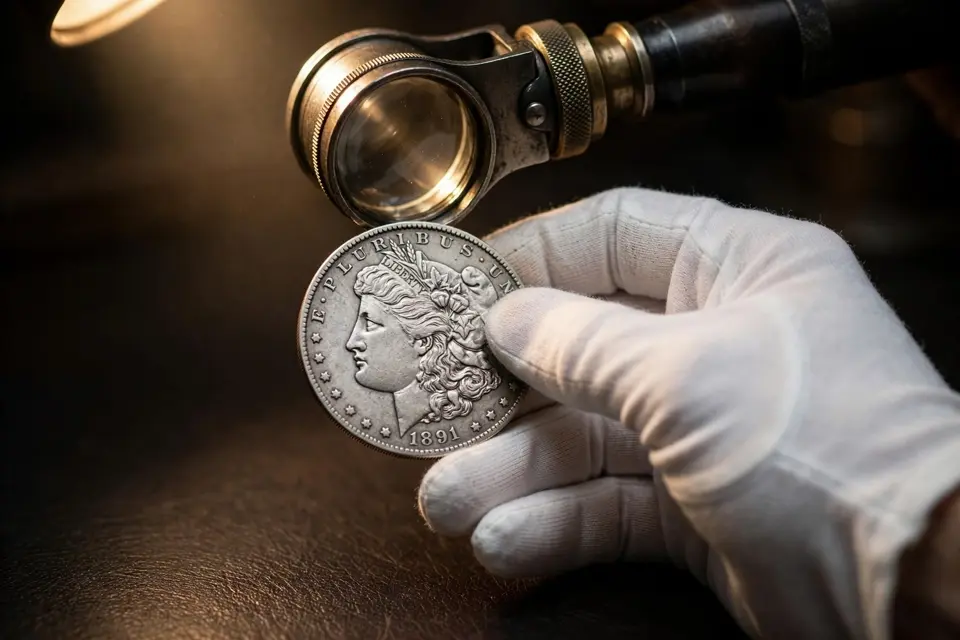
Work in this order. Handle the coin by its edges over a soft surface, examine it under one bright light while tilting it to read the luster, check the high points with a 10x loupe, scan the fields and rims for marks and rim dings, then compare it against a graded example of the same series — matching a reference photograph narrows the grade faster than any description.
| Series | Check These High Points First | Common Trap |
|---|---|---|
| Lincoln cent | Cheek, jaw, hair curls; reverse wheat ears or shield lines | Weak strike on the wheat ears looks like wear |
| Morgan dollar | Liberty's cheek, hair above the ear; eagle's breast feathers | Bag marks on the cheek are damage, not wear — they do not make a coin circulated |
| Buffalo nickel | Horn, braid knot, tail; mound on the reverse | The horn wears first, so a missing horn alone does not mean a low grade |
| Washington quarter | Cheek, hair, eagle's breast and leg feathers | Silver quarters tone dark; toning is not dirt and must never be cleaned off |
Grade vs Value: Why One Point Can Be Worth Thousands
Grade is not a label — it is the price. The 1877 Indian Head cent, the key date of its series, shows the curve in real 2026 auction results. A heavily circulated Good-4 Brown example sold for $528 in January 2026. An XF40 example brought $2,928 in October 2026. An AU53 example reached $4,148 the same week, an MS64 Brown reached $8,845, and an MS65+ Red-Brown with CAC approval sold for $29,280 in May 2026. Same date, same design, same mintage — a $528 coin and a $29,280 coin, separated only by condition.
| 1877 Indian Head Cent Grade | 2026 Auction Result | What the Grade Means |
|---|---|---|
| Good-4 Brown | $528 | Heavily worn, design outlined, date readable |
| XF40 | $2,928 | Light wear on high points, all detail sharp |
| AU53 | $4,148 | Traces of wear, most luster present |
| MS64 Brown | $8,845 | Uncirculated, moderate marks, fully brown surfaces |
| MS65+ Red-Brown, CAC | $29,280 | Gem uncirculated, strong eye appeal, premium approval |
The curve is steepest at the top: for common coins the jump from Good to Fine adds only a few dollars, but for key dates the jump from AU-58 to MS-63 can add thousands — which is why a confident home grade matters most before you buy or sell any coin over $100.
Details Grades: When a Coin Gets No Number
Some coins are graded "Genuine" with a details description instead of a number: cleaned, scratched, rim damage, environmental damage, altered surfaces, or bent. A details coin trades at a steep discount to a straight-graded coin. Cleaning is the most common and most avoidable cause — polishing, dipping, or scrubbing strips original surfaces and leaves hairlines graders spot instantly, and a cleaned coin almost never recovers its straight grade. Never clean a coin you might grade or sell.
When Is Professional Grading Worth It?
Submit a coin when its straight-graded value clears the submission cost by a comfortable margin — fees, shipping, and insurance typically run $30+ per coin at economy tiers, more for fast or high-value tiers. A $20 coin is never worth submitting; a $200 coin with an uncertain AU-versus-MS call usually is, because the grade decides hundreds of dollars. Submit when authenticity is in doubt, when a variety needs attribution, or when you plan to sell to a buyer who pays only for a sealed, certified coin.
Frequently Asked Questions
What is coin grading?
Coin grading rates a coin's condition on the standardized 1–70 Sheldon scale so collectors share a common language. After rarity, condition is the biggest driver of a coin's value — a high-grade example of a scarce date can sell for fifty times its worn counterpart.
What does the Sheldon scale measure?
U.S. coins are graded from 1 (barely identifiable) to 70 (flawless). Grades below 60 are circulated and show wear; grades 60 to 70 are Mint State with no wear, judged on marks, luster, strike, and eye appeal. Proof coins use the same numbers with a PF or PR prefix.
What does MS65 mean?
MS65, or Gem Mint State, means an uncirculated coin with strong luster, a sharp strike, and only light, scattered marks. It is the grade where most collector premiums begin in earnest — an MS65 coin commonly sells for several times its MS63 counterpart.
How do I grade my old coins at home?
Handle the coin by its edges, examine it under one bright light, and check the series high points — cheek and hair on portraits, breast feathers on eagles — with a 10x loupe. Compare your coin to graded reference photographs of the same series.
Should I clean my coins before grading?
No. Cleaning strips original surfaces, leaves hairlines, and earns a Details grade that sharply cuts value. A cleaned coin almost never regains a straight numeric grade. Leave toning and dirt alone, and store coins in inert holders instead.
How much does professional coin grading cost, and is it worth it?
Economy-tier submission typically runs $30+ per coin including shipping and insurance. It is worth it when the certified value clears that cost by a comfortable margin, when authenticity or variety attribution is in doubt, or when you plan to sell to buyers who pay only for sealed, certified coins.
Grade is the difference between pocket change and a four-figure coin — and you can now call it yourself. Before you spend money on certification, run your coin through The Diggin Dave's free Grade-or-Not tool for a step-by-step wear, luster, and surface check, confirm its date and mint mark with the Coin Value Checker, and use the Error Identifier if doubled lettering or a missing detail suggests a variety — varieties only sell at full value once the grade and the variety are both right.
Related Reading
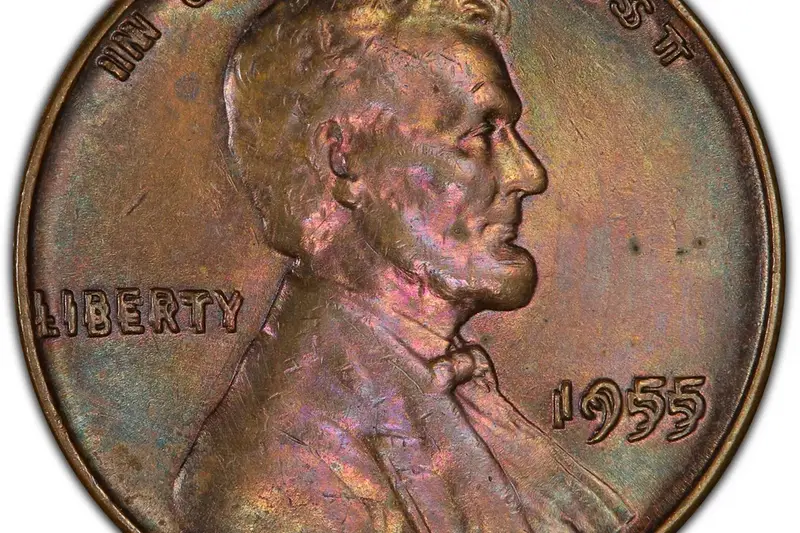
- 1955 Doubled Die Penny Value: Famous Error Worth $2,000+ — grade decides this error's price more than any other factor, from worn examples to Mint State gems
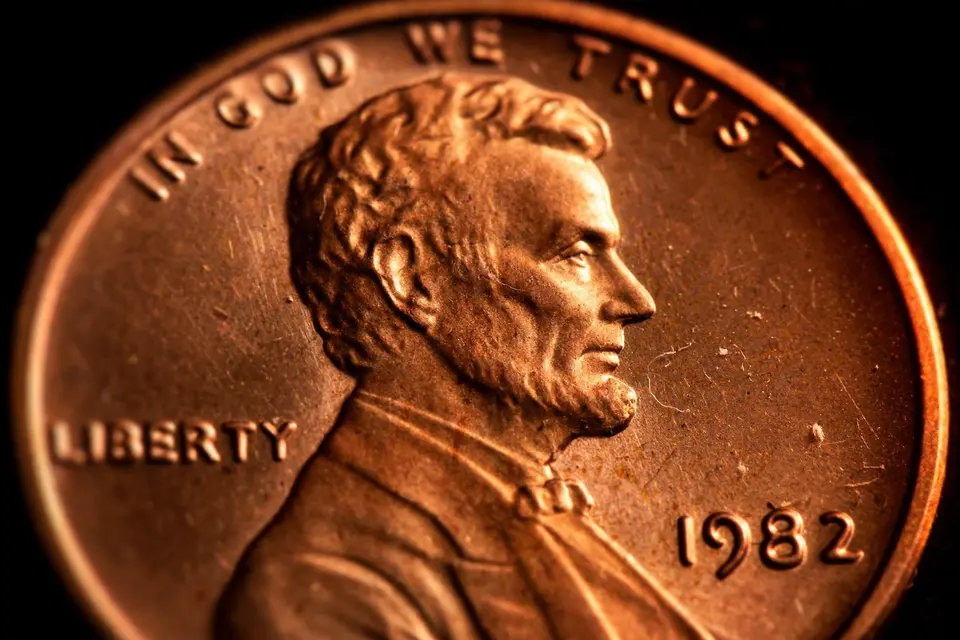
- 1982 Penny Value: How Much Is a 1982 Penny Worth? — where grade and red-brown color designations set the price on all seven varieties
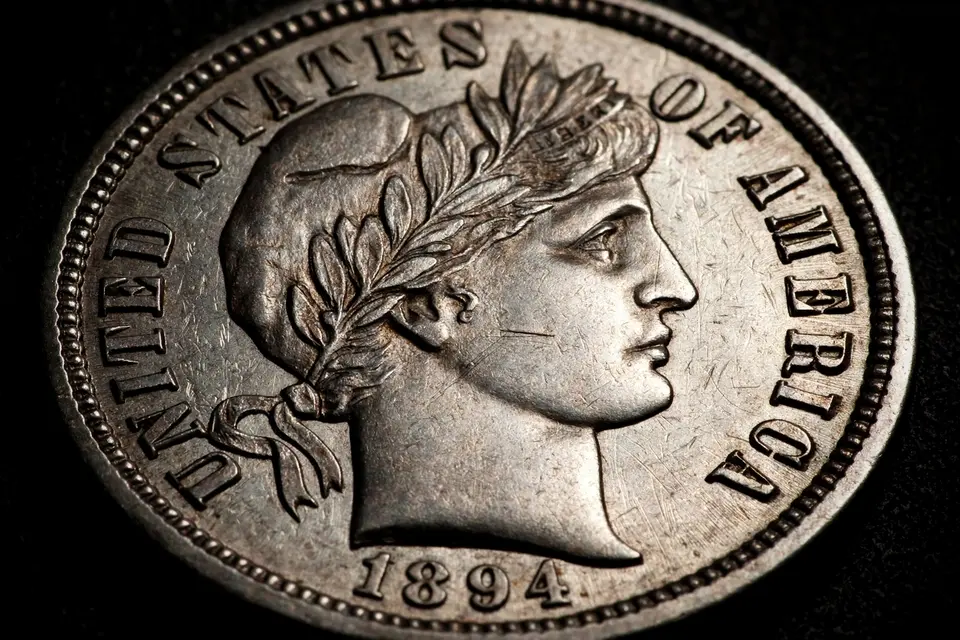
- 1894-S Dime Value: Why the 24-Piece Barber Rarity Is Worth $1,250,000+ — a grade-by-grade auction record, from the $1,250,500 PR63 to the finest known