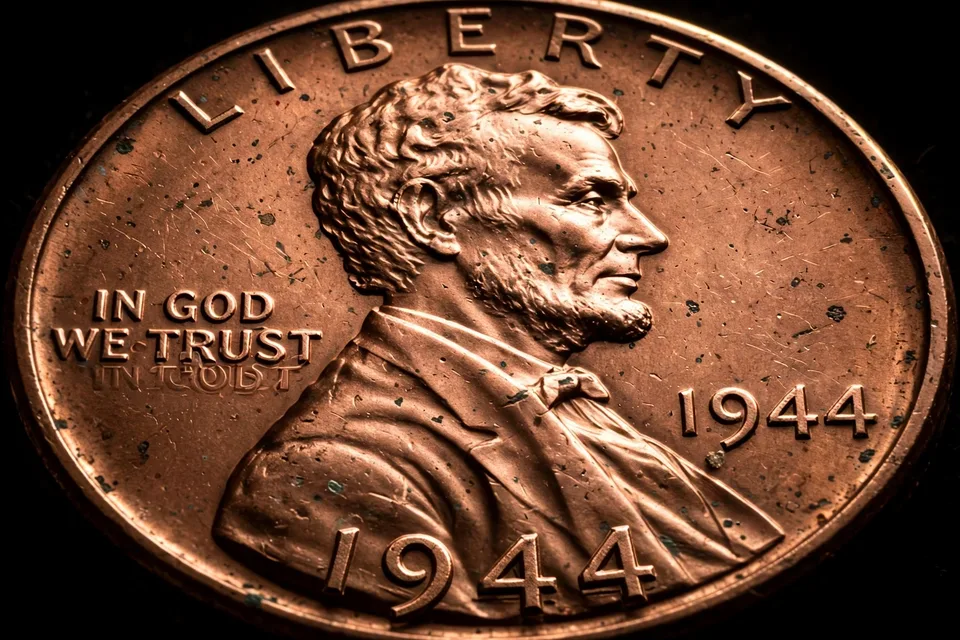
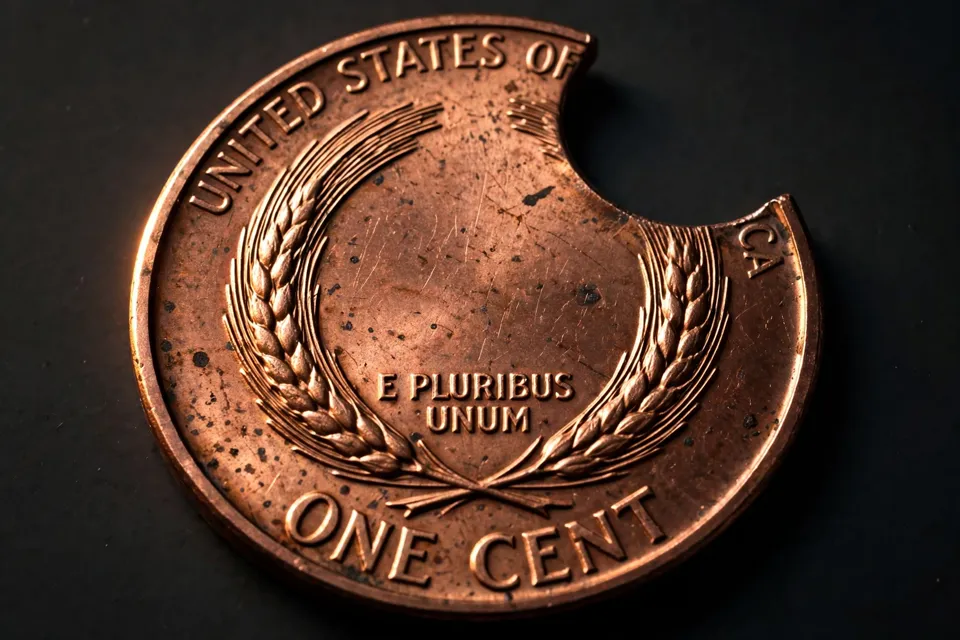
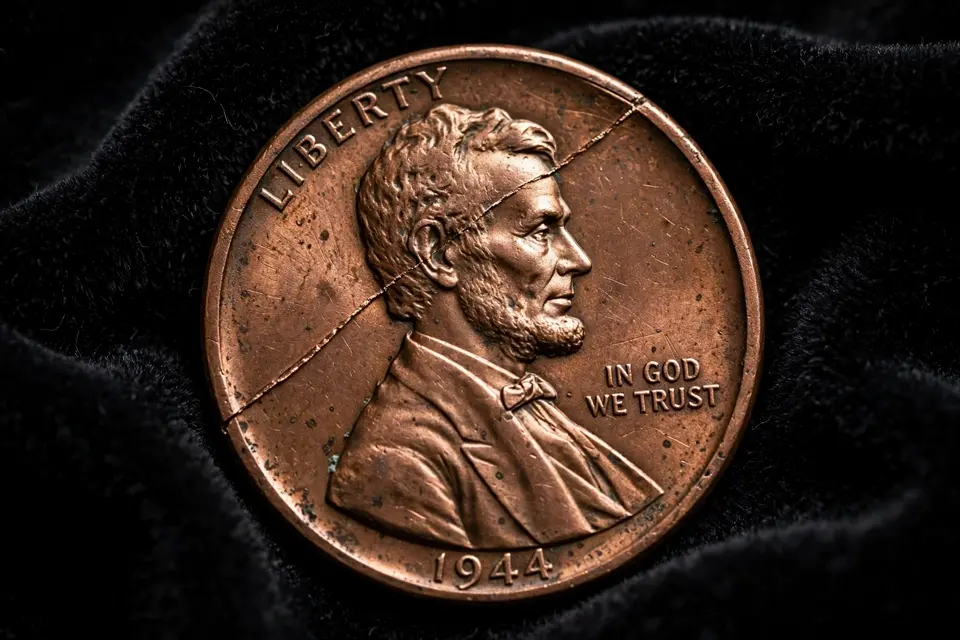
How to Identify a Broadstrike Coin: Oversized, Full Design & Real Values
Coin errors · 9 min read · Published October 31, 2026 · Updated October 31, 2026
A broadstrike coin is a coin that was struck outside the collar, the steel ring that normally holds the blank at its correct diameter while the dies close. If your coin is wider than it should be, shows its full design on both faces, and has a weak or plain edge where reeding should be, you are almost certainly holding a broadstrike. Values run $8+ for a common modern zinc cent to $60,000+ for a gold broadstrike, and the diameter test below proves one in seconds.
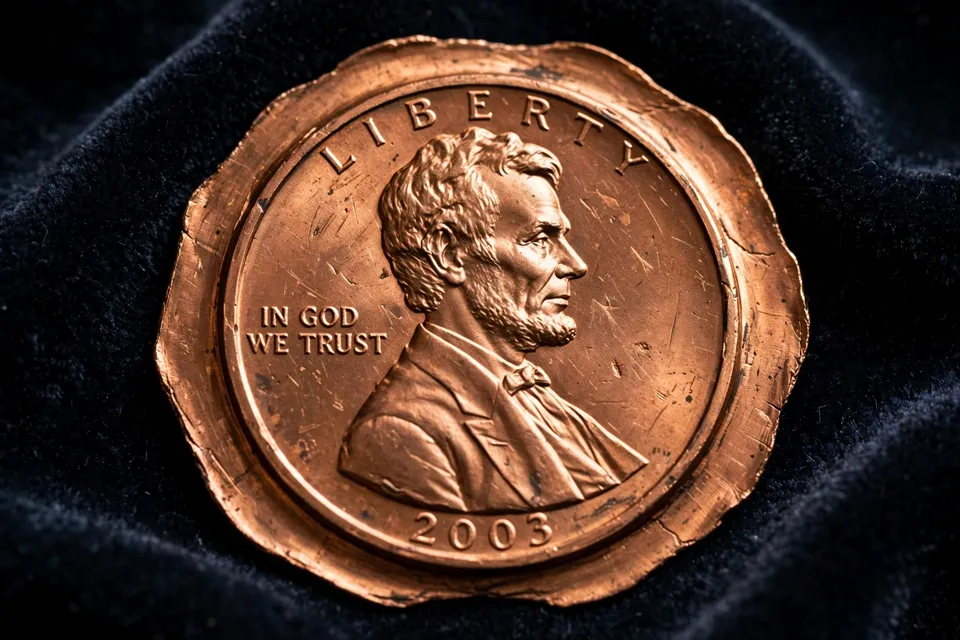
What a Broadstrike Is — and What Causes It
Every coin is struck by three tools, not two. The obverse die stamps the front, the reverse die stamps the back, and the collar, a precision steel ring often called the third die, surrounds the blank during the strike. The collar holds the planchet at its exact diameter, forms the raised rim, and presses reeding into the edge.
A broadstrike happens when that collar fails. Sometimes it never rises into position, so the planchet sits on the lower die with nothing holding its sides. Sometimes the planchet lands on top of the collar ring instead of inside it. Sometimes the collar retracts a fraction too early, and the coin spreads in the final moment of the strike. In every case the dies close on an unconstrained blank, and the metal flows outward past its normal diameter.
Because the metal spreads sideways instead of being contained, a broadstruck coin is wider than normal and slightly thinner than a normal coin of the same denomination. Its weight stays normal, because no metal is added or removed. That combination, larger diameter with normal weight, is the signature of the error.
The 5-Step Broadstrike Identification Checklist
Work through these five checks in order. A genuine broadstrike passes all five. If your coin fails one, read the lookalikes section first.
First, measure the diameter. This is the deciding test. Place the coin in digital calipers and compare the reading with the standard diameter for its denomination. A broadstruck coin measures clearly larger, often by 1 to 4 millimeters on a cent or nickel. A normal coin never measures large, so a coin oversized by a full millimeter has already told you most of what you need to know.
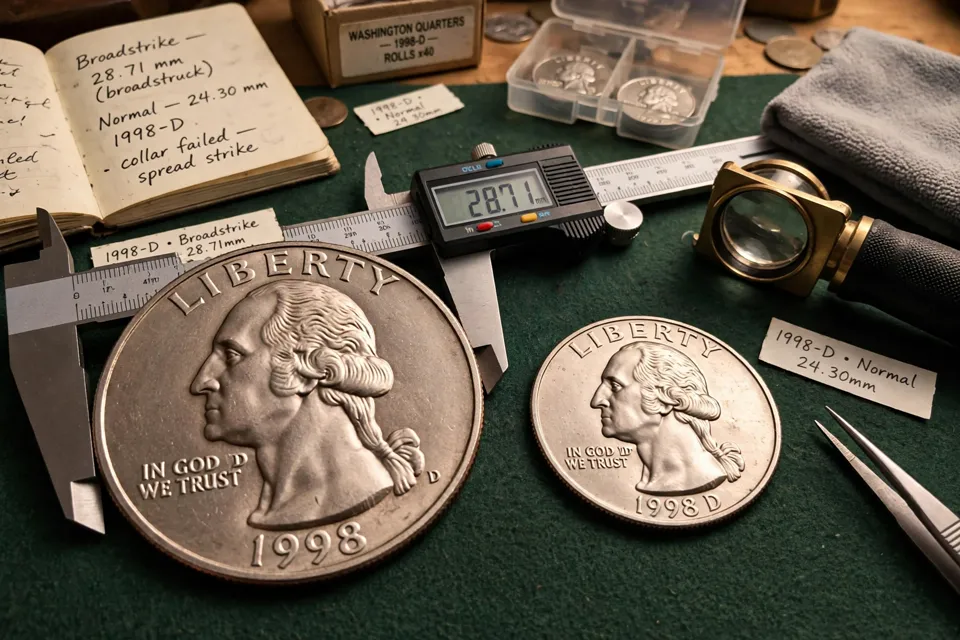
Second, check that the full design is present on both faces. A broadstrike is struck by fully aligned dies, so the portrait, lettering, date, and reverse design all appear complete. This separates a broadstrike from an off-center strike, where part of the design is missing.
Third, read the rim and the edge. Without a collar there is no proper rim, so the edge of a broadstrike is weak, wavy, uneven, or missing entirely, and the coin often looks slightly out of round. On a denomination that should be reeded, the reeding will be missing or only faintly present.
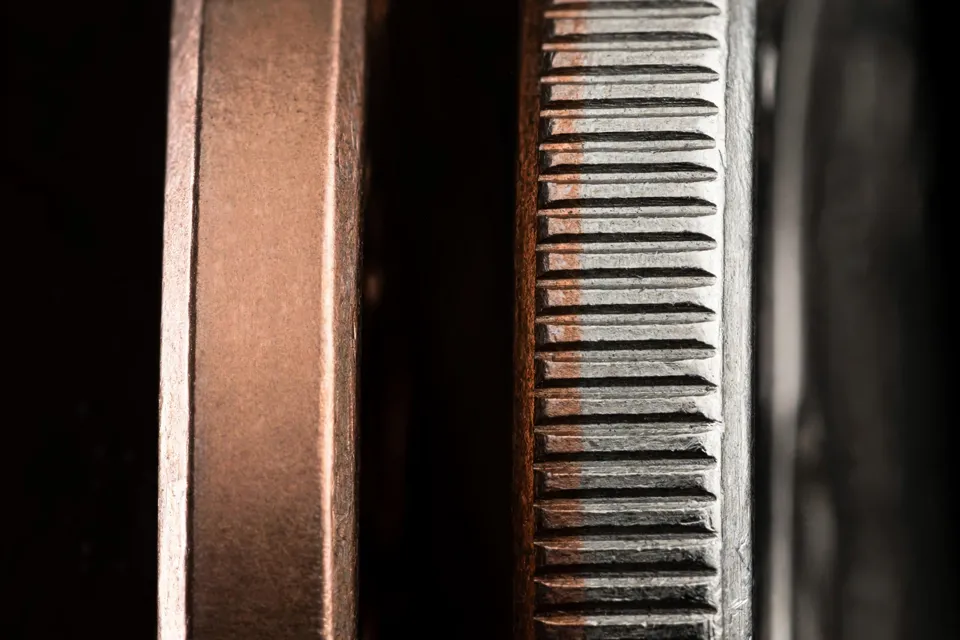
Fourth, weigh the coin. A broadstrike weighs the same as a normal coin of its type, because the same blank was struck, just without restraint. A coin that is both oversized and underweight was probably struck on the wrong planchet or has lost metal. Weighing takes ten seconds.
Fifth, compare it side by side with a normal coin of the same date and denomination. The difference is usually visible to the naked eye: the broadstruck coin is wider, its rim is flatter, and its design looks slightly stretched toward the edges. Side-by-side comparison also catches convincing fakes, because a hammered or spooned coin looks lumpy next to a genuine struck example.
| Denomination | Normal diameter | Normal weight | What a broadstrike shows |
|---|---|---|---|
| Cent | 19.05 mm | 2.50 g (zinc) / 3.11 g (bronze) | Diameter over 19.05 mm, full design, thin spread rim |
| Nickel | 21.21 mm | 5.00 g | Diameter over 21.21 mm, full design, plain edge |
| Dime | 17.91 mm | 2.27 g | Diameter over 17.91 mm, full design, reeding missing |
| Quarter | 24.26 mm | 5.67 g | Diameter over 24.26 mm, full design, reeding missing |
| Half dollar | 30.61 mm | 11.34 g | Diameter over 30.61 mm, full design, reeding missing |
| Dollar | 26.49 mm | 8.10 g | Diameter over 26.49 mm, full design, edge lettering weak or missing |
A 10x jeweler's loupe helps with the rim and edge checks, and a digital caliper settles the diameter question outright. Both tools cost less than a single certified error coin.
Centered, Uncentered, and Partial Broadstrikes
Not every broadstrike looks the same, and the differences matter for value. A centered broadstrike is the classic form: the planchet was centered between the dies but outside the collar, so the design is complete and centered while the metal spread evenly in all directions. The coin is larger than normal, with a weak rim throughout.
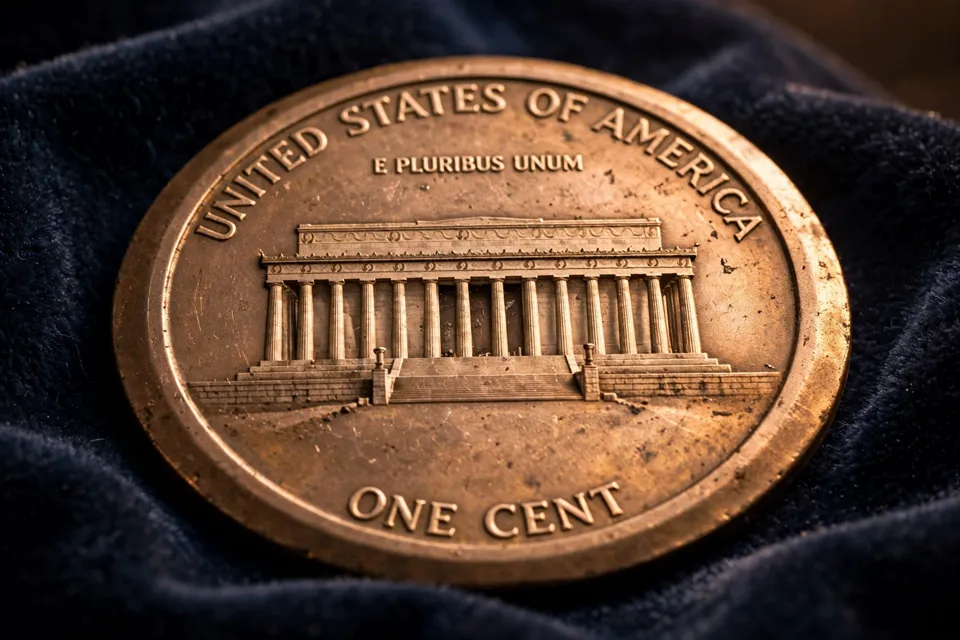
An uncentered broadstrike is struck both outside the collar and slightly off center. The full design is still present, which keeps it a broadstrike rather than an off-center strike, but the spread is uneven, so one side flares out much further than the other. Collectors usually pay more for uncentered examples, because the error is more obvious and harder to confuse with damage.
A partial broadstrike happens when the collar engages on one side of the planchet but not the other. Half the coin looks normal, while the other half spreads past the normal edge. A related cousin is the partial collar strike, nicknamed a railroad rim, where the collar caught the planchet partway and left a tall, sharp fin.
Broadstrike vs Off-Center vs Partial Collar vs Flattened Coin
Most broadstrike misidentifications come from confusing it with three lookalikes. The rule is simple: a broadstrike keeps its full design, an off-center strike loses part of it, and a flattened coin was never an error at all.
| Coin in hand | Full design present? | Diameter | Edge | Verdict |
|---|---|---|---|---|
| Broadstrike | Yes, both faces | Larger than normal | Weak, wavy, or plain; reeding missing | Genuine striking error |
| Off-center strike | No, part cut off | Normal | Normal where struck, blank crescent where missed | Genuine striking error, different type |
| Partial collar strike | Yes | Normal on one side, spread on the other | Tall fin or railroad rim on part of the edge | Genuine striking error, collar cousin |
| Railroad-track or hammer-flattened coin | Stretched and smeared, not cleanly struck | Larger, but irregular | Irregular all around, design distorted | Post-mint damage, no premium |
A coin run over by a train or flattened in a vise gets wider, which fools many beginners, but its design is smeared and stretched, not crisply struck, and its edge is irregular all the way around rather than cleanly spread. A genuine broadstrike always shows sharp design details, because the dies struck it normally. If the portrait looks smeared, the coin was damaged after minting.
Broadstrike Coin Values
Broadstrike values depend on four things: how dramatic the spread is, whether the coin is centered or uncentered, what it is made of, and its condition. Common modern broadstrikes are affordable entry points, while classic silver and gold broadstrikes command four and five figures.
| Broadstrike type | Typical collector value |
|---|---|
| Modern zinc cent, minor spread, circulated | $8+ |
| Modern cent or nickel, dramatic spread, mint state | $50+ |
| Certified mint-state broadstruck cent, strong example | $100+ |
| Modern clad quarter or half dollar, mint state | $50+ |
| Classic silver quarter or half dollar, uncentered, high grade | $1,000+ |
| Gold broadstrike, any denomination | $10,000+ |
The record end of the market shows how far this error can go. A 1904 Liberty double eagle broadstruck out of collar, graded MS-64, realized $60,000 at Heritage in August 2024, and a 1906-D Liberty double eagle, graded AU-58, is one of only two broadstruck double eagles known across the $20 gold series struck from 1850 to 1933. At the common end, the 2023 Red Book lists a copper-coated zinc cent broadstrike at a retail value of $8.
Fakes and Lookalikes to Reject
Broadstrikes are faked less often than doubled dies or rare dates, because the error itself is cheap on common coins, but two fakes still circulate. The first is the spooned coin, where someone taps the edge of a normal coin with a spoon for hours until it spreads wider. A spooned coin is wider, but its rim is rolled and lumpy, without the thin, even spread of a struck broadstrike. The second is the vise job, where a coin is squeezed until it spreads, leaving flat, crushed surfaces and distorted lettering.
Two more rejections matter. A coin with a smooth edge is not automatically a broadstrike: heavy wear can leave a plain edge, but wear never makes a coin wider, so check the diameter first. And a coin that is oversized and underweight is not a broadstrike either; it is more likely a wrong-planchet strike, and it needs the weight and diameter tests from the wrong-planchet guide before any verdict.
Should You Get a Broadstrike Certified?
Certification makes sense when the coin's value comfortably exceeds the cost of grading, which for most broadstrikes means $75+ or more. A minor modern cent broadstrike worth $8+ should stay in a 2x2 flip, because grading would cost several times what the coin is worth. A dramatic mint-state broadstrike, any silver broadstrike, and every gold broadstrike should be certified, because authentication removes all doubt about spooning or vise damage and certified errors sell for more.
When you submit, ask for the error designation on the label. A certified broadstrike should read as broadstruck, and an uncentered example should say so, because that wording is what future buyers search for. Photograph the coin's edge before sending it.
What to Do If You Find One
If a coin in your change looks too big for its denomination, stop and run the five checks before spending it. Measure it with a digital caliper, confirm the full design on both faces, read the edge for missing reeding, weigh it, and compare it with a normal coin. Handle it by the edges only, drop it into a 2x2 coin flip, and never clean it.
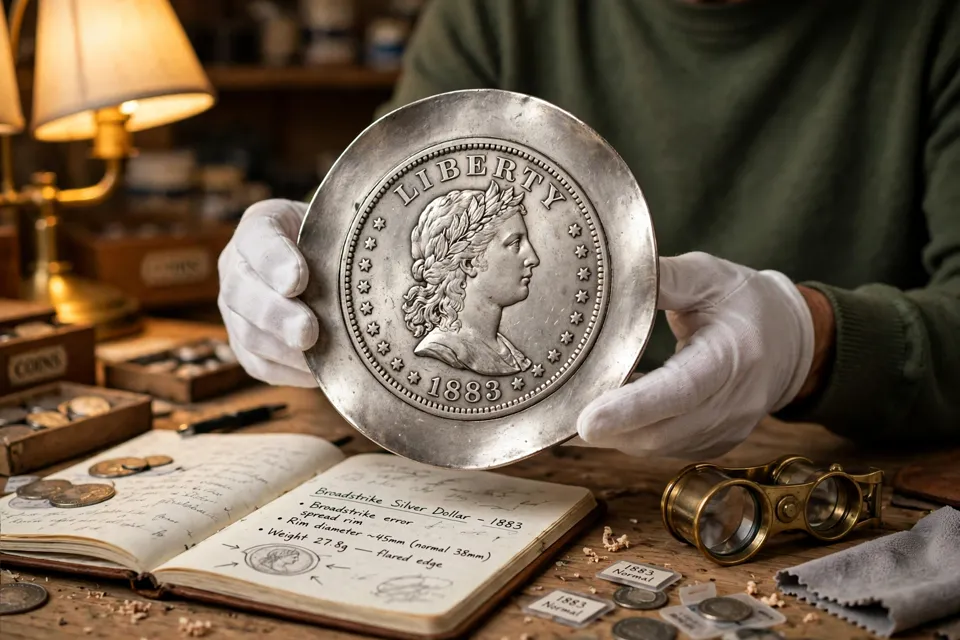
Broadstrikes reward the collector who measures first and guesses never. A coin that is wider than normal, fully designed, and plain-edged has passed the three hardest tests. Check every oversized coin you find, because the next one could be a $50+ mint-state example or a $1,000+ silver uncentered broadstrike.
As an Amazon Associate, this site may earn from qualifying purchases.
Frequently Asked Questions
How can I tell if my coin is a broadstrike?
Measure it first. A broadstrike is wider than the standard diameter for its denomination, shows its full design on both faces, and has a weak, wavy, or missing rim with no reeding where reeding belongs. If the coin is oversized, fully designed, and normal in weight, it passes the three deciding tests.
What is the difference between a broadstrike and an off-center coin?
A broadstrike keeps its full design on both faces because the dies were aligned and only the collar failed. An off-center coin loses part of its design because the planchet was misaligned, leaving a blank crescent where the dies never reached. Full design means broadstrike, missing design means off-center.
Are broadstrike coins valuable?
Most modern broadstrikes are modestly valuable, starting around $8+ for a common zinc cent and reaching $50+ to $100+ for dramatic mint-state examples. Classic silver broadstrikes run $1,000+ in high grade, and gold broadstrikes are major rarities, with a 1904 double eagle broadstrike realizing $60,000.
Why does a broadstruck coin have no reeding?
Reeding is pressed into the edge by the collar, not by the obverse or reverse dies. When the collar fails to engage, nothing forms the reeding, so a broadstruck dime, quarter, half dollar, or dollar comes out with a smooth, plain edge. Missing reeding on a fully struck, oversized coin is strong evidence of a broadstrike.
Can a broadstrike be faked?
Yes, by spooning or squeezing a normal coin until it spreads wider, but fakes fail the detail tests. A spooned or vise-flattened coin has smeared details and a lumpy, irregular edge, while a genuine broadstrike shows crisp die detail with a thin, even spread. Certification settles any coin worth $75+ where doubt remains.
Should I get my broadstrike coin graded?
Grade it when its value comfortably exceeds the grading cost, generally $75+ and up. Minor modern broadstrikes worth $8+ to $50+ are better kept in a 2x2 flip, while dramatic mint-state examples, all silver broadstrikes, and every gold broadstrike benefit from certification.
A broadstrike costs nothing to check, and the difference between a $60,000+ gold error and a face-value coin is one measurement with a caliper. Before you spend or sell any coin you are unsure about, run it through The Diggin Dave's free Error Identifier to confirm the error type, use the Coin Value Checker to confirm its value range, and try Grade-or-Not for a grade verdict on your best examples.
Related Reading
- How to Identify a Doubled Die Coin: Real Doubling vs Machine Doubling — the raised-vs-flat test that separates true doubling from machine doubling
- How to Identify a Clipped Planchet Coin: Real Clips, Fake Cuts & Values — the Blakesley effect test for clipped blanks
- How to Identify a Die Crack Coin: Raised Lines, Cuds & Real Values — the raised-line test that separates genuine die cracks from scratches, plus cud values