How to Identify a Doubled Die Coin: Real Doubling vs Machine Doubling
Coin Error Guides · 9 min read · Published October 25, 2026
A doubled die coin shows raised, rounded doubling on the same design elements — the date, the motto, or the lettering — caused by a misaligned hub when the die itself was made. If the doubling looks flat and shelf-like, or the mint mark is doubled too, it is almost certainly machine doubling, worth face value. Three checks settle it: the doubling is raised with clear separation, the letter serifs split, and the mint mark is normal.
What Is a Doubled Die?
A coin die is the hardened steel stamp that strikes the design onto a blank planchet. Dies are made by pressing a master hub — a positive model of the design — into the die blank, sometimes more than once. When the second hub impression lands even slightly out of alignment with the first, the finished die carries a doubled image, and every coin struck from that die shows the exact same doubling, in the exact same places. That is a doubled die: a variety created in the die shop, not an accident of striking.
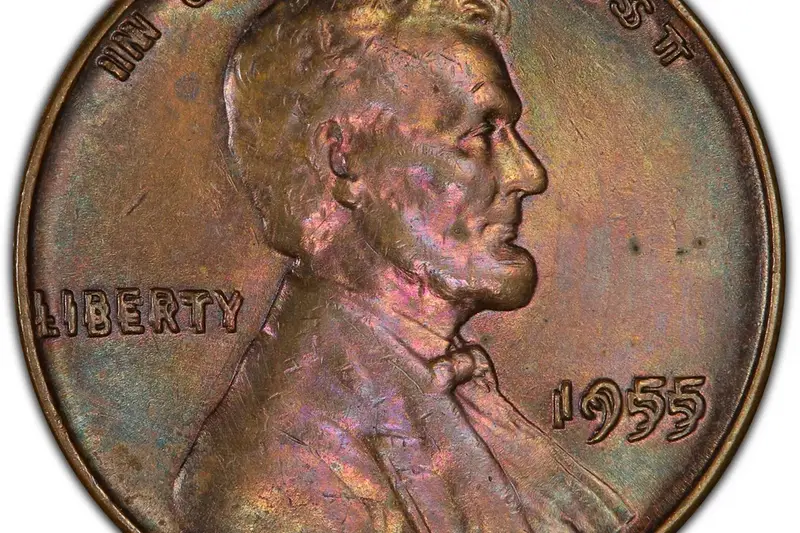
Collectors label the error by the side it affects. A doubled die obverse is a DDO; a doubled die reverse is a DDR. The famous 1955 Lincoln cent is a doubled die obverse, while the 1983 Lincoln cent has a prized doubled die reverse. For identification you only need the visual signature: raised, rounded, separated doubling that repeats identically on every example.
Do not confuse a doubled die with a double-struck coin, which was fed through the press twice so whole parts of the design overlap like a double-exposed photograph. A doubled die shows a crisp second image only on the raised design elements.
Doubled Die vs Machine Doubling: The One Test That Matters
Machine doubling — also called strike doubling or shelf doubling — is the single biggest trap in error collecting. It happens when a loose or bouncing die shifts a fraction of a millimeter at the moment of strike, smearing the edge of the design. It can happen to any coin, in any year, and it adds no collector value.
| Feature | True Doubled Die | Machine Doubling |
|---|---|---|
| Relief | Raised and rounded, the same height as the design | Flat, shelf-like, cut into the design edge |
| Separation | Clear gap between the two images | No gap — a smeared step with no second image |
| Serifs | Split serifs and notching on letters | Serifs flattened or sheared off |
| Mint mark | Normal, never doubled | Often doubled along with everything else |
| Consistency | Identical on every coin from that die | Random — varies coin to coin, even on the same roll |
| Collector value | From $50+ to $2,000+ | Face value |
When in doubt, remember: a true doubled die looks like the design was stamped twice in relief. Machine doubling looks like the design was stamped once and then shoved. If the second image has no height of its own, walk away.
How to Identify a Doubled Die Coin, Step by Step
Work in this order, and never clean the coin — cleaning destroys the surface and the value in one motion.
Step 1: Start With the Date and the Motto
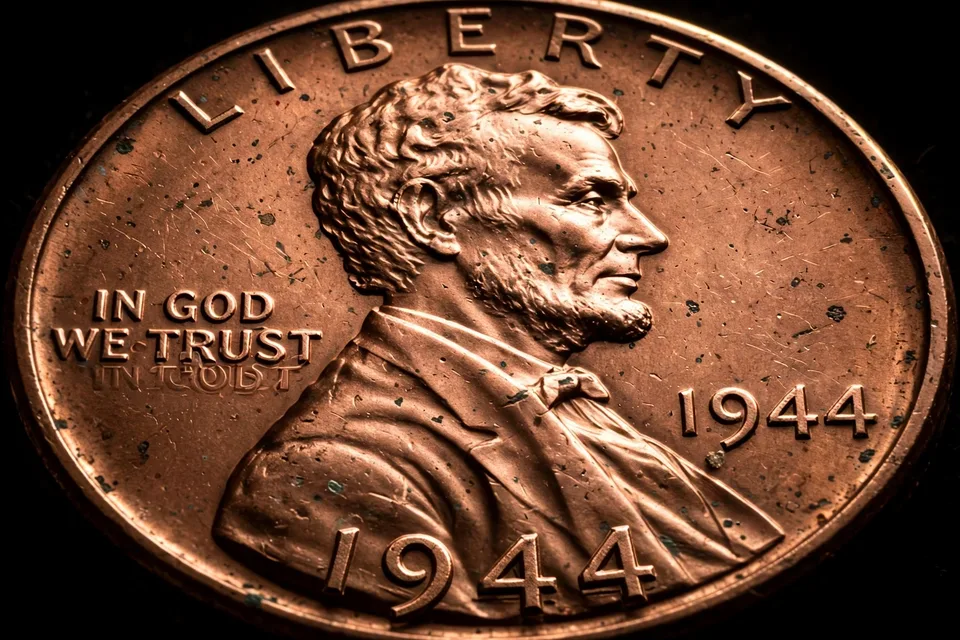
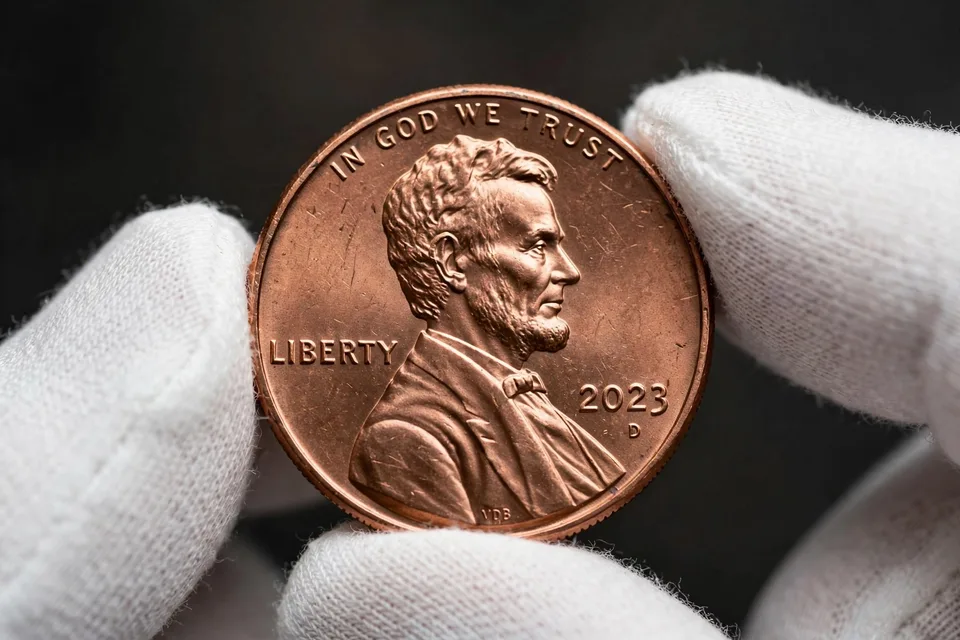
On Lincoln cents, doubling shows first in the date and in IN GOD WE TRUST. On Washington quarters and Roosevelt dimes, check the motto and LIBERTY. These are the highest-relief lettering on the coin, so a shifted hub registers there first.
Step 2: Use a 10x Loupe and Angled Light
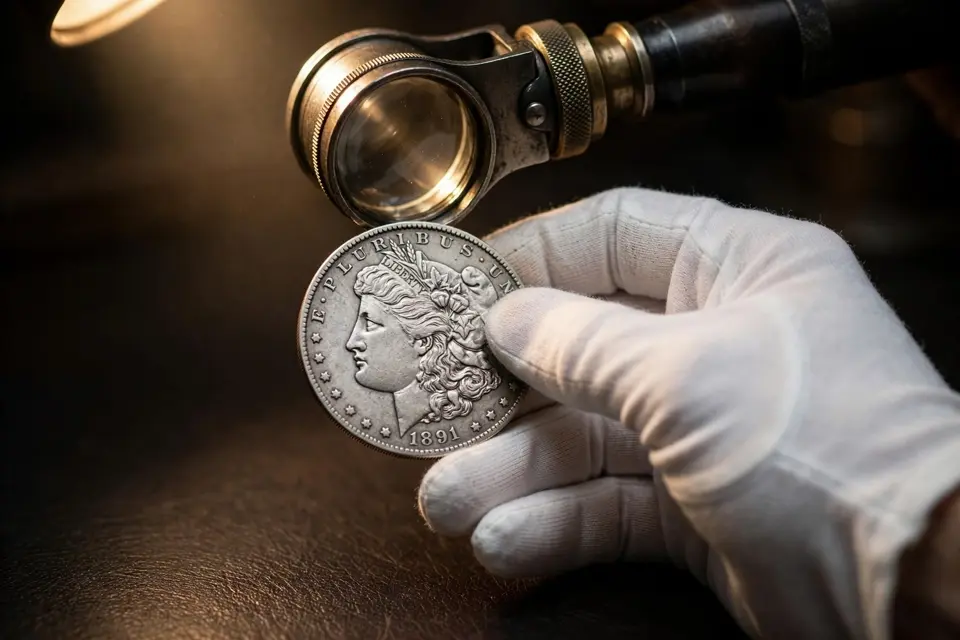
Hold the coin under a single light source and tilt it slowly. A 10x jewellers loupe is enough for strong varieties like the 1955 doubled die; minor varieties may need a low-power USB microscope.
Step 3: The Raised-and-Rounded Test
Look at the edge of the doubled element. On a genuine doubled die, both images are raised and rounded, with the same smooth profile as the rest of the design. Machine doubling is flat: a shelf cut into the side of the letter, with a sharp step down to the field.
Step 4: The Split-Serif and Notching Test
Zoom into the ends of the letters. True doubling splits the serifs — the small feet at the ends of letters like T, E, and Y — into two distinct tips. Machine doubling never splits a serif; it shears one off.
Step 5: The Mint Mark Test
Until the early 1990s, mint marks were punched into each working die by hand, after the hubbing was finished. A doubled die therefore cannot show a doubled mint mark — the mint mark was never on the hub. If the D or S next to the date is doubled, you are looking at machine doubling or a repunched mint mark, not a doubled die.
Step 6: Match It to a Known Variety
Every recognised doubled die carries an FS number in the Fivaz-Stanton catalogue — 1955 FS-101, 1972 FS-101, 1995 FS-101 are the famous Lincoln cent examples. Compare your coin, element by element, against certified photographs of that variety. The doubling must match in position, direction, and strength.
Where Doubling Hides: The Obverse and Reverse Checklist
Run this checklist on both sides before you decide.
- Obverse: date digits, IN GOD WE TRUST, LIBERTY, and portrait details like the ear and hairline on Lincoln cents.
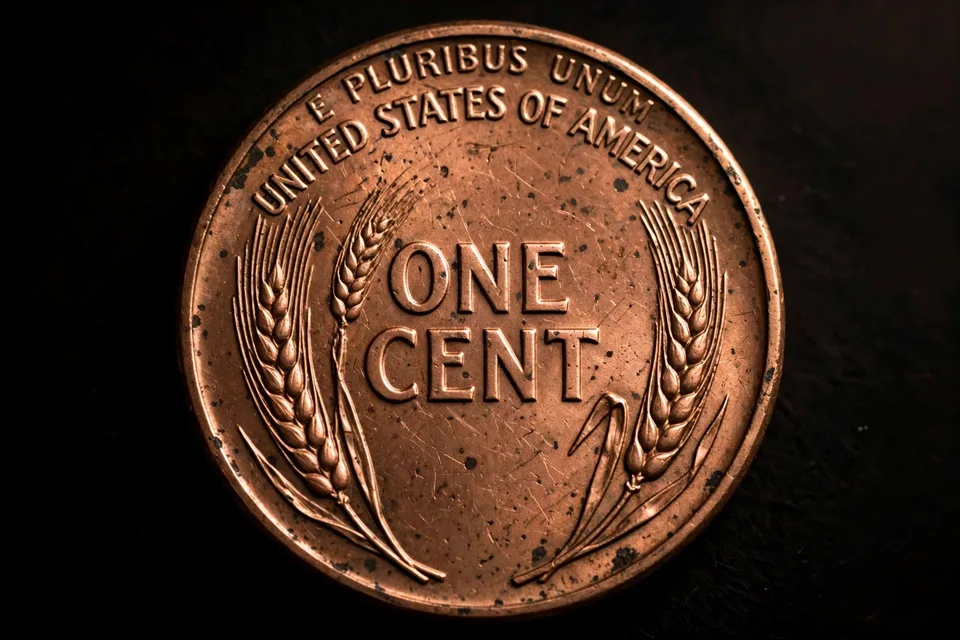
- Reverse: the denomination, E PLURIBUS UNUM, and wreath lettering — the 1983 DDR shows doubling in ONE CENT and the wheat ears.
- Proof coins: doubling on proofs is subtler and the field is mirrored, so tilt the coin further and check the motto first.
- Worn coins: circulation rubs the highest points first, so check inside the letters and near the rim, where doubling survives longest.
Famous Doubled Die Coins Worth Hunting
These are the varieties collectors actually find and pay for.
| Variety | Doubling Strength | Why It Matters |
|---|---|---|
| 1955 Doubled Die Obverse (FS-101) | Extreme — visible without a loupe | Most famous American error; ~20,000 reached circulation |
| 1972 Doubled Die Obverse (FS-101) | Strong — bold date and motto doubling | A realistic roll-hunting find, still turning up in change |
| 1969-S Doubled Die Obverse (FS-101) | Extreme — dramatic full-obverse doubling | One of the rarest modern varieties; five-figure prices |
| 1995 Doubled Die Obverse (FS-101) | Moderate — clear in LIBERTY and the motto | The best beginner variety: common enough to find, real enough to sell |
The 1955 doubled die remains the benchmark because its doubling is so strong a beginner can spot it across a room. The 1995 doubled die is the smarter everyday hunt: still found in circulation, with certified Mint State examples from $85+ upward and a top MS69 Red example reaching $1,440 at auction in April 2023. The 1969-S is the cautionary tale — so valuable that altered and counterfeit examples circulate, so never buy one raw.
What Is a Doubled Die Coin Worth?
Value follows three things: which variety it is, how strong the doubling is, and the grade.
| Variety | Circulated | Certified Mint State |
|---|---|---|
| 1955 Doubled Die Obverse | $2,000+ | Five figures and beyond |
| 1972 Doubled Die Obverse | $150+ | $300+ |
| 1969-S Doubled Die Obverse | $10,000+ | Five figures and beyond |
| 1995 Doubled Die Obverse | $20+ | $85+ (MS66 Red); $1,440 top MS69 Red |
Grade decides the final number more than any other factor on high-end varieties. If you believe you have a major variety, read our guide to grading a coin before you price it, and get attribution from PCGS or NGC before you sell: an unattributed coin sells as a curiosity, while the same coin in a holder labelled FS-101 sells as a variety.
Mistakes That Cost Collectors Money
- Paying a premium for machine doubling. Sellers list flat, shelf-like doubling as a doubled die every day. Run the raised-and-rounded test before you pay anything.
- Cleaning a find. A cleaned doubled die loses its original surface and much of its value. Never polish, dip, or scrub a suspected variety.
- Assuming every doubled-looking coin is valuable. Most doubling in circulation is machine doubling. A genuine variety must match a known FS number in position and strength.
- Buying a rare variety raw. The 1969-S doubled die is heavily counterfeited. For any variety worth four figures or more, buy certified or not at all.
- Ignoring the reverse. Collectors check the obverse and stop. Doubled die reverses like the 1983 DDR are missed every week by hunters who never flip the coin.
Found doubling and want to know if it is real? Run your coin through The Diggin Dave's free Error Identifier tool, confirm its date and mint mark with the Coin Value Checker, and use Grade-or-Not to estimate the grade that sets its price.
Frequently Asked Questions
How can you tell if a coin is a doubled die?
Look for raised, rounded doubling with clear separation between the two images, split serifs on the letters, and a normal mint mark. Flat, shelf-like doubling is machine doubling, worth face value.
What is the difference between a doubled die and machine doubling?
A doubled die is a variety in the die itself, created when the hub struck the die twice out of alignment, so every coin from that die shows identical doubling. Machine doubling happens during striking when the die shifts, smearing the design flat, and it carries no premium.
What does DDO stand for in coin collecting?
DDO stands for doubled die obverse — doubling on the front of the coin. DDR stands for doubled die reverse, doubling on the back, and both are catalogued by FS number.
Are all doubled die coins valuable?
No. Famous varieties like the 1955 doubled die are worth $2,000+, but minor doubled dies with faint doubling may only bring $50+ in Mint State. Value depends on variety, doubling strength, and grade.
Which doubled die coins should I look for in pocket change?
Start with the 1995 doubled die obverse, still found in circulation with clear doubling in LIBERTY and IN GOD WE TRUST, and the 1972 doubled die obverse, with bold date and motto doubling. Check every Lincoln cent dated 1955, 1969-S, 1972, 1983, and 1995 under a 10x loupe.
Should I get a doubled die coin graded?
Get any major variety graded and attributed by PCGS or NGC before selling, especially the 1955, 1969-S, and 1972 doubled dies. Certification confirms the FS variety, protects against counterfeits, and turns a raw curiosity into a coin a buyer will pay full variety value for.
Related Reading
- 1955 Doubled Die Penny Value: Famous Error Worth $2,000+ — the most famous doubled die of all, and the variety every skill in this guide is built around
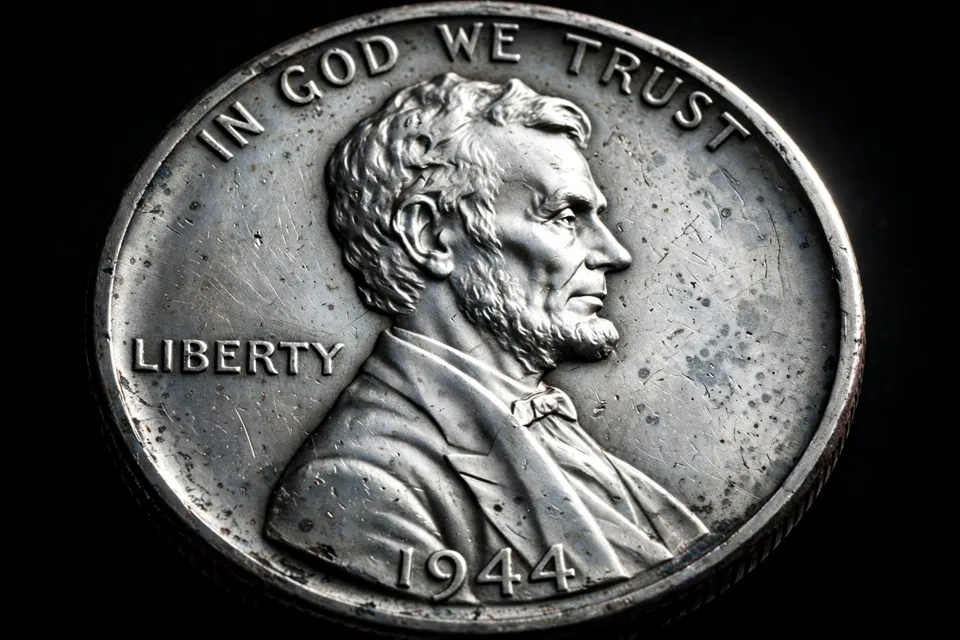
- 1944 Steel Penny Value: How Much Is a 1944 Steel Penny Worth? (Up to $408,000+) — another wartime error where the magnet test, not the loupe, settles authenticity
- How to Grade a Coin: The Complete Guide to the 1–70 Scale, Luster, Wear & Value — grade decides a doubled die's price, from worn examples to Mint State gems