How to Identify a Die Clash Coin: Ghost Marks, Letter Transfers & Real Values
Coin errors · 9 min read · Published November 2, 2026 · Updated November 2, 2026
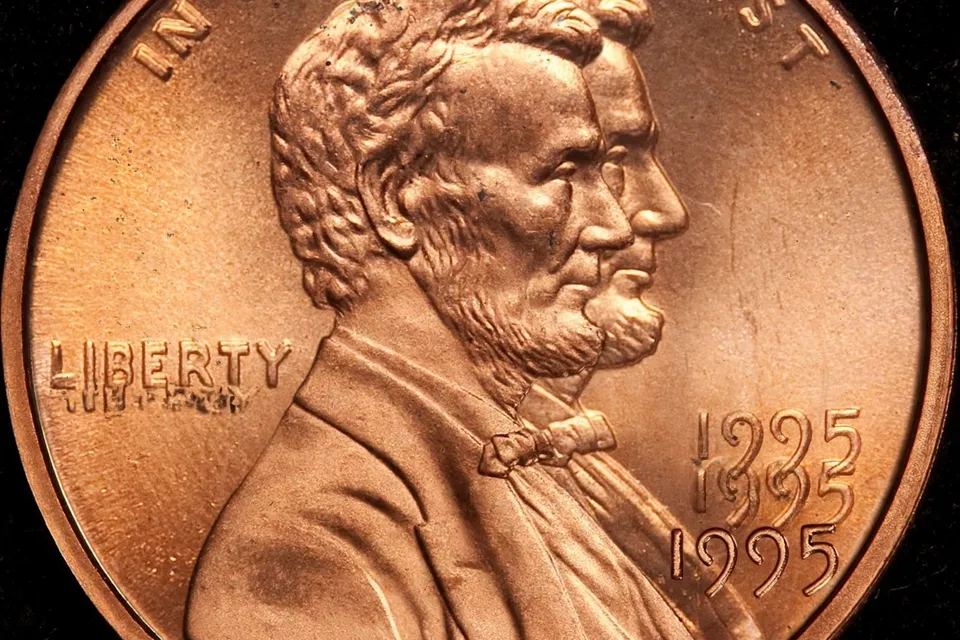
A die clash coin carries a faint, ghost-like impression of the opposite side's design. Look for a shallow, mirrored mark sitting in the flat field, not on the raised portrait or eagle, that matches a letter or design element from the other face. If the extra mark is incuse, mirrored, and lines up with the opposite design when you flip the image, you are looking at a clash. Most faint clashes add only a few dollars, while a strong clash with a transferred letter can run $50+ to $500+.
What a Die Clash Actually Is
Every United States coin is struck between two dies, an obverse die carrying the front design and a reverse die carrying the back design. Between strikes, a blank planchet is supposed to sit between them and take the impression. A die clash happens when the press cycles with no planchet in the striking chamber, so the two dies slam directly into each other.
That metal-on-metal contact leaves a mark on both tools. The highest points of each die press an impression into the face of the other die. When the next planchet is fed in and struck normally, the damaged dies transfer those impressions onto the coin. The result is a coin with its own full design plus a faint extra image borrowed from the opposite side.
This sequence is what separates a clash from almost every lookalike. The clash did not happen to the finished coin. It happened to the dies, before your coin was ever struck. Every coin struck by that damaged die pair afterward can carry the same ghost marks, until the dies are polished, repaired, or retired. That is why clash marks repeat in the same place on coin after coin from the same die pair, while random damage never repeats.
The Three Tell-Tale Signs of a Clash
A genuine die clash shows three traits together. One trait alone proves nothing, but all three together are a strong identification.
First, the mark is incuse. It is pressed into the surface of the coin rather than raised above it. Run a wooden toothpick lightly across the mark and it drops into a shallow groove. Raised lines belong to a different error family entirely, most often a die crack, where metal flowed into a crack in the die and stood proud of the surface.
Second, the mark sits in the field. The field is the flat, open background of the coin, away from the portrait, the eagle, and the lettering. Clash marks appear in the fields because the highest points of one die, which are the deepest recesses of the other, meet in the open areas first. A strange mark sitting squarely on top of a device, inside the portrait or across the eagle's feathers, is far less likely to be a clash.
Third, the mark is mirrored and belongs to the other side. This is the decisive test. A clash mark is a reversed, ghost version of something from the opposite face: a letter backwards, a wreath fragment where no wreath belongs, a wing edge crossing an empty field. If you cannot connect the extra mark to any element of the opposite design, treat the identification as unproven.
The Overlay Test: Proving a Clash in Two Minutes
The overlay test turns a suspicion into an identification, and it needs nothing more than a phone photograph and a few minutes.
Photograph both faces of the coin straight on, in the same orientation and at the same size. Then take the reverse photograph, flip it horizontally so it is mirrored, and rotate it 180 degrees, the same turn the dies make relative to each other in the press. Lay that flipped reverse image over the obverse photograph. On a clashed coin, the ghost marks on the obverse line up with design elements from the reversed reverse image. A letter that seemed random suddenly sits exactly where a letter from the other side would fall.
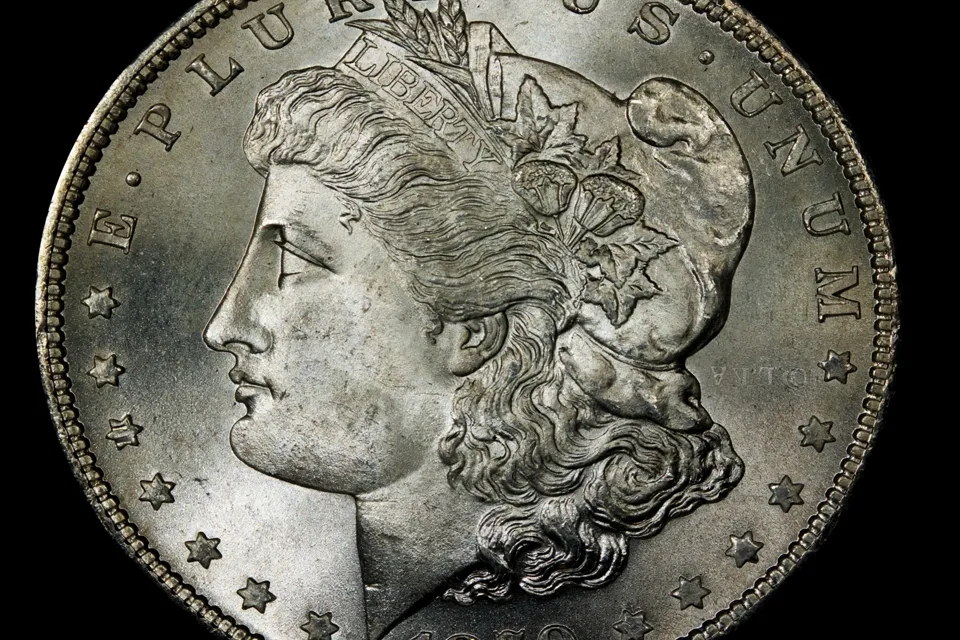
Do the same check in the other direction. Flip the obverse image the same way and lay it over the reverse. Real clashes usually show on both faces, though one side is often much stronger than the other. A mark that lines up on one face but has no partner anywhere on the other face deserves a second look before you call it a clash.
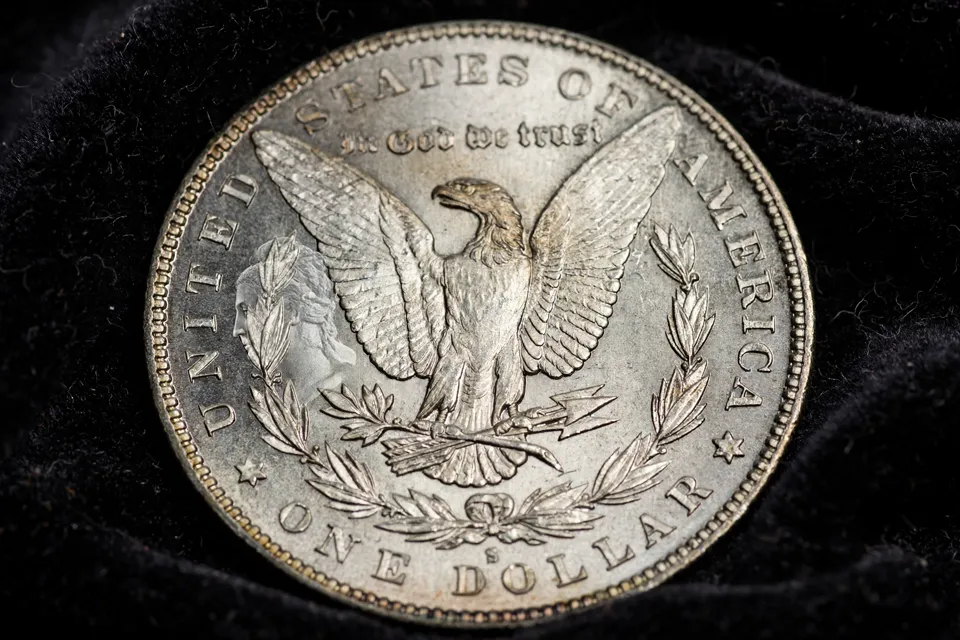
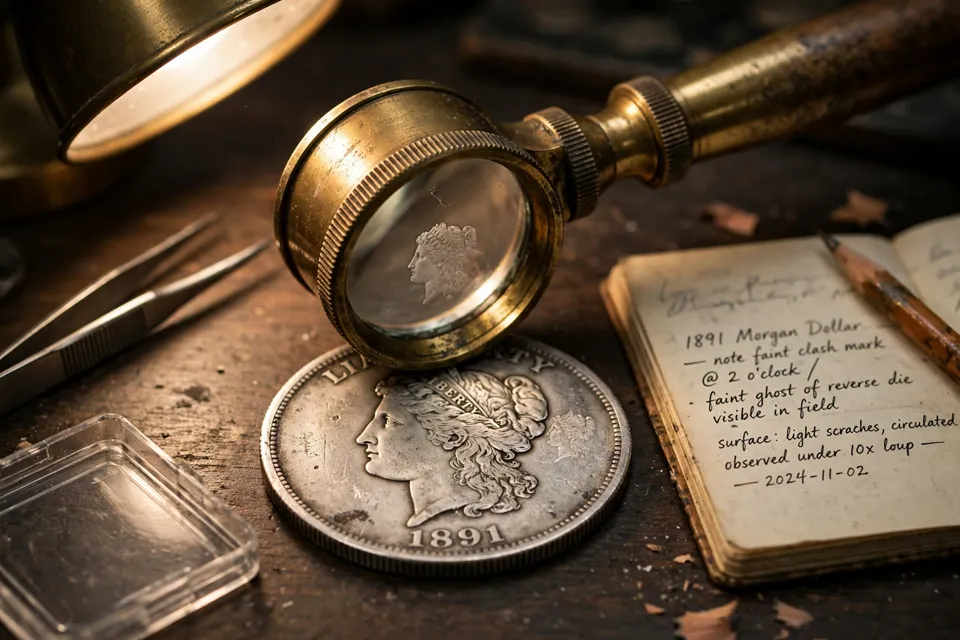
Light is your other tool. Hold the coin under a single lamp and tilt it slowly through a wide arc. Clash marks are shallow, and a straight-on light washes them out completely. Angled light throws a tiny shadow into the incuse groove and makes the ghost image jump out. Under 10x magnification, with the light coming from the side, even a faint clash that is invisible in a flat photograph becomes readable.
Famous Die Clash Coins to Know
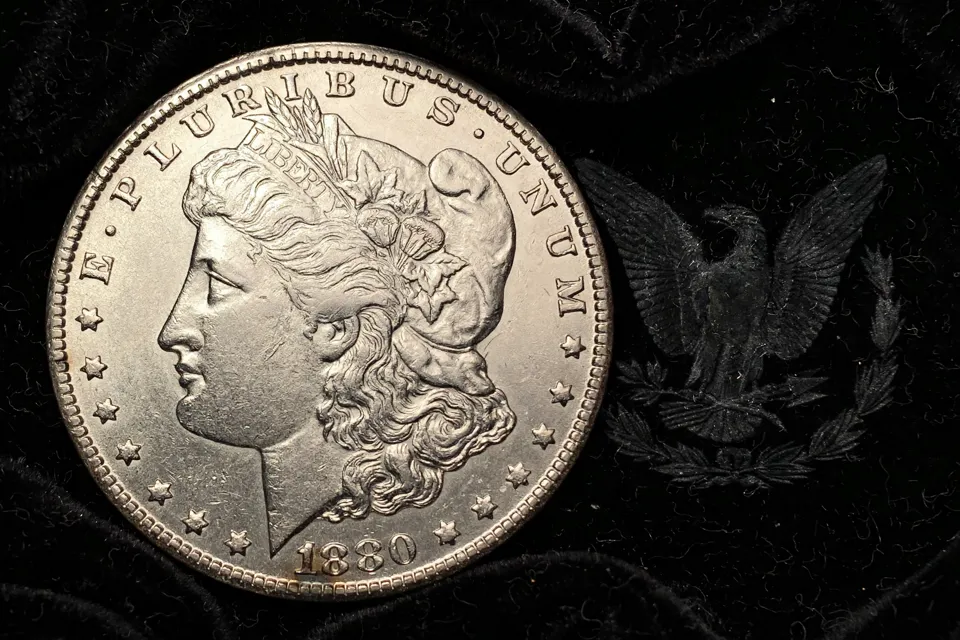
Morgan dollars are the classic clash hunting ground, and they teach the letter-transfer lesson better than any other series. On Morgan dollars, collectors prize clashes where a letter from the motto has transferred onto the opposite face. The famous 1889-O variety shows an E from the reverse motto transferred near the eagle's tail feathers on the reverse, and the 1887-P weak E clash is another letter-transfer variety that commands a strong premium in high grade. The money, as Morgan specialists put it, is in the letters. A clash without a letter transfer is interesting. A clash with a clear transferred letter is collectible.
The 1955 Franklin half dollar known as the Bugs Bunny variety is the most famous clash in modern American coinage. A clash between the dies left a mark across Franklin's mouth that looks like buck teeth, and the variety has been collected under that nickname for decades. It is a reminder that clash marks do not always look like letters. Sometimes they look like a design accident, and the nickname is what makes the coin famous.
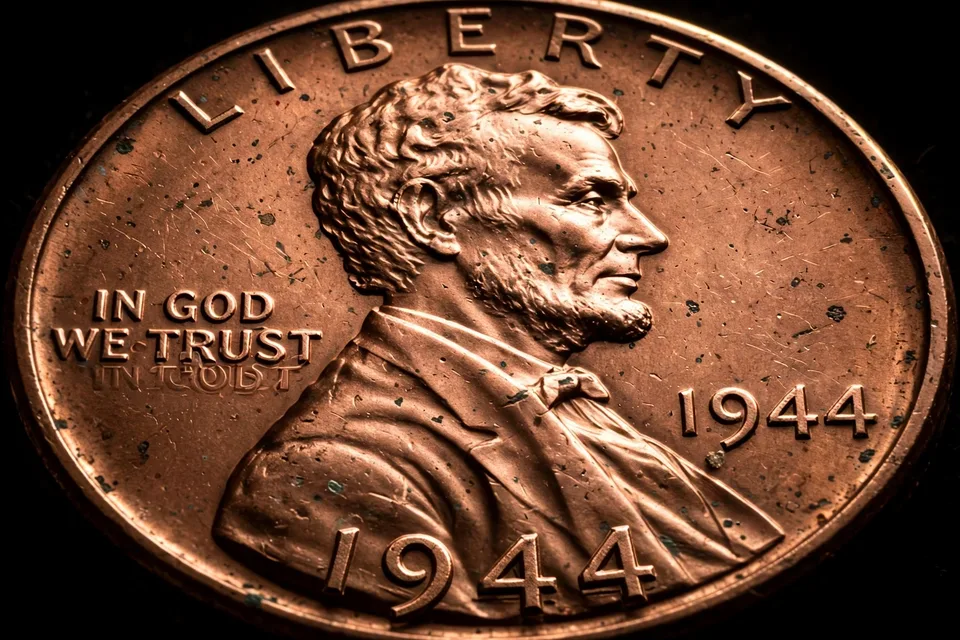
Modern pocket change carries clashes too. Lincoln cents from 1989 and 1995 are notorious for clash marks, and the 2016 American Silver Eagle struck with clashed dies, graded MS 69 with the Clashed Dies Mint Error notation, shows that even modern bullion coinage is not immune. The Silver Eagle example carries transferred eagle-feather detail on the obverse with portions of reverse lettering, exactly the mirrored, field-based pattern this guide describes.
Die Clash Coin Values
Most die clashes are common, and most common clashes are worth very little. That honesty matters, because the market pays for strength, clarity, and letter transfers, not for the mere fact of a clash. The table below gives typical collector-market ranges for a clashed coin where the clash is the only error and the coin is otherwise ordinary.
| Clash strength | What you see | Typical value range |
|---|---|---|
| Faint, no letter transfer | Ghost outline visible only under angled light | $2+ to $10+ |
| Moderate, design fragment visible | Clear mirrored fragment in the field | $10+ to $50+ |
| Strong, letter transfer | Readable backwards letter from the opposite side | $50+ to $500+ |
| Dramatic, named variety | Famous variety such as Bugs Bunny or a listed Morgan VAM | $100+ to $1,000+ |
Condition moves every band. A strong letter-transfer clash on a worn, scratched coin sells for far less than the same clash on a clean, lustrous example. Denomination matters too. A dramatic clash on a silver dollar or half dollar outruns the same clash on a common cent, because larger coins are scarcer as errors and attract more error collectors. Rarity of the specific die pair matters most of all. A clash from a die pair that struck thousands of coins before anyone noticed is common. A clash from a pair pulled from service quickly is scarce.
Professional grading follows the same logic. The major grading services recognize clash marks only when they are pronounced and unusual, so a faint clash that only you can see under one lamp angle will not earn an error attribution. Submit a clash for grading when it is strong, when a letter transfers clearly, or when it belongs to a named variety. For a faint clash on a common coin, a clear photograph pair and an accurate description are worth more than a grading fee.
Die Clash vs the Lookalikes
A doubled die is the lookalike that causes the most confusion, and the difference is simple once you see it. Doubling is raised, it sits on the devices themselves, and it repeats the coin's own design, with split serifs and thickened letters on the same face. A clash is incuse, it sits in the fields, and it borrows the opposite face's design. Raised and same-side means doubling. Sunken and opposite-side means clash.
Machine doubling is another trap. It leaves a flat, shelf-like step beside the letters, with a sharp edge that catches the light on one side only. It is damage to the strike, not a doubled design and not a clash, and it carries no premium. If the extra edge is flat rather than rounded, and it appears on only one side of each letter, it is machine doubling.
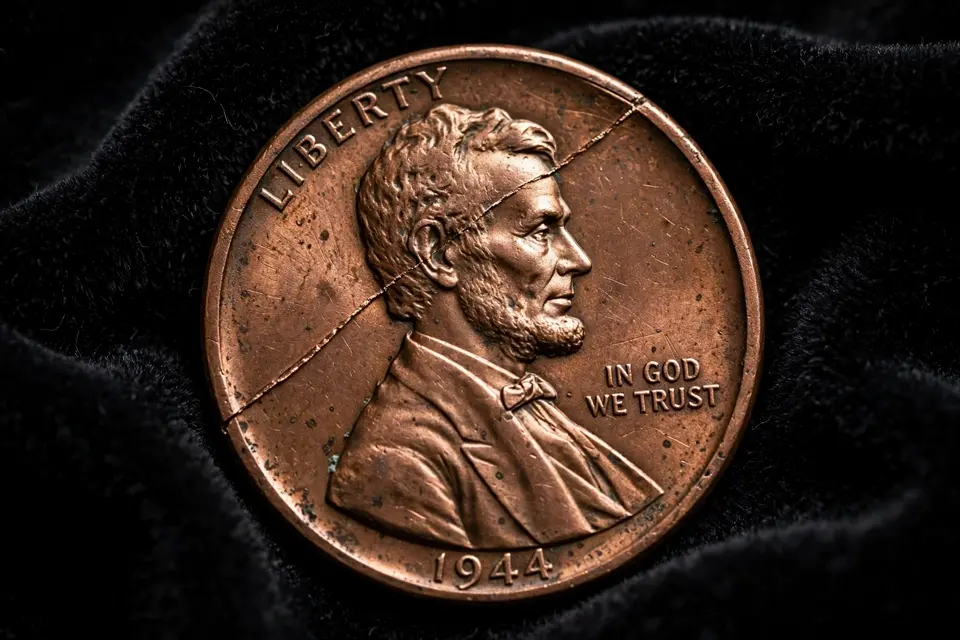
A die crack is raised, not incuse. Metal flowed into a crack in the die and left a thin raised line wandering across the coin. Die cracks often run from the rim toward the center or connect design elements, and they never mirror the opposite design. A raised line is a crack. A sunken ghost is a clash.
A brockage is the clash's dramatic cousin. It happens when a struck coin sticks to a die and strikes the next planchet, leaving a full mirror image of one face impressed into the other side. A brockage shows a complete, reversed design, usually deeply incuse, while a clash shows only fragments, the highest points of the opposite die. If the whole design is mirrored, think brockage. If only fragments appear, think clash.
A strike-through is incuse like a clash, but its shape tells a different story. A strike-through comes from a foreign object, grease, cloth, wire, or a metal fragment, caught between die and planchet. Its impression matches the object, a thread line, a cloth weave, a smooth grease-filled patch, not the opposite design. If the mark cannot be matched to the other face, it may be a strike-through rather than a clash.
Finally, ordinary damage is random. Scratches, gouges, and scrapes are incuse, but they cut across devices and fields without regard for the design, they show bright torn metal under magnification, and they never repeat on another coin. A clash is orderly. It follows the opposite design, it sits in the fields, and it repeats on coins from the same dies.
What to Do With a Die Clash Coin You Find
Handle the coin by its edges and slip it into an acid-free flip the moment you confirm the clash, because every new fingerprint and scratch on an error coin costs money. Photograph both faces straight on, then photograph the clash area under angled light with 10x magnification, and keep the overlay comparison that proved the identification. Write the host coin's date and mintmark, the clash location, and whether a letter transfers on the flip label.
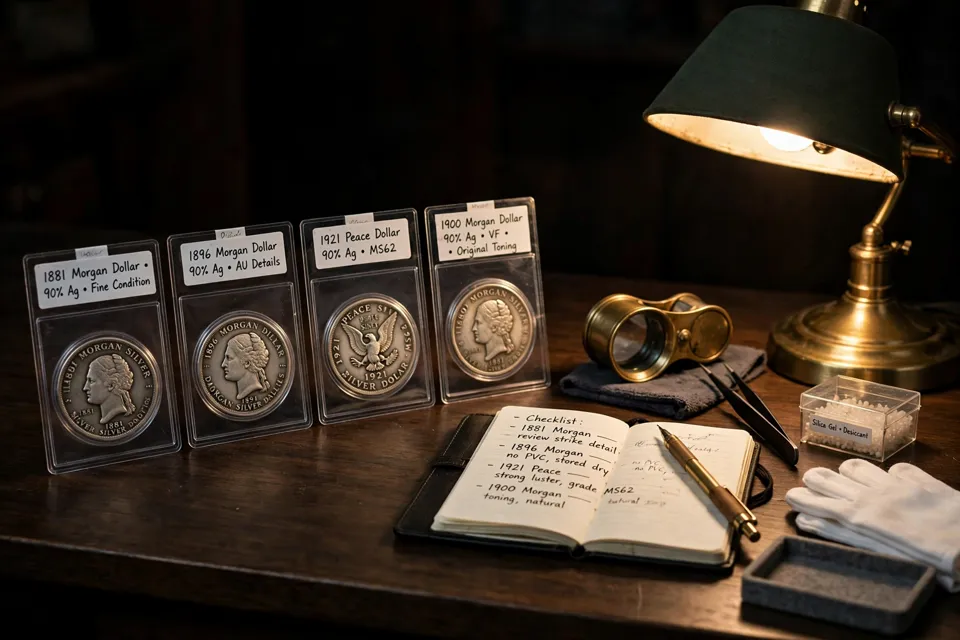
Compare your coin against the value table above, and be honest about the strength. A faint ghost that only appears under one lamp is a real clash, but it is not a letter-transfer premium coin. For a strong clash, a letter transfer, or a named variety, professional grading with error attribution is worth the cost, because the attribution is what turns a story into a saleable coin. For a faint clash on a common coin, the photograph pair and the overlay proof are usually enough.
Try the site's Error Identifier tool to cross-check your identification against other error types before you spend anything on grading. A clash that survives the overlay test, the field test, and the lookalike checks in this guide is a genuine mint error, and the best ones, the letter transfers and the named varieties, are among the most satisfying finds in roll hunting.
Frequently Asked Questions
What is a die clash coin?
A die clash coin is a coin struck by dies that collided with each other while no planchet was between them. The collision transferred fragments of each die's design onto the other die, and later coins struck by those dies carry faint, mirrored ghost marks from the opposite face in their flat fields.
How can you tell a die clash from a doubled die?
Doubling is raised, sits on the coin's own devices, and repeats the same face's design with split serifs. A clash is incuse, sits in the flat fields, and mirrors the opposite face's design. The overlay test settles it: flip and rotate the opposite face's photograph, and a real clash lines up with that design.
Are die clash coins valuable?
Most faint clashes are worth only $2+ to $10+, because minor clashes are common. Value climbs with strength and clarity: moderate design fragments run $10+ to $50+, strong letter transfers run $50+ to $500+, and dramatic named varieties such as the Bugs Bunny Franklin half can reach $100+ to $1,000+ in the right condition.
Do grading services recognize die clash errors?
Yes, but only when the clash is pronounced and unusual. A faint clash visible only under one lamp angle will not earn an error attribution, while a strong clash, a clear letter transfer, or a named variety will. Submit only clashes that are obvious under normal angled light.
Which coins are most likely to show die clashes?
Morgan dollars are the classic clash series because their large fields and long production runs produced many documented letter-transfer varieties. Lincoln cents, especially 1989 and 1995 issues, are notorious for clashes, and modern bullion such as the 2016 Silver Eagle has also appeared with clashed dies.
Can a die clash be faked or confused with damage?
A clash cannot be convincingly faked by hand, because the ghost mark must mirror the opposite design exactly and repeat on coins from the same dies. Damage is random, cuts across devices, and shows torn metal under magnification. If the mark is orderly, incuse, in the field, and matches the opposite face, it is a clash, not damage.
A die clash coin costs nothing to check, and the difference between a $2+ curiosity and a $500+ letter transfer is one careful overlay test. Before you spend or sell any coin you are unsure about, run it through The Diggin Dave's free Error Identifier to confirm the error type, use the Coin Value Checker to confirm its value range, and try Grade-or-Not for a grade verdict on your best examples.
As an Amazon Associate, this site may earn from qualifying purchases.
Related Reading
- How to Identify a Doubled Die Coin: Real Doubling vs Machine Doubling — the raised-vs-flat test that separates true doubling from machine doubling
- How to Identify a Double Struck Coin: Two Strikes, Overlapping Designs & Real Values — the overlapping-design test for a coin struck twice
- How to Identify a Die Crack Coin: Raised Lines, Cuds & Real Values — the raised-line test that separates genuine die cracks from scratches, plus cud values