1842-O Seated Quarter: Small Date, Big Difference
Coin Encyclopedia · 8 min read · Published November 7, 2026
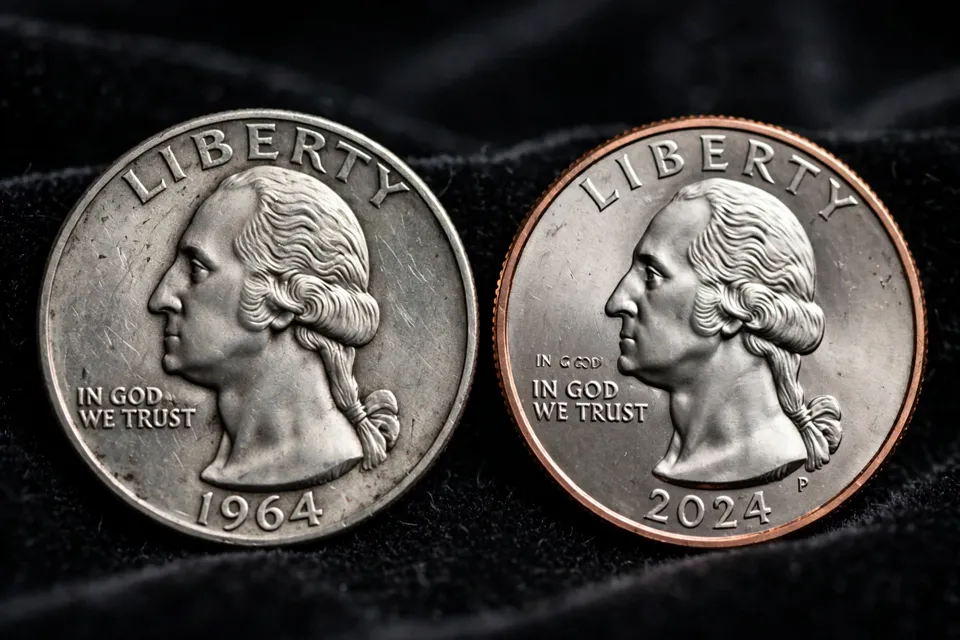
In 1842 the New Orleans Mint struck Seated Liberty quarters with two different date sizes, and collectors have been sorting them ever since. The small date and the large date look almost identical at a glance, but the numerals tell the story: on the small date the figures are compact and tightly spaced, while on the large date they are bolder and fill more of the field. Which one you hold changes the coin completely.
The 1842-O is a variety coin, not a mintage coin. Its interest lies in the dies, not in a small production number. This page explains how to tell the two dates apart, what New Orleans was doing in 1842, and how to read a Seated Liberty quarter that is now more than 180 years old.
Small date against large date
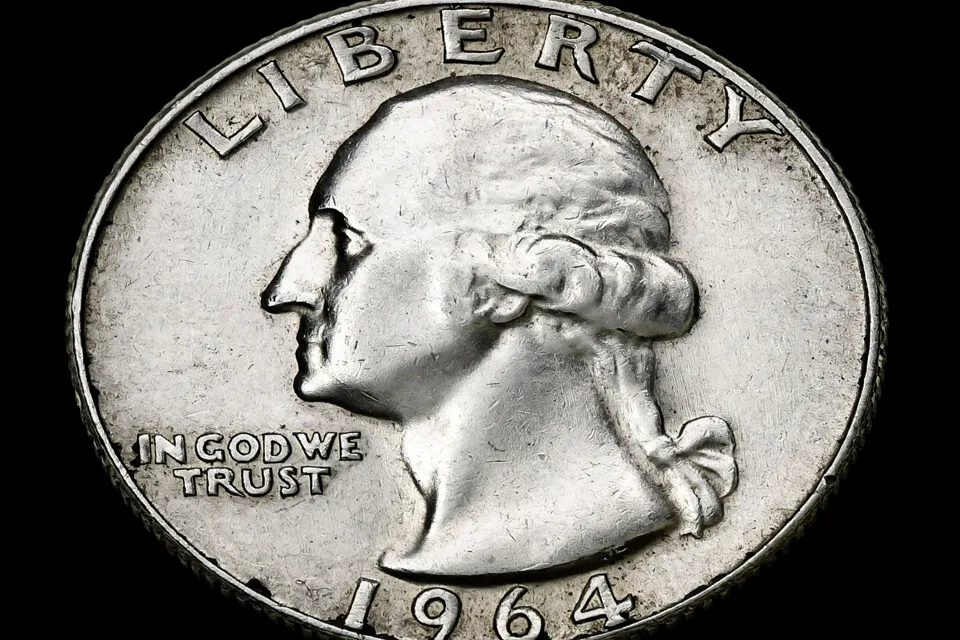
Hold the coin under a loupe and look at the date first. On the small date variety, the numerals are noticeably smaller, with the 1 and the 8 sitting close together and the whole date occupying less space below Liberty. On the large date, the numerals are taller and wider, and the date fills the space more aggressively. The difference is clearest when you compare the size of the 4 against the rim: small-date 4s look delicate, large-date 4s look bold.
Photograph the date in good light and compare it with a known example of each variety. Do not rely on memory alone, and do not decide from a blurry photo. The variety is the coin’s identity, and a wrong call here is a wrong call about everything else. If the numerals sit on the borderline, a professional opinion is the right next step.
New Orleans in 1842
The New Orleans Mint opened in 1838 to serve the commerce of the Mississippi Valley, and by 1842 it was striking silver coinage in earnest. Its quarters went into circulation across the South, where they wore hard in a cash economy that ran on silver. Few were saved, and the survivors carry the marks of that life: honest wear, soft details, and the warm grey tone of old silver that has never been cleaned.
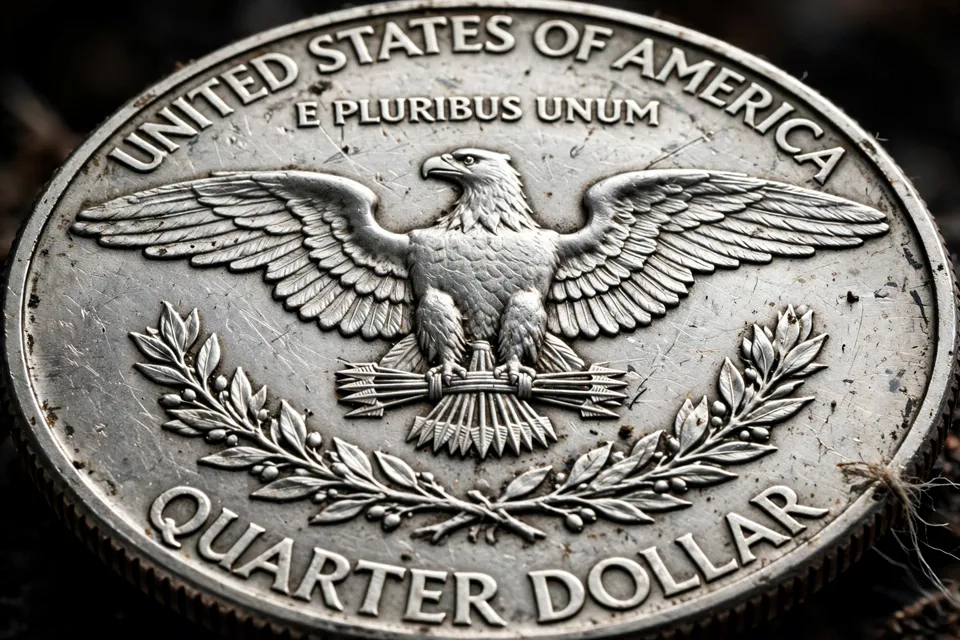
The O mint mark sits on the reverse, below the eagle. On the 1842-O it is the mark of a branch mint finding its feet, and the coins show it: strikes vary, surfaces vary, and no two survivors look quite alike. That variation is part of the appeal. A New Orleans coin is not a Philadelphia coin with a different letter. It is a product of a different place, struck under different conditions, and it shows.
Reading a Seated Liberty quarter
Christian Gobrecht’s Seated Liberty design shows Liberty seated on a rock, holding a shield and a pole topped with a liberty cap. The reverse carries an eagle with outstretched wings. On a worn example, the first details to go are Liberty’s head and the eagle’s breast feathers. What survives longest is the date, the mint mark, and the outline of the design, and those are the details that identify the coin.
Judge wear by the high points and originality by the surfaces. A coin with even, honest wear and soft original toning is a better coin than a brighter one with hairlines from cleaning. More than 180 years of handling will show on any survivor, and the wear is part of the coin’s story, not a flaw in it.
What our guide shows for the 1842-O
Our value guide has not yet researched grade-by-grade figures for this date, and the mintage is not yet established in our catalog, so both are shown as “—” here rather than guessed. The variety is the point of this coin, and the variety is documented: small date against large date, struck at New Orleans in 1842.
| Grade | Estimated value |
|---|---|
| Good (G-4) | — |
| Fine (F-12) | — |
| Extremely Fine (XF-40) | — |
| About Uncirculated (AU-50) | — |
| Mint State 60 (MS-60) | — |
| Mint State 65 (MS-65) | — |
Guide values reviewed November 5, 2026 — figures update live from our Worker.
What is documented is the metal. The 1842-O is 90% silver, and its silver sets a floor under every genuine example. Our guide has not yet established a metal-floor figure for this date, so the specs section below shows it as “—” rather than a guessed number. Above that floor, the variety and the condition decide the collector value, and the small date is the variety collectors look for first.
The silver underneath
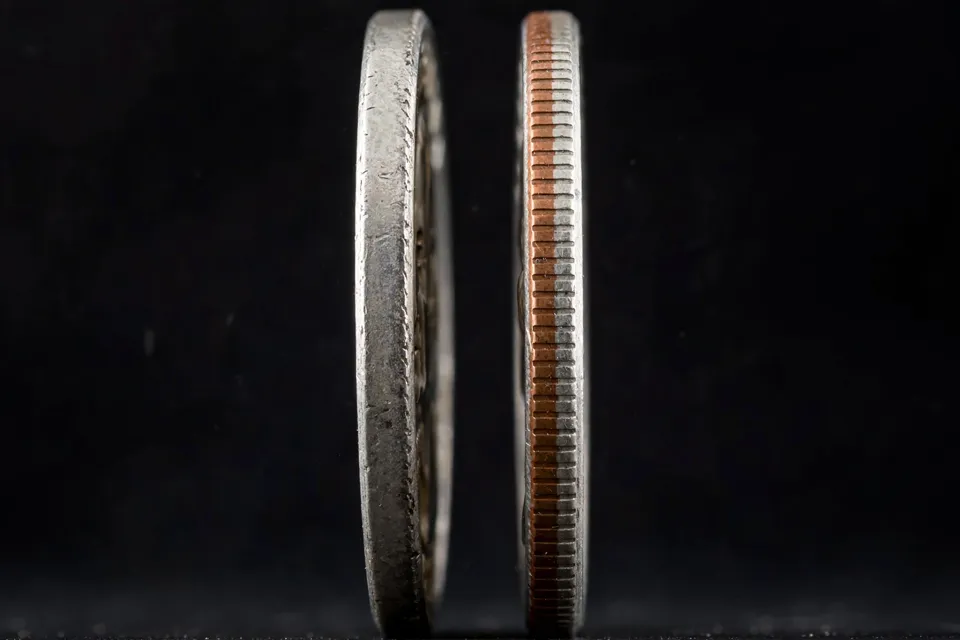
Seated Liberty quarters of this era weigh 6.22 grams and measure 24.3 millimetres across, with a reeded edge and about 0.18 troy ounces of pure silver. The weight changed later in the series, in 1873, when the Coinage Act raised it to 6.25 grams, but the 1842-O is a 6.22-gram coin. A pocket scale is a useful check: a genuine example weighs 6.22 grams, and a coin far from that figure deserves a closer look.
Silver gives the coin its floor, and the floor is real. Until a figure is established, the metal floor is shown as “—” in the specs section. But the floor is the least interesting thing about the 1842-O. The date is the story.
Handling a coin from 1842
Do not clean it. A coin that has survived since 1842 has earned its surfaces, and cleaning strips them away permanently. Handle it by the edges, store it in an acid-free holder, and keep it away from humidity and household chemicals. If the coin is raw, photograph both sides and note where it came from.
Then get the variety confirmed. A professional opinion on small date against large date is worth having, because the variety is the coin’s identity and everything else follows from it.
Latest reported results for this coin
Checking for newly reported results…
Your questions, answered
What is the difference between the small date and large date 1842-O quarter?
The small date has compact, tightly spaced numerals below Liberty, while the large date has taller, bolder numerals that fill more of the field. Compare the size of the 4 against the rim under a loupe.
Where is the mint mark on an 1842-O Seated Liberty quarter?
The O is on the reverse, below the eagle. It marks the coin as a New Orleans product, struck at the branch mint that opened in 1838.
Is the 1842-O Seated Liberty quarter silver?
Yes. It is 90% silver, weighing 6.22 grams with about 0.18 troy ounces of pure silver. The metal floor for this date is shown as a dash in the specs section above until our guide establishes a figure.
How many 1842-O Seated Liberty quarters were struck?
The mintage is not yet established in our catalog, so it is shown as a dash rather than guessed. The coin is collected for its small date and large date varieties, not for a published mintage figure.
Should I get an 1842-O quarter certified?
Yes, especially to confirm the variety. Small date against large date is the coin's identity, and a professional opinion settles it permanently.
Check your 1842-O
Run the date and mint mark through the free Coin Value Checker for an instant estimate, or use the Key Date Checker to see how it ranks. The wider quarter guide is here: Rare Quarters in Your Change Worth $207,400+. The other early Carson City Seated quarter is the 1870-CC Seated Liberty Quarter.
Two date sizes, one mint, one year — the 1842-O is a reminder that the smallest difference on a coin can be the whole story, and that looking closely is the collector's first skill.
This guide is for education — learn the coin first, and get a professional opinion before buying or selling.