1867 Seated Half Dime: Legend Obverse After the War
Coin Encyclopedia · 8 min read · Published November 7, 2026
The 1867 Seated Liberty half dime is a coin from after the war, and the design tells you so at a glance. Around Liberty on the obverse run the words UNITED STATES OF AMERICA, in place of the thirteen stars that circled her before. In 1860 the Mint moved the legend from the reverse to the obverse, and every Seated half dime struck after that change, including the 1867, is a legend-obverse coin. The 1867 is a Philadelphia issue of that type, struck in the second year after the Civil War ended, when the country was putting its coinage back together.
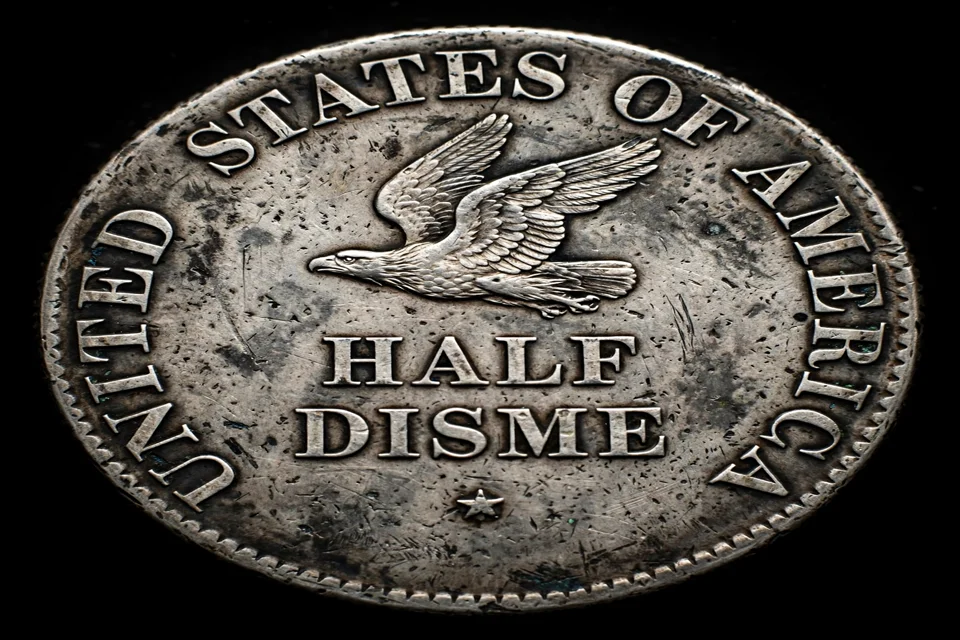
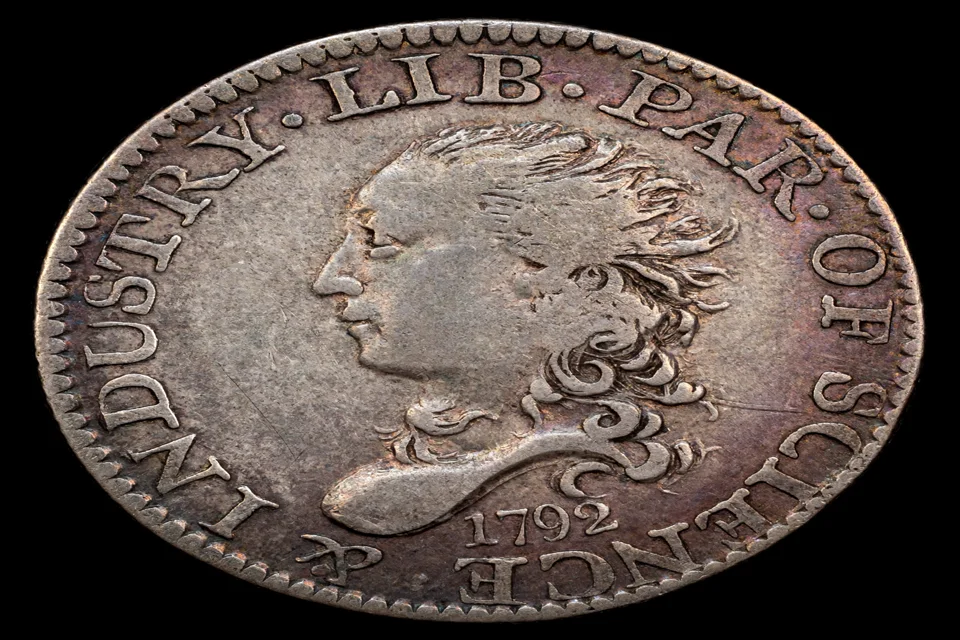
The half dime was America’s five-cent piece in silver, the direct descendant of the 1792 half disme and the ancestor, eventually, of the modern nickel. By 1867 it had been struck in the Seated Liberty design for thirty years, and the legend obverse was the design’s final form: the stars were gone, the legend was on the obverse, and the reverse carried the wreath around the denomination. A coin from 1867 is a coin from the first full years of peace, and that history is part of why collectors keep it.
What “Legend Obverse” means
From 1837 to 1859 the Seated half dime carried thirteen stars around Liberty on the obverse, and the legend UNITED STATES OF AMERICA on the reverse. In 1860 the Mint swapped them: the legend moved to the obverse, around Liberty, and the stars went away. The reverse kept the wreath around the denomination, and the mint mark, where there was one, stayed below the wreath. The change was a design decision, not a weight change and not an error, and it applied to the whole Seated series at once.
That is the entire meaning of the variety name. “Legend Obverse” does not describe a rare variety or a mistake. It describes the type: the coin was struck after 1860, with the legend on the obverse, and the 1867 is one of the legend-obverse years. The stars-obverse coins are the earlier type, and the legend-obverse coins are the later type, and the 1867 sits firmly in the later one.

The stars test — legend or stars, in ten seconds
Turn the coin over to the obverse and look around Liberty. On a legend-obverse coin the words UNITED STATES OF AMERICA run around the rim, in a clean arc. On a stars-obverse coin there are thirteen stars around Liberty instead, and the legend sits on the reverse. The difference is visible without a loupe, and it is the first thing to check on any Seated half dime, because it places the coin before or after 1860 in a single glance.
Do not judge by the date alone. The date tells you the year, but the obverse tells you the type, and the two together are the attribution. An 1867 half dime is a legend-obverse coin by definition, because the change happened in 1860, but the test is still worth doing: it teaches the eye the difference between the two types, and it protects against the common mistake of calling a stars-obverse coin by a legend-obverse date. If the legend runs around Liberty, you hold the later type. If the stars run around her, you hold the earlier one.
Philadelphia in 1867 — after the war
The 1867 half dime was struck at Philadelphia, and it carries no mint mark, which is itself the attribution: Philadelphia struck the 1867 legend-obverse issue, and the reverse shows the wreath with no mint mark below it. The year matters. The Civil War had ended in 1865, and the country was rebuilding its coinage along with everything else. The Southern mints were closed, the San Francisco Mint was striking for the West, and Philadelphia was the Mint that carried the small silver coinage for the East.
The coins went into circulation in a country that was using small silver again, after years in which the war had driven silver from circulation and left the country on paper money. A half dime was a real coin in 1867, worth a morning’s errand or a loaf of bread, and the pieces that survived did so by accident: dropped in a drawer, saved in a jar, carried as a pocket piece and then forgotten. Everything else wore down, and the date wore first. An 1867 with a full, readable date and original surfaces is already a scarce coin.
What our value guide records for this date
Our value guide has not yet researched the 1867 legend obverse grade by grade, and it does not record a mintage for this variety either. The table below is all dashes, and the mintage shows “—” for the same reason: the catalog reviewed November 5, 2026, records the variety and nothing else for this date, and we will not fill the gaps with figures borrowed from elsewhere. The table will be completed as the grade-by-grade research lands.
| Grade | Estimated value |
|---|---|
| Good (G-4) | — |
| Fine (F-12) | — |
| Extremely Fine (XF-40) | — |
| About Uncirculated (AU-50) | — |
| Mint State 60 (MS-60) | — |
| Mint State 65 (MS-65) | — |
What the catalog does record is the variety, and on this date the variety does most of the talking. The 1867 legend obverse is a post-war Philadelphia issue of the final Seated half dime type, and that is the fact that carries this page. The stars test above is the way to prove the type, and the absence of a mint mark is the way to prove the mint.
The coin at a glance
The Seated Liberty half dime measures 15.5 millimetres across, is struck in 90% silver, and carries a reeded edge. The 1867 legend-obverse coin weighs 1.24 grams, the weight set by the 1853 reduction, which the arrows had marked on the coins of that year. The design is Seated Liberty on the obverse, by Christian Gobrecht, with the legend UNITED STATES OF AMERICA around her, and a wreath around the denomination on the reverse. The metal floor for this coin is —, because this series is not yet covered by our live metal-floor specs: no live floor figure shows here yet, and the specs section will carry it when the coverage lands.
Reading the legend on a worn coin
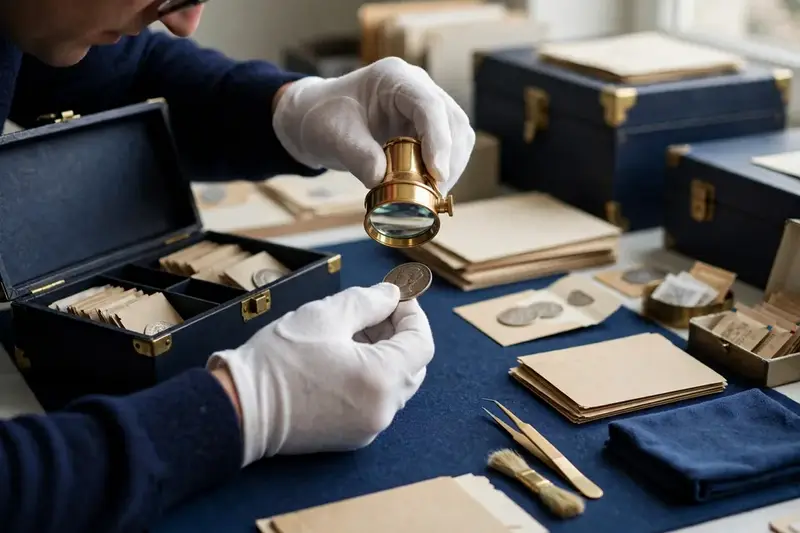
The legend is the whole attribution for the type, and it lives around the rim of the obverse. On a worn coin the letters can be faint, because the rim takes wear, but the legend is struck into the die, and a genuine legend shows as part of the design, with the same surface texture as the rest of the coin. Hold the coin under a single light and tilt it slowly, so the light rakes across the surface, and read the words letter by letter. If UNITED STATES OF AMERICA runs around Liberty, you hold the legend-obverse type. If stars run around her instead, you hold the earlier type.
Then weigh the coin: a genuine legend-obverse half dime weighs 1.24 grams, and a coin that is light or the wrong size is a warning. Then look at the edge, which should be reeded and even, and at the overall surface for the hairlines that betray cleaning. A coin that passes all of those checks is worth a professional opinion if it looks uncirculated, because a post-war Philadelphia half dime in high grade is scarce enough to justify the fee.
Handling, storage, and getting a second opinion
Hold the coin by its edge, never across the faces, and never clean it. Cleaning strips the original surface and leaves hairlines that a grader will spot at once, and on a small silver coin those hairlines are the difference between an original coin and a damaged one. Keep the coin in an acid-free flip or a proper holder, away from humidity, and do not store it loose with other coins where the date can rub away further. If the coin looks uncirculated, or if the type is in any doubt, a professional opinion from PCGS or NGC settles the variety and the grade in one step, and on a post-war Philadelphia issue that certainty matters.
Latest reported results for this coin
Checking for newly reported results…
Your 1867 legend-obverse questions, answered
What does “Legend Obverse” mean on an 1867 half dime?
It means the obverse carries the legend UNITED STATES OF AMERICA around Liberty, instead of the thirteen stars. In 1860 the Mint moved the legend from the reverse to the obverse, and every Seated half dime struck after that change, including the 1867, is a legend-obverse coin.
How can I tell a Legend Obverse from a Stars Obverse half dime?
Look around Liberty on the obverse. On a legend-obverse coin the words UNITED STATES OF AMERICA run around the rim. On a stars-obverse coin there are thirteen stars around Liberty instead, and the legend sits on the reverse. The difference is visible without a loupe.
Where is the mint mark on an 1867 half dime?
An 1867 Philadelphia half dime carries no mint mark, which is itself the attribution: Philadelphia struck the 1867 legend-obverse issue, and the reverse shows the wreath with no mint mark below it.
How many 1867 Seated half dimes were struck?
Our catalog does not record a mintage for this variety, and it shows “—” rather than a figure borrowed from elsewhere. The 1867 is a post-Civil War Philadelphia issue of the legend-obverse type, and the mintage will be added when our own research records it.
Does our value guide list estimates for the 1867 legend obverse yet?
Not yet. All six grades currently show “—” in our catalog, reviewed November 5, 2026. We show the gap rather than guessing, and the table will be completed as the grade-by-grade research is done.
Check your 1867
Run the date and mint mark through the free Coin Value Checker for an instant estimate, or get a Grade-or-Not verdict on whether your coin is worth certifying. The half dime’s ancestor is here: 1792 Half Disme: America’s $2,928,000 First Coin.
This guide is for learning and collecting, not financial advice. Every estimate here comes from our own researched catalog, and the real worth of any single coin depends on its condition, its variety, and the market on the day you hold it.
This guide is for education — learn the coin first, and get a professional opinion before buying or selling.