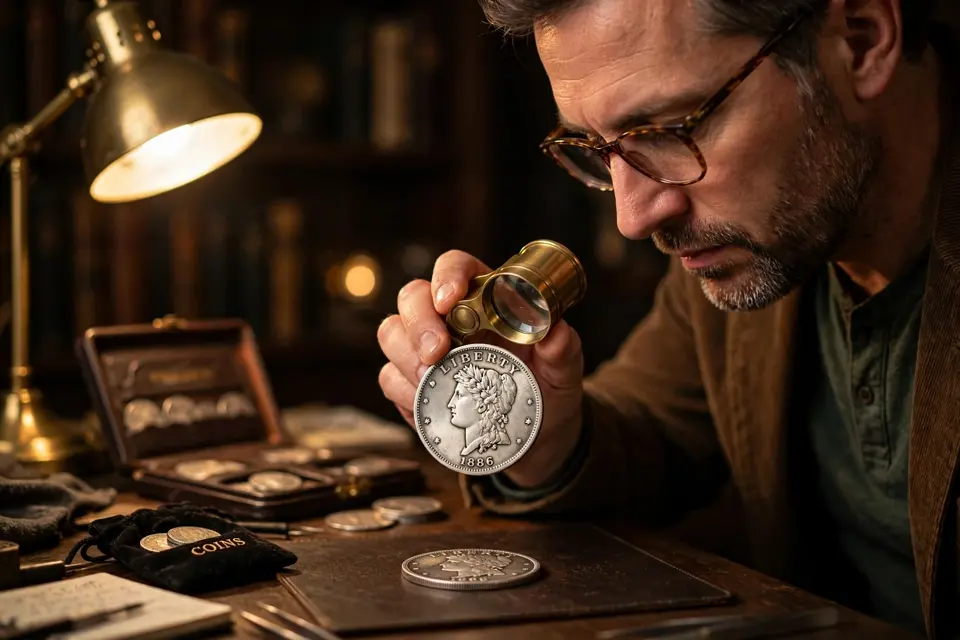
How the 1903-O Morgan Dollar Lost Its Rarity
Coin Encyclopedia · 9 min read · Published November 7, 2026
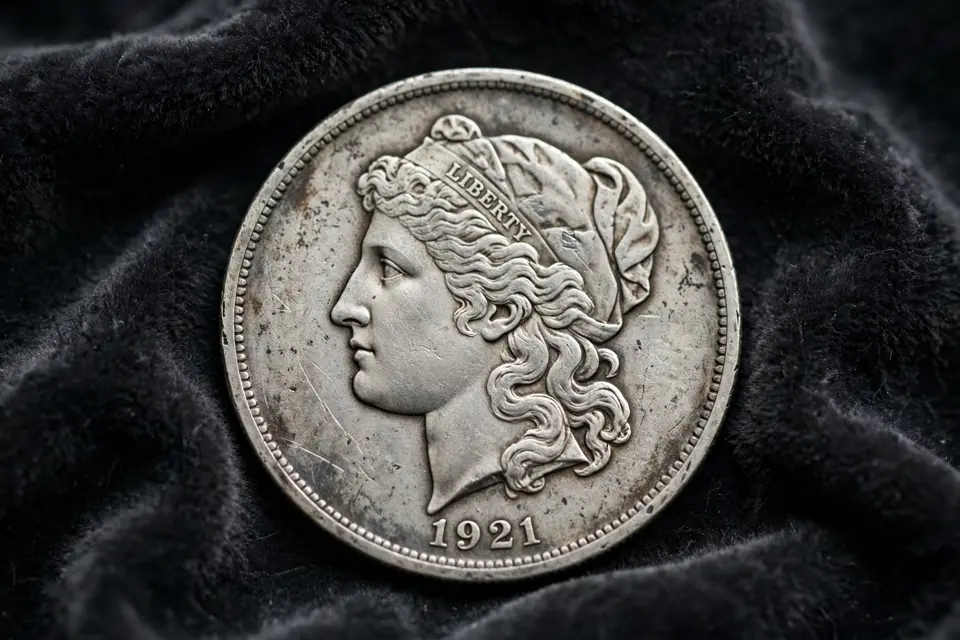
Four million four hundred fifty thousand. The 1903-O Morgan dollar was struck in generous numbers at New Orleans, and for half a century collectors believed it was the rarest Morgan dollar in mint state — a coin so scarce uncirculated that it commanded a legendary premium. Then, in the 1960s, the Treasury opened its vaults and released bag after bag of 1903-O dollars that had sat untouched for decades. The rarity vanished almost overnight, and the 1903-O went from the scarcest Morgan in mint state to one of the most available. It is the most famous reversal in Morgan dollar history, and it is the whole story of this date.
This is the honest part of the page, and it matters. Our November 2026 review holds no researched grade figures for the 1903-O at any of the six grades — G-4, F-12, XF-40, AU-50, MS-60, and MS-65 are all dashes in the table below. That is not a statement that the coin is worthless; it is a statement that this guide has not yet researched figures it can stand behind, and it will not invent them.
What we know, and what we do not
What can be said safely is this: the floor under any genuine 1903-O is its silver — the live metal floor in the specs section — plus a modest premium for the O mint mark at most grades. Worn examples trade near the floor, and uncirculated examples — once legendary, now available thanks to the Treasury releases — trade on condition and lustre. For a current figure on a specific coin, the Coin Value Checker and a professional opinion are the right next steps, not a guessed number on a page.
| Grade | Estimated collector value |
|---|---|
| G-4 | — |
| F-12 | — |
| XF-40 | — |
| AU-50 | — |
| MS-60 | — |
| MS-65 | — |
A dash (—) means our November 2026 review holds no researched figure for that grade yet — it is a gap in our data, not a zero. Figures are collector estimates, reviewed November 5, 2026.
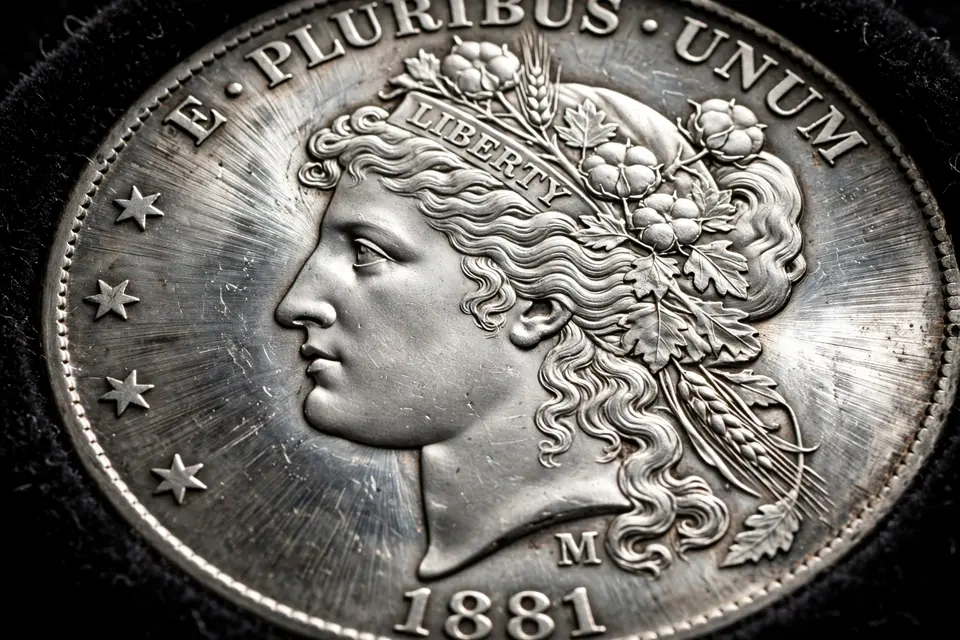
The Treasury release that changed everything
Before the 1960s, the 1903-O was the great mystery of the Morgan series. Collectors knew 4,450,000 had been struck, but almost none appeared in mint state — the coins seemed to have vanished. The explanation was simple once the vaults opened: the Treasury had held back large quantities in bags, and those bags had sat undisturbed for decades. When the releases of the 1960s put them into collectors' hands, the mint-state population went from nearly none to thousands in a matter of months, and the figures fell just as fast. It is the clearest lesson in numismatics that a mintage number is not a survival number.
For the collector today, the practical consequence is good news: an uncirculated 1903-O is an affordable coin, a fine way to own a mint-state Morgan with full lustre, and a reminder that rarity is a claim about survival, not about mintage.
New Orleans in 1903: soft strikes, hard miles
New Orleans dollars are the soft strikers of the Morgan series. The O mint's coins often show flat hair over Liberty's ear, a weak eagle's breast, and a slightly dull, satiny lustre, even straight from the mint. Collectors who learn to separate a weak strike from actual wear do far better with this mint than those who grade by detail alone. The mint struck Morgans from 1879 through 1904, and its coins circulated hard in the South, so original, uncleaned survivors are genuinely scarce.
For the 1903-O, that reputation matters more than usual. The mint's soft strikes make grading one fairly take practice — weak detail from the mint is not the same as wear from circulation, and confusing the two is the classic beginner's mistake with this mint. The Treasury releases mean many uncirculated examples exist, but a genuinely sharp one is still scarcer than the mintage suggests.
Grading a 1903-O: strike first, wear second
Grading a Morgan starts in three places: Liberty's cheek, the hair above her ear, and the eagle's breast feathers on the reverse. On a mint-state coin those areas are fully struck and covered in cartwheel lustre that rolls across the surface when you tilt the coin under a light. The first wear shows as a flat, dull patch on the cheek and on the high points of the hair curls; the breast feathers go soft next. A coin with full lustre and no wear is mint state, and from there the grade is a question of marks, strike, and eye appeal.
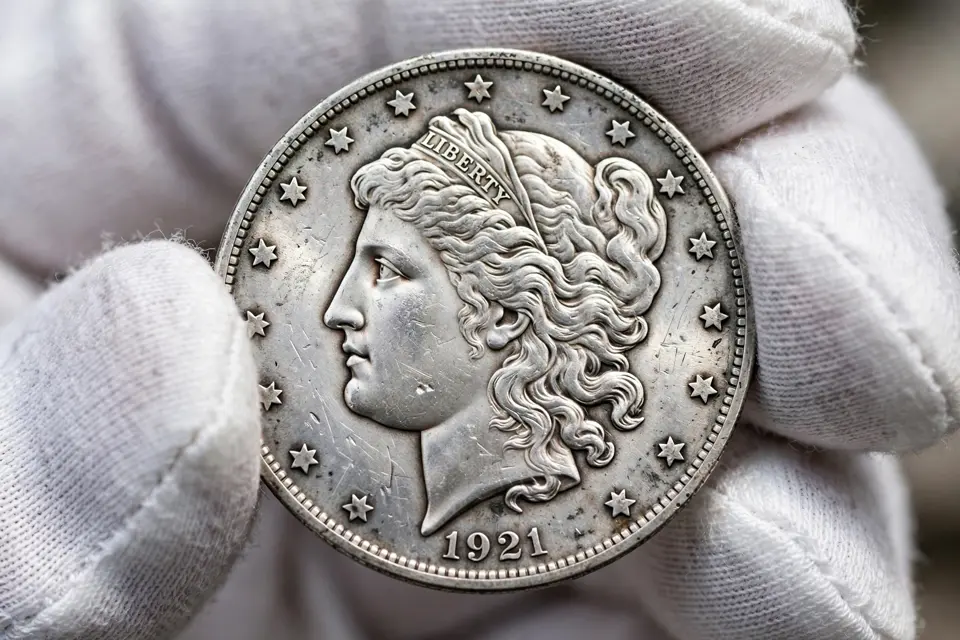
Start with the hair over Liberty's ear and the eagle's breast: on most New Orleans dollars both are flat, even on coins that never circulated. Do not call that wear. Wear shows as flat, grey patches with broken lustre on the high points; a weak strike keeps its lustre in the fields and simply never had the detail to begin with. Then check the cheek, which is where real wear lands first, and the fields, which should still roll with cartwheel lustre on a mint-state coin.
Specs and the silver floor
Every Morgan dollar shares the same bones: 26.73 grams, 38.1 millimetres across, a reeded edge, and 90% silver with 10% copper, which works out to 0.7734 troy ounces of pure silver in each coin. That metal is the floor under every genuine Morgan, however worn: $40.27. George T. Morgan designed both sides: Liberty in a Phrygian cap on the obverse, a heraldic eagle in a wreath on the reverse, and the mint mark, when there is one, tucked below the wreath on the reverse.
Metal floor updates live from our Worker — last updated November 7, 2026.
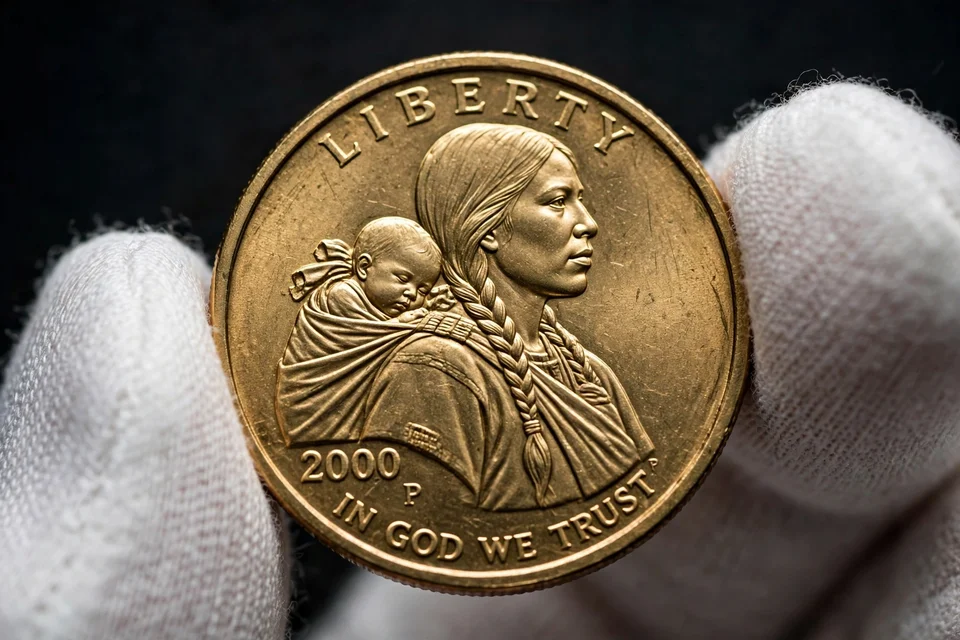
The silver floor is close to the whole story for a worn 1903-O, and that is the point. At 4,450,000 struck, with Treasury bags released in the 1960s, this date trades near its metal at the bottom and on condition at the top — and the top is far more affordable than collectors once believed.
Before you trust a 1903-O
Counterfeits are a real hazard with every coin in this guide, and the checks are the same ones collectors have used for decades. Weigh it first — 26.73 grams, no excuses — and measure the diameter at 38.1 millimetres. Hold a magnet to it: silver does not stick, and a coin that does is not what it claims to be. Under a loupe, genuine striking leaves crisp, even lettering and clean fields; a cast copy betrays itself with soft details, tiny pits, and a slightly greasy surface. When the stakes are high, certification settles it.
The Treasury releases mean genuine uncirculated 1903-O dollars are available, so a coin claimed as mint state deserves the full check all the same — weight, diameter, magnet, and loupe. Under a loupe, genuine striking leaves crisp, even lettering and clean fields; a cast copy betrays itself with soft details, tiny pits, and a slightly greasy surface. When the stakes are high, certification settles it.
Latest reported results for this coin
Checking for newly reported results…
1903-O Morgan dollar questions, answered honestly
How much is a 1903-O Morgan dollar worth?
Our guide holds no researched grade figures for the 1903-O yet — all six grades are shown as dashes rather than guesses. The live metal floor is in the specs section, and uncirculated examples trade on condition and lustre. Use the Coin Value Checker or a professional opinion for a current figure on a specific coin.
What is the mintage of the 1903-O Morgan dollar?
New Orleans struck 4,450,000 Morgan dollars in 1903. It is a large mintage — and the Treasury releases of the 1960s proved that large numbers had survived in bags, which is why uncirculated examples are available today.
Why was the 1903-O once thought the rarest Morgan?
Because almost none appeared in mint state for half a century, despite the large mintage. Collectors assumed they had all circulated or been melted — until the Treasury releases of the 1960s revealed bag after bag that had sat untouched for decades, and the rarity vanished almost overnight.
How do I know my 1903 Morgan is from New Orleans?
Turn the coin over and look below the wreath on the reverse, just above the word DOLLAR. A small O there means New Orleans. An S means San Francisco, and no mint mark means Philadelphia.
Is the 1903-O Morgan dollar a good first mint-state Morgan?
Yes — it is one of the best. Thanks to the Treasury releases, uncirculated examples with full lustre are available at a fair figure, which makes the 1903-O a fine coin to learn mint-state grading on before spending more on a scarcer date.
Should I get my 1903-O Morgan graded?
For a worn example, usually not — the figure is close to the silver floor. Consider certification when the coin looks uncirculated with full lustre, because an independent grade protects both the coin's identity and its figure, and it settles the question of whether the strike is genuinely sharp.
Check your 1903-O Morgan
Run the date and mint mark through the free Coin Value Checker for an instant estimate, or get a Grade-or-Not verdict on whether your coin is worth certifying. The full guide is here: 1921 Morgan Dollar Value: $40 to $240,000+. The next New Orleans date in this guide is the 1904-S Morgan dollar, the classic series' last San Francisco issue.
A coin can be rare one decade and common the next — that is the lesson of this date, and it is worth remembering whenever a rarity is claimed. Shared for education only.