1918/7-S Standing Liberty Quarter: Spot the Overdate
Coin Encyclopedia · 8 min read · Published November 7, 2026
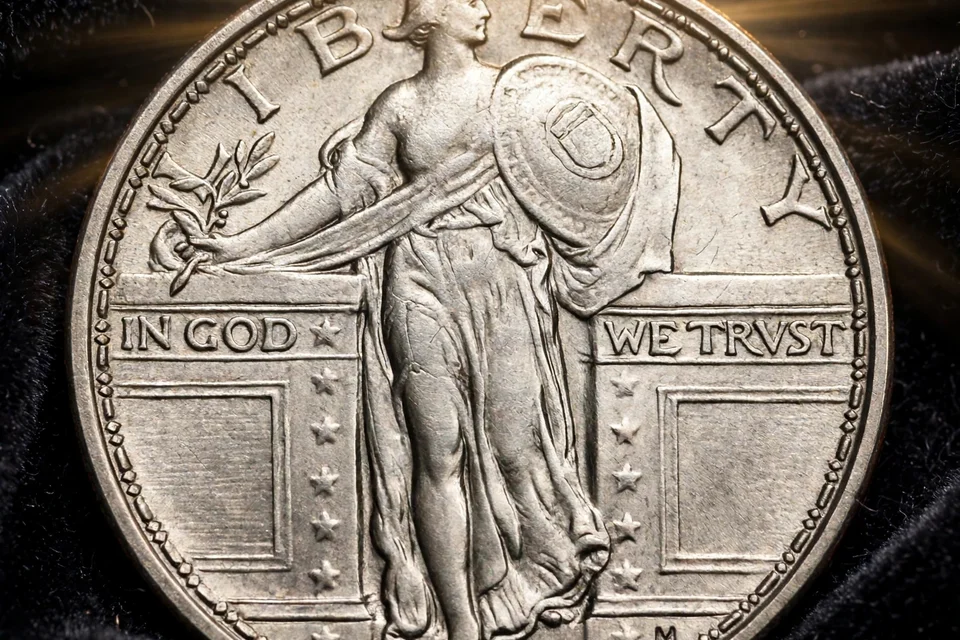
Look at the 8 in the date. Then look again, closer, under a loupe. On the 1918/7-S Standing Liberty quarter, the 8 was punched over a 7, and the old numeral still shows through: a curve of the 7 inside the lower loop of the 8, and doubling along the base of the date. It is one of the most famous overdates in American coinage, and it hides in plain sight on a coin that looks, at a glance, like an ordinary 1918-S.
An overdate is a mistake the Mint could not take back. A die made for 1917 was reused in 1918, the new digit punched over the old one, and the result went into circulation at San Francisco. This page explains what an overdate is, exactly where the 7 shows, and how to separate a genuine 1918/7-S from a regular 1918-S.
What an overdate is
A date on a coin is punched into the die by hand, one digit at a time. When a die from the previous year was still usable, the Mint sometimes punched the new year’s digits over the old ones rather than making a fresh die. The result is an overdate: two years on one coin, the old digit showing through where the new punch did not cover it. On the 1918/7-S, the 8 of 1918 was punched over the 7 of 1917, and the 7 survives as a ghost inside the 8.
The variety is a variety of the 1918-S issue, not a separate mintage. The regular 1918-S was a large-mintage coin, struck in the millions, which makes the overdate’s scarcity stand out: most 1918-S quarters are ordinary, and only a small share carry the 7 underneath. That is the whole appeal of the variety — it is a needle in a large and ordinary haystack, and finding it takes a loupe rather than luck.
Where the 7 shows
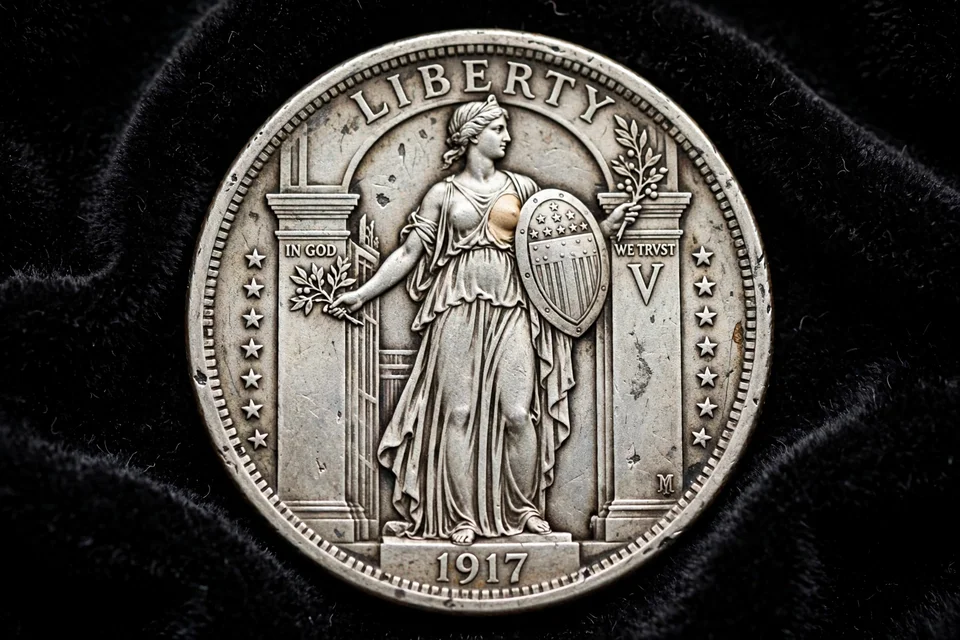
Hold the coin under a loupe and study the 8 in the date. On a genuine 1918/7-S, the lower loop of the 8 carries the curve of the 7, visible as a distinct line inside the loop and as doubling along the base of the digit. The doubling is clearest at the lower left of the 8, where the 7’s diagonal stroke peeks out, and the date as a whole looks slightly thicker and less clean than a normal 1918.
Photograph the date in good light and compare it with a known example of the overdate. Do not decide from a blurry photo, and do not rely on memory alone: the doubling is subtle on worn coins, and a regular 1918-S with a battered date can fool a hopeful eye. If the 7 is there, it is there in the same place every time, and a professional opinion will confirm it.
The mint mark and the type
The S sits on the obverse, to the left of the date just above the rim, as on every Standing Liberty quarter. It marks the coin as a San Francisco product, and it is the first thing to check after the date: a 1918/7 overdate without the S is a different coin entirely, a Philadelphia variety that does not exist in this form. Date, then mint mark, then the 7 — in that order, every time.
The 1918/7-S is a Type 2 coin, struck after the mid-1917 design change, so Liberty wears the chain-mail vest. That matters because it separates the overdate from the 1917 Type 1 coins, which are a different variety story. A bare breast on a coin dated 1918 is a warning sign, not a variety: the Type 1 design was gone by then.
What our guide shows for the 1918/7-S
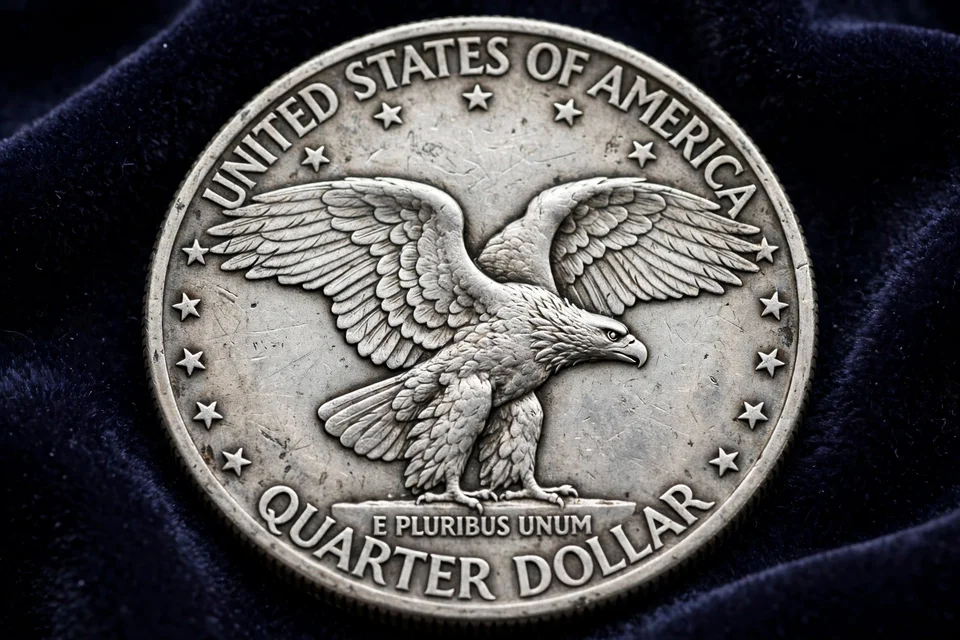
Our value guide has not yet researched grade-by-grade figures for this variety, and the mintage is not yet established in our catalog, so both are shown as “—” here rather than guessed. The variety is the point of this coin, and the variety is documented: an 8 punched over a 7, struck at San Francisco in 1918.
| Grade | Estimated value |
|---|---|
| Good (G-4) | — |
| Fine (F-12) | — |
| Extremely Fine (XF-40) | — |
| About Uncirculated (AU-50) | — |
| Mint State 60 (MS-60) | — |
| Mint State 65 (MS-65) | — |
Guide values reviewed November 5, 2026 — figures update live from our Worker.
What is documented is the shape of the market. Overdates are collected as varieties, and the 1918/7-S is the best-known overdate in the Standing Liberty series. Worn examples with a visible 7 are the ones collectors encounter most often, and uncirculated examples with a sharp overdate and a Full Head are genuinely rare. The 7 is the coin’s identity, and everything else follows from it.
The silver underneath
Every Standing Liberty quarter is 90% silver, struck on a 6.25-gram planchet, 24.3 millimetres across, with a reeded edge and about 0.18 troy ounces of pure silver. That metal gives every genuine example a floor: $9.42. Silver moves daily, so the floor moves with it, but the floor is real — no genuine 1918/7-S is worth less than its metal.
Metal floor updates live from our Worker — last updated November 7, 2026.
Use the weight as a quick test. A genuine coin weighs 6.25 grams on a pocket scale. A light coin, a coin with a soft or uneven edge, or a coin whose surfaces look cast rather than struck should be checked by a professional before any decision is made about it.
Authentication before anything else
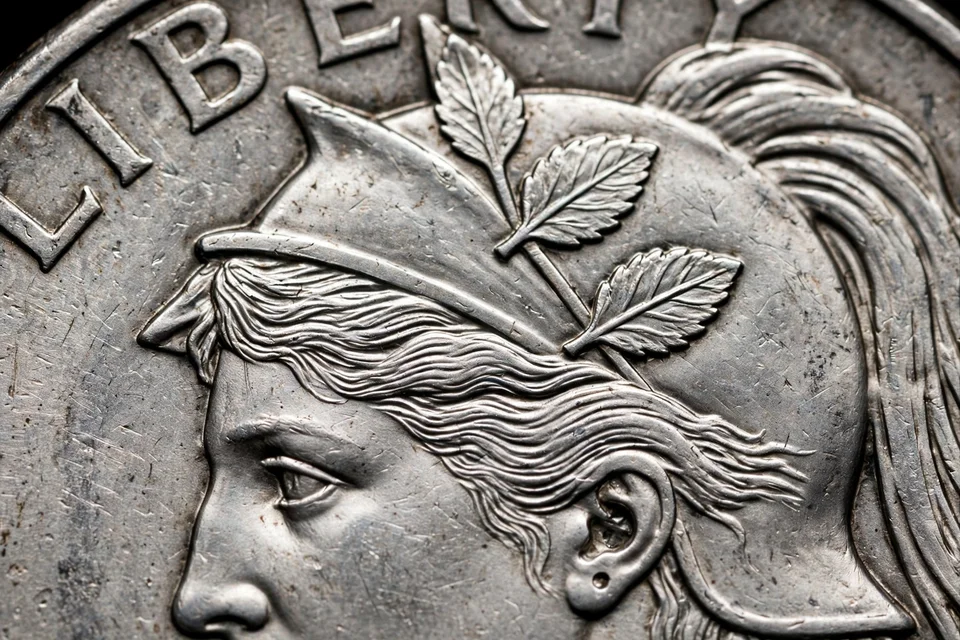
For a variety coin, authentication is not a luxury. It is the step that protects everything else: the variety, the grade, and the worth. A certified example carries a professional opinion that travels with the coin, and for an overdate that opinion is part of what collectors are looking for.
If your coin is raw, handle it by the edges, keep it in an acid-free holder, and do not clean it. Photograph the date in good light before sending it anywhere, and keep a record of where it came from. A variety coin with a clear history and a confirmed 7 is a stronger coin.
Latest reported results for this coin
Checking for newly reported results…
Your questions, answered
What is the 1918/7-S Standing Liberty quarter?
It is an overdate variety of the 1918-S quarter: the 8 in the date was punched over a 7 left from a 1917 die, so the old 7 still shows through inside the 8.
How do I see the 7 on a 1918/7-S quarter?
Under a loupe, look inside the lower loop of the 8: the curve of the 7 shows as a distinct line, with doubling along the base of the digit, clearest at the lower left of the 8.
Where is the mint mark on a 1918/7-S quarter?
The S is on the obverse, to the left of the date just above the rim. Date, then mint mark, then the 7 — in that order, every time.
Is the 1918/7-S Standing Liberty quarter silver?
Yes. Every Standing Liberty quarter is 90% silver, 6.25 grams, with about 0.18 troy ounces of pure silver. The live metal floor for this coin is in the specs section above, and it moves with the silver market.
Should a 1918/7-S quarter be certified?
Yes. Certification settles the variety, guards against wishful reading of a battered date, and is the accepted standard for a famous overdate like this one.
Check your 1918-S
Run the date and mint mark through the free Coin Value Checker for an instant estimate, or get a Grade-or-Not verdict on whether certification is worthwhile. The full series guide is here: Standing Liberty Quarter Value and Key Dates. The first-year coin is the 1916 Standing Liberty Quarter, and the 1917-S Standing Liberty Quarter is the scarce Type 1 of the series.
A 7 hiding inside an 8, a die reused one year too long — the 1918/7-S is proof that the Mint's mistakes are a collector's education, and that the date deserves a loupe before it deserves a verdict.
This guide is for education — learn the coin first, and get a professional opinion before buying or selling.