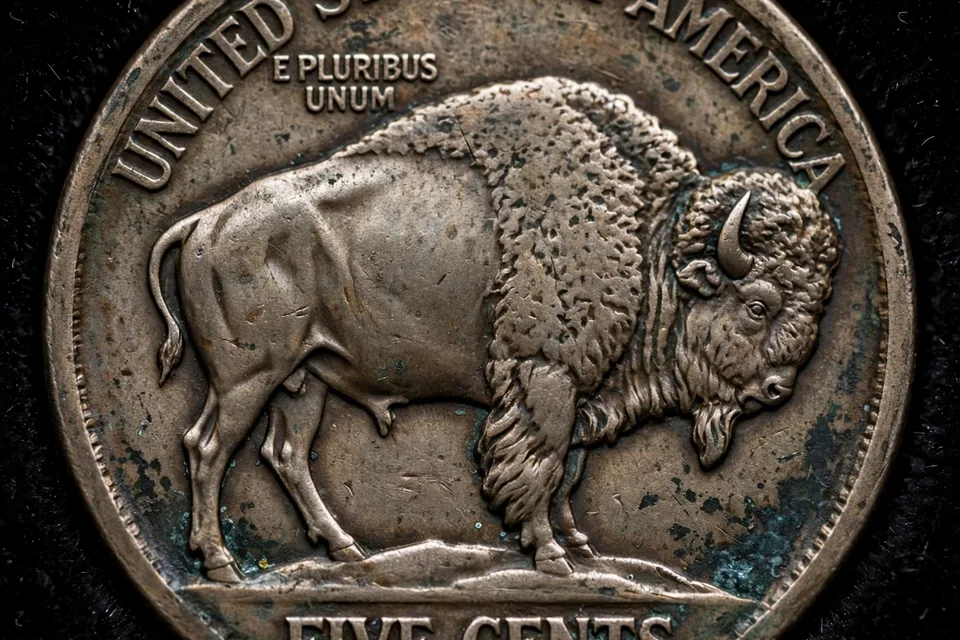
1924-S Buffalo Nickel: Why High Grades Are So Scarce
Coin Encyclopedia · 8 min read · Published November 7, 2026
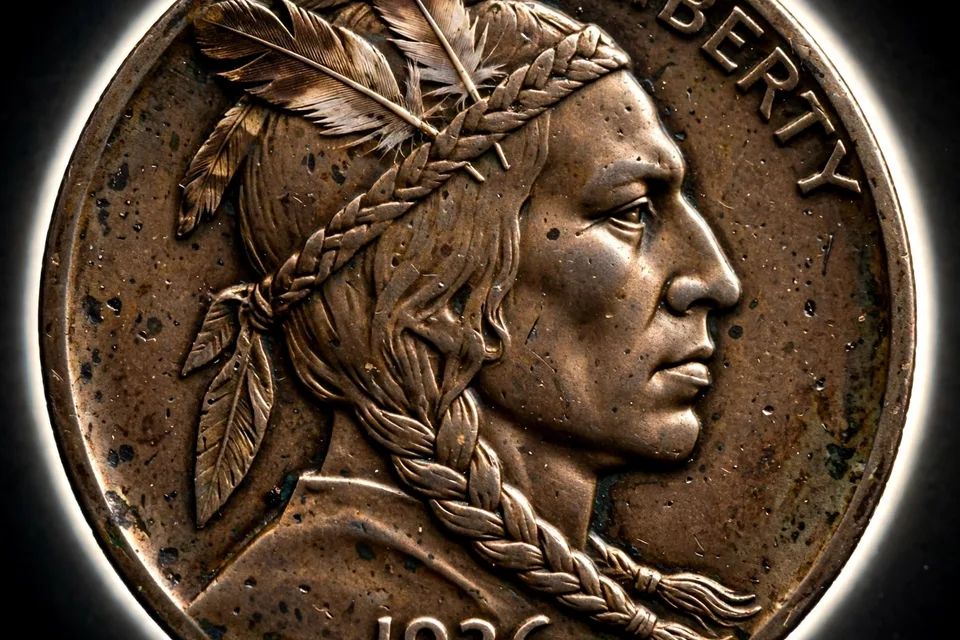
The 1924-S Buffalo nickel is a date with two worth levels, and they barely speak to each other. A worn example is worth $75+ in our guide. The record for the date is $105,750. Between those two figures sits the whole story: San Francisco struck 1,437,000 of these in 1924, almost all of them went into circulation, and almost none of them came back out in high grade. Our guide calls the date tough in high grade, and that phrase is doing a lot of work. It means the coin is not rare worn, but it is genuinely rare unworn, and the gap between the two states is wider on this date than on almost any other Buffalo nickel of the decade.
That gap is what this page is about. If you find a 1924-S, the first job is the same as on every Buffalo nickel: confirm the date, confirm the S, and do not clean it. The second job is different from most dates: judge how much original surface is left, because on this date the surface is the value. A coin with full mint lustre and a sharp strike is a different animal from a coin that merely looks nice at arm’s length.
What “tough in high grade” actually means
Every Buffalo nickel wore down fast, because the date sits high on the portrait’s shoulder and the design is high-relief. But most dates have a saving grace: somebody, somewhere, set a few rolls aside. The 1924-S never got that grace. In 1924 the Buffalo nickel was eleven years old, still ordinary pocket money, and nobody in California was hoarding San Francisco nickels. The coins that left the mint went into tills and pockets and stayed there, and the date wore first, the mint mark second, and the bison’s horn third.
The result is a population shaped like a cliff. Worn examples turn up. Fine examples turn up less often. Uncirculated examples are scarce, and sharply struck uncirculated examples are the coins the $105,750 record belongs to. When you examine a candidate, look at the lustre first: an original uncirculated coin has a frosty, even glow that moves across the surface as you tilt it. A cleaned coin has a dull, washed-out look with fine hairlines under a loupe. The difference is the difference between a scarce coin and a damaged one.
The S, the date, and the horn — in that order
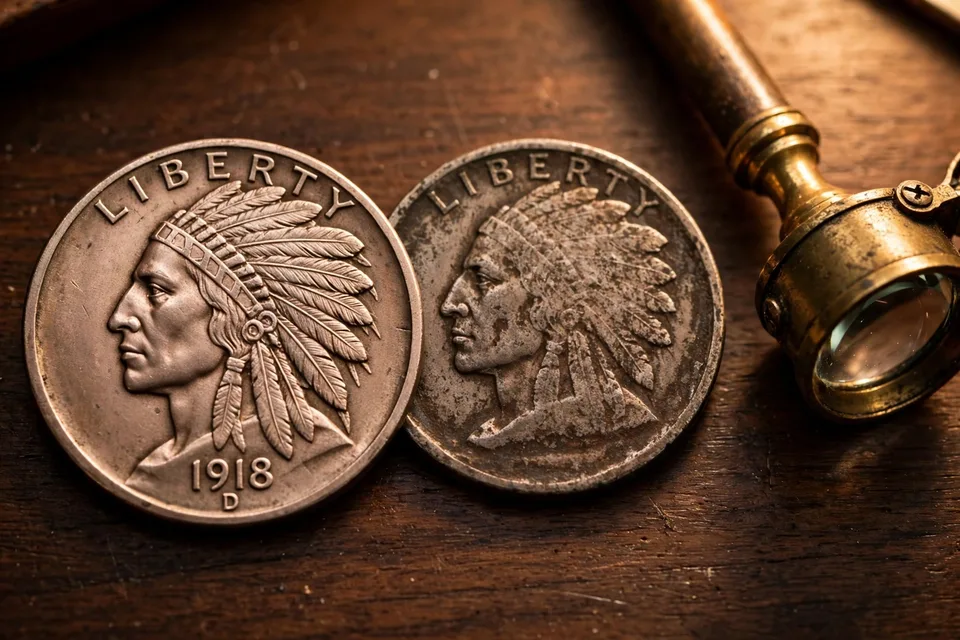
Check the mint mark first, because it is the attribution. The S sits on the reverse, below FIVE CENTS near the bottom rim, and on a worn 1924-S it can be a ghost. Use a loupe and side light, and compare the shape against a known San Francisco Buffalo nickel. Then the date, high on the shoulder, which is the first thing to wear away. Then the horn, which tells you about the strike: San Francisco’s 1920s strikes were often soft, and a 1924-S with a clean, pointed horn is already ahead of most of its date-mates.
Weigh it too. A genuine Buffalo nickel weighs 5 grams and measures 21.2 millimetres across, and a coin that is light or the wrong size is a warning. Then look at the edge, which should be plain and even, and at the overall surface for the hairlines that betray cleaning. A coin that passes all of those checks is worth a professional opinion if it looks uncirculated, because the premium for a certified high-grade 1924-S is large enough to justify the fee many times over.
What our value guide records for this date
Our value guide has not yet researched the 1924-S grade by grade, so the table below is all dashes for now. That is the honest position, and it is the same position as the other unresearched San Francisco dates in this batch: the catalog reviewed November 5, 2026, records the mintage and nothing else for this date, and we will not fill the grades with figures borrowed from elsewhere.
| Grade | Estimated value |
|---|---|
| Good (G-4) | — |
| Fine (F-12) | — |
| Extremely Fine (XF-40) | — |
| About Uncirculated (AU-50) | — |
| Mint State 60 (MS-60) | — |
| Mint State 65 (MS-65) | — |
The mintage is the fact that carries this page, and it is a solid one: 1,437,000 struck at San Francisco in 1924. That is a small run beside the tens of millions Philadelphia struck in the same era, and it is small beside the other dates of the decade. The record our guide carries for the date is $105,750, and the worn floor is $75+. Hold those two figures together and you understand the date: common enough worn to find, rare enough unworn to chase.
1,437,000 coins, almost none saved
The mid-1920s were steady years for the San Francisco Mint, and 1924 was a normal year of production, not a special one. The mint struck what commerce needed and moved on. There were no commemoratives, no special strikings, and no reason for anyone to think a 1924 nickel would one day be a key date. The coins went to work across California and the West, in a decade when a five-cent piece still bought something, and they stayed in circulation until the design wore smooth.
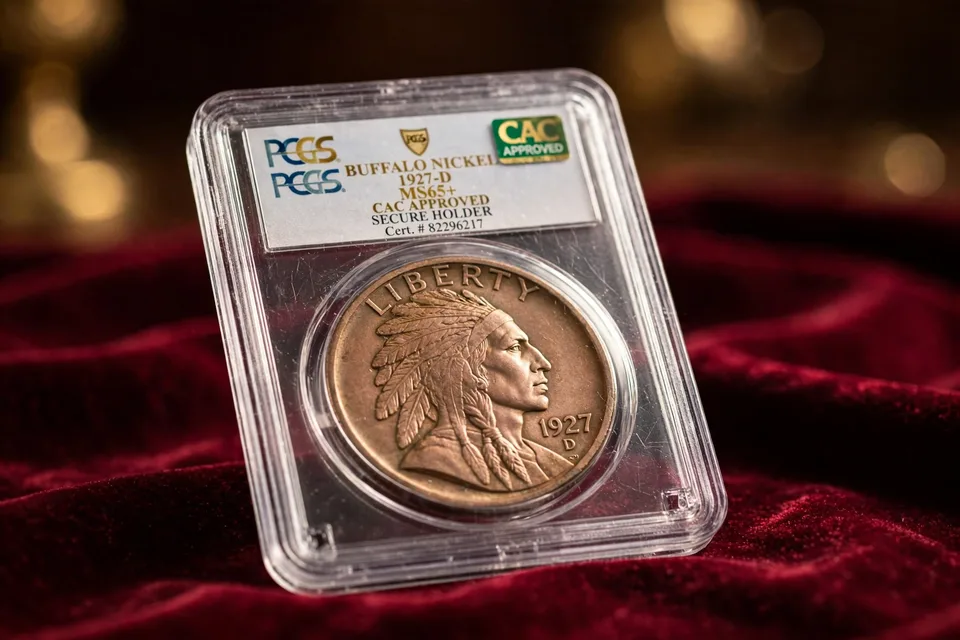
That working life is why the high-grade population is so thin. A coin had to leave circulation early by accident to survive unworn: dropped in a drawer, saved in a jar, carried as a pocket piece and then forgotten. Everything else wore down, and the date wore first. A 1924-S with a full, readable date and a clear S is already a survivor. One with original lustre as well is a coin to keep, and one with a sharp strike on top of that is the coin the record belongs to.
Specs and the metal question
There is no precious metal in this coin. The Buffalo nickel is 75% copper and 25% nickel, weighs 5.0 grams, measures 21.2 millimetres across, and has a plain edge. No silver, no gold — the worth lives entirely in rarity and condition, and on this date condition means high grade above all. The metal floor for this coin is —, because there is no metal floor to show: a worn common-date Buffalo nickel is a five-cent coin, and a worn 1924-S is a scarce date, and the difference is the mintage and the mint mark, not the metal.
Handling, storage, and getting a second opinion
Hold the coin by its edge, never across the faces, and never clean it. Cleaning strips the original surface and leaves hairlines that a grader will spot at once, and on a date where high grade is the whole game, that damage is the difference between a scarce coin and a common one. Keep the coin in an acid-free flip or a proper holder, away from humidity, and do not store it loose with other coins. If the coin looks uncirculated, or if you are unsure about the mint mark, a professional opinion from PCGS or NGC settles both questions at once, and on a tough-in-high-grade date that certainty is worth having.
Latest reported results for this coin
Checking for newly reported results…
Your 1924-S questions, answered
How much is a 1924-S Buffalo nickel worth worn?
Our guide records $75+ for a worn 1924-S, and the record for the date is $105,750. The date is described in our guide as tough in high grade, which means the worn worth and the high-grade worth live in different worlds.
Why is the 1924-S tough in high grade?
Because almost the whole run went into circulation and stayed there, and because San Francisco’s strikes in the 1920s were often soft. A 1924-S that survived unworn is rare; one that survived unworn and sharply struck is rarer still.
Where is the mint mark on a 1924-S Buffalo nickel?
The S sits on the reverse, below the words FIVE CENTS near the bottom rim. It is small and wears early, so a side-lit loupe is the best way to confirm it on a circulated coin.
How many 1924-S Buffalo nickels were struck?
San Francisco struck 1,437,000 in 1924. That is a small run for the decade, and it is the main reason the date commands respect in every grade.
Does our value guide list estimates for the 1924-S yet?
Not yet. All six grades currently show “—” in our catalog, reviewed November 5, 2026. We show the gap rather than guessing, and the table will be completed as the grade-by-grade research is done.
Check your 1924-S
Run the date and mint mark through the free Coin Value Checker for an instant estimate, or get a Grade-or-Not verdict on whether your coin is worth certifying. The full series guide is here: Buffalo Nickels to Look For: 50¢ to $511,875+.
Written to help you identify and enjoy this coin, not as financial advice. Figures come only from our own researched catalog; a single coin’s real worth always depends on its condition, its strike, and the market on the day.
This guide is for education — learn the coin first, and get a professional opinion before buying or selling.