1931-D Mercury Dime: A Depression Sleeper Worth Hunting
Coin Encyclopedia · 7 min read · Published November 7, 2026
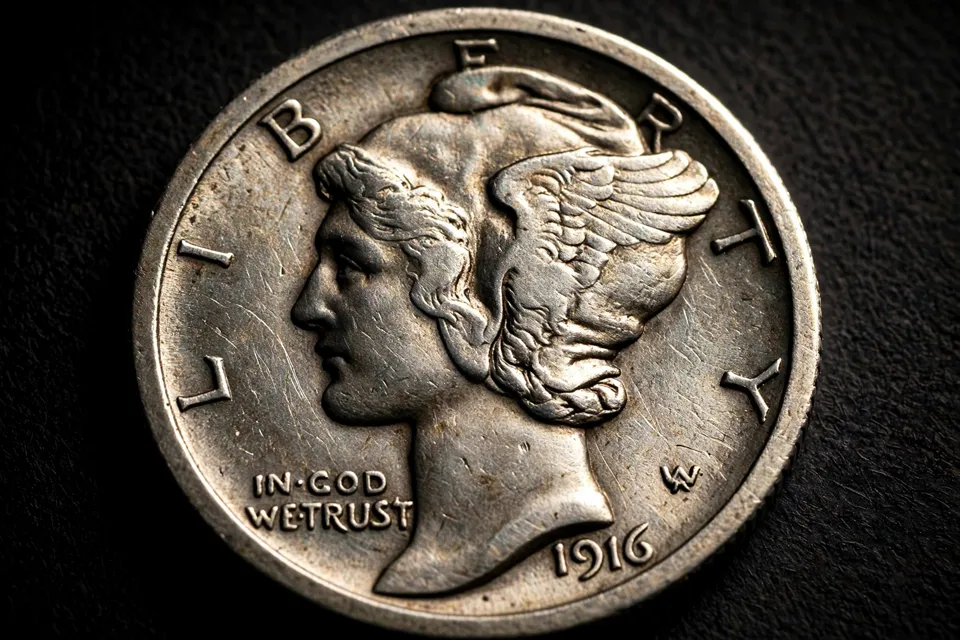
Denver struck 1,260,000 Mercury dimes in 1931, in the depths of the Great Depression, and that number makes the 1931-D one of the lowest-mintage Mercury dimes ever struck. It sits beside the 1921 and the 1921-D in the mintage table, and it is far less famous than either of them — which is exactly why it is a sleeper. The coins circulated hard, few were saved, and the date is scarce in every grade above worn.
There is an honest gap on this page, and it belongs up front: our guide has not researched grade values for the 1931-D yet, so the grade table below shows “—” rather than invented figures. The live results panel near the bottom of this page checks for newly reported results every time it loads, and that is where current figures for this date appear. What follows is everything that can be said without guessing: the mintage, the history, the identification, and the grading.
The Depression reaches the Denver Mint
By 1931 the Depression had settled over the whole country. Banks were failing, unemployment was climbing past a fifth of the workforce, and the Mint’s job had shrunk to striking only what commerce actually needed. Denver’s 1,260,000 dimes in 1931 were struck for a Mountain West economy that was running on very little cash, and most of them went straight into circulation — into pay envelopes, shop tills, and bus fares — where they stayed for decades.
Compare that with the 1921-D, struck in the short recession a decade earlier. Both dates are low-mintage Denver keys, but the 1931-D comes from a longer, deeper crisis, and its survivors show it: the coins are usually found worn, often heavily, with soft high points and the kind of honest circulation wear that no cleaning can fake and no polish can restore. A crisp 1931-D is a coin that escaped a decade of hard use, and very few did.
What a 1931-D Mercury dime is worth by grade
Our guide has not researched grade values for the 1931-D yet, and the table below says so plainly. A dash is not a zero and it is not a guess — it is a gap, and this page would rather show the gap than invent a figure for it.
| Grade | Estimated value |
|---|---|
| Good (G-4) | — |
| Fine (F-12) | — |
| Extremely Fine (XF-40) | — |
| About Uncirculated (AU-50) | — |
| Mint State 60 (MS-60) | — |
| Mint State 65 (MS-65) | — |
Guide values reviewed November 5, 2026 — figures update live from our Worker.
The live module on this page checks our Worker for reported results for this exact date and grade on every load. When a verified result exists for a grade, it appears in the table above; until then, the dash stands.
What can be said without a number is the shape of the market. A low-mintage Denver dime from a Depression year behaves like its neighbours: worn examples trade as scarce-date silver, and Mint State examples are rare enough that each one is valued on its own merits. The mintage of 1,260,000 is the anchor — it is the lowest Mercury mintage of the 1930s, and the market has never forgotten a low mintage.
How to grade a 1931-D
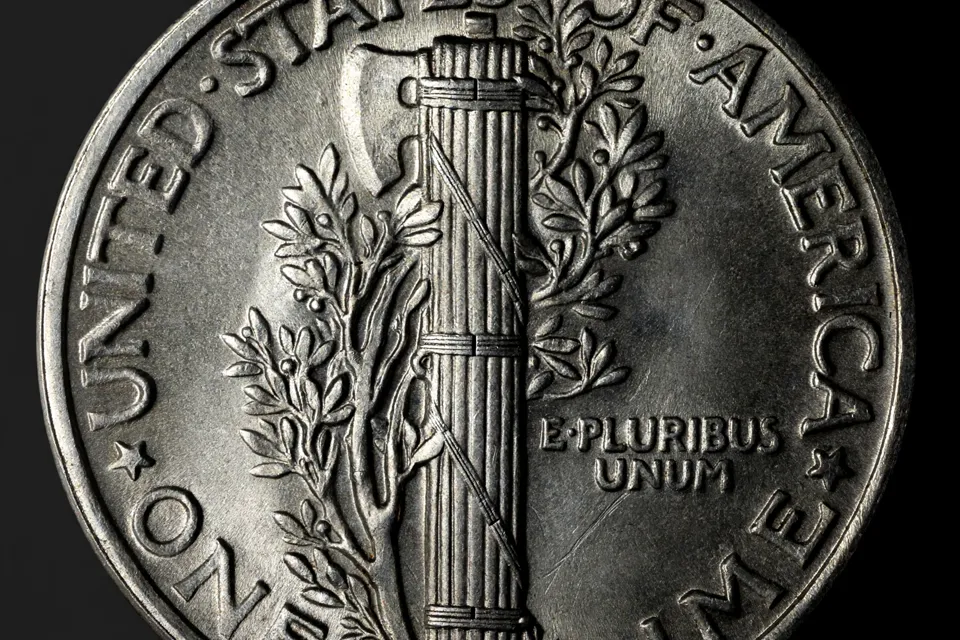
Grade a Mercury dime by the portrait and the bands together. On the obverse, look at Liberty’s hair above the eye and the feathers of the winged cap: on a worn coin they are soft and merged, on a sharp coin each strand is distinct. On the reverse, look at the three bands of the fasces: on a sharply struck Mint State coin the middle band splits into two clean lines, the Full Bands designation, and on a worn coin the bands are flat and blended.
On the 1931-D, add a third check: originality. Depression-era dimes that survived in high grade usually did so because someone put them away early, and they carry original surfaces — soft grey toning, full cartwheel lustre under a single light, no flat or dull spots on the cheek. A cleaned 1931-D, however sharp it looks, trades near the silver floor no matter what the bands say. Never dip, polish, or scrub one: cleaning strips the surface and destroys collector value instantly.
The D check
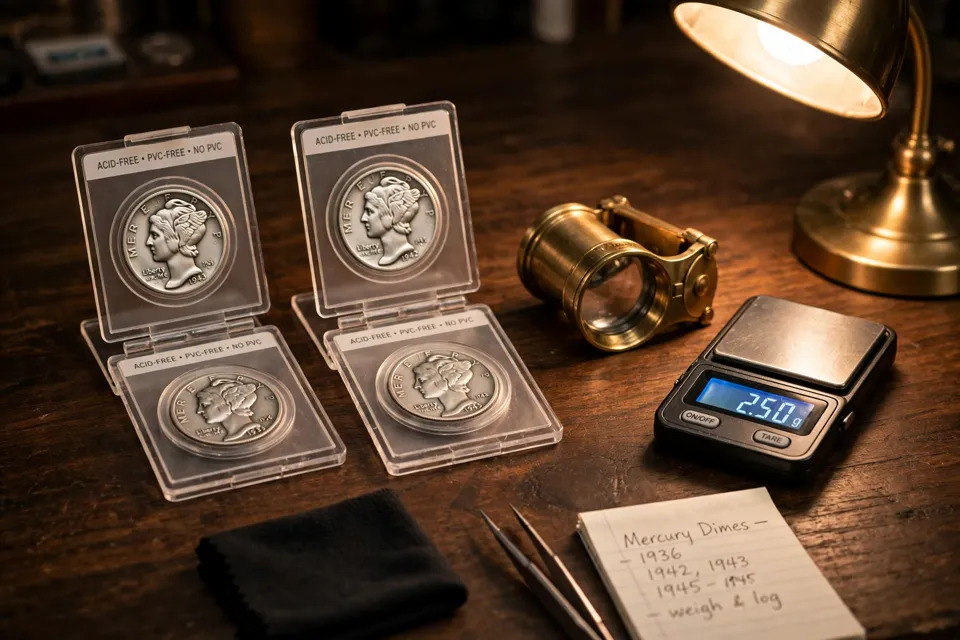
On a Mercury dime the mint mark sits on the reverse, low on the left beside the fasces near the rim — D for Denver, S for San Francisco, and no letter for Philadelphia. A 1931 Philadelphia dime is a common silver coin struck in the tens of millions; a 1931-D is the 1,260,000-mintage Depression date of this page. The letter is the entire difference, and it is small enough to need a loupe.
An added D is the risk on every Denver key date, and the 1931-D is no exception. Check the mint mark’s position and depth against a known genuine example: a real D is crisp, correctly placed, and struck at the same depth as the rest of the design, while an added D often shows tool marks in the metal around the letter or sits too high, too shallow, or at the wrong angle. Weigh the coin as well — a genuine Mercury dime is exactly 2.5 grams, and a cast copy feels light and often shows tiny bubbles or seams under magnification.
Specs and the silver floor
Under the scarcity, the 1931-D is a standard Mercury dime: 90% silver and 10% copper, 2.5 grams, 17.9 millimetres across, with 0.07234 troy ounces of pure silver — about $3.77 at the November 2026 silver level near $52.07 an ounce. The series ran from 1916 to 1945 to the design of Adolph A. Weinman, before the Roosevelt dime replaced it.
Metal floor updates live from our Worker — last updated November 7, 2026.
That silver floor is the safety net under every 1931-D. Even a heavily worn example never falls to face value, and a genuine example in any grade is worth more than the ten cents stamped on it. The rest of its worth is the mintage, the mint mark, and the grade — in that order.
Verified auction records
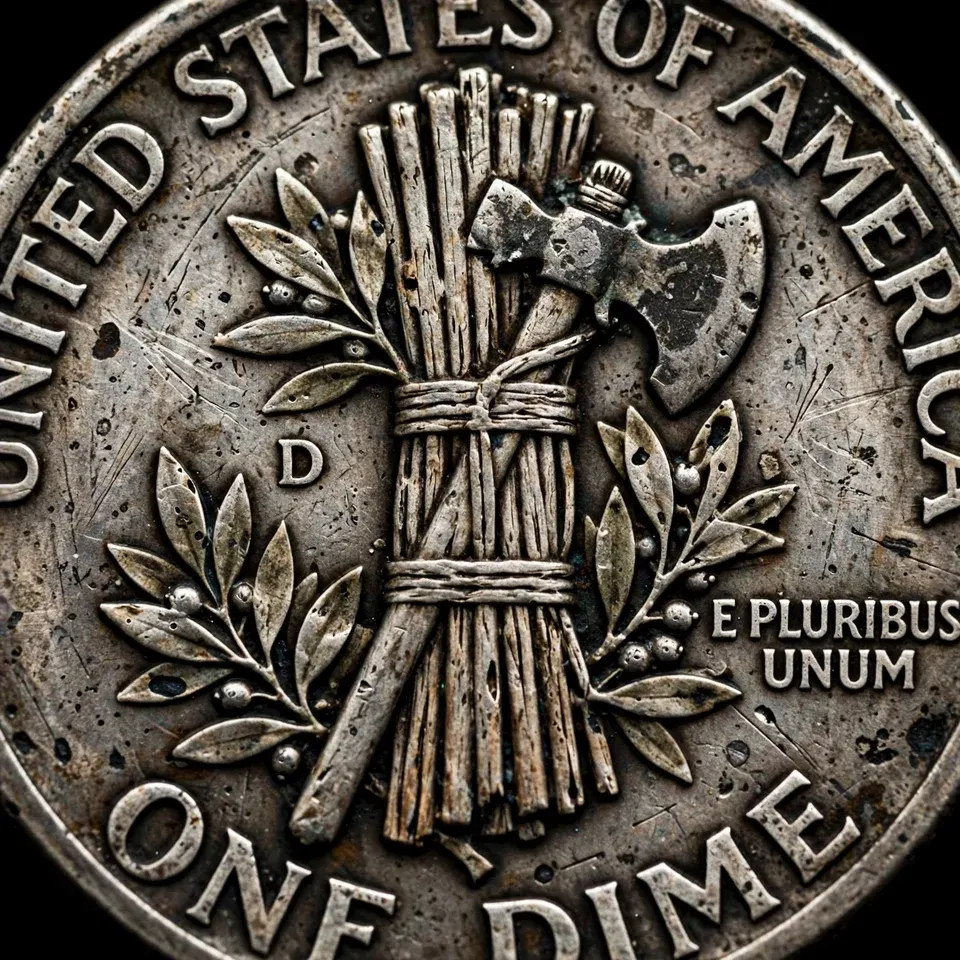
No standalone record for the 1931-D sits in our verified records file. The series record belongs to the 1916-D: a Mint State 67 Full Bands example that reached $207,000 at Heritage in August 2010. That figure describes a single coin in the finest known grade, not this date — and it is not a guide to what a 1931-D is worth.
For this date, the honest measure is the live results panel below, which checks for newly reported results every time the page loads. A Depression-year Denver dime in high grade appears rarely enough that each appearance is news, and the panel is where that news lands first.
Latest reported results for this coin
Checking for newly reported results…
Your 1931-D Mercury dime questions, answered
How much is a 1931-D Mercury dime worth?
Our guide has not researched grade values for the 1931-D yet, so the grade table above shows — rather than invented figures. The live module on this page checks for newly reported results on every load, and the metal floor in the specs section is the minimum any genuine example carries.
Why is the 1931-D Mercury dime scarce?
Denver struck just 1,260,000 in 1931, in the depths of the Great Depression — one of the lowest Mercury mintages ever. Most went straight into circulation and wore down hard, so crisp survivors are rare.
How do I tell a 1931-D from a 1931 Philadelphia dime?
Look at the reverse, low on the left beside the fasces. A D means Denver; no letter means Philadelphia. The Philadelphia issue was struck in the tens of millions and is a common silver coin.
Is the 1931-D Mercury dime silver?
Yes. Every Mercury dime dated 1916 to 1945 is 90% silver, with 0.07234 troy ounces of pure silver. The live metal floor for this coin is in the specs section above.
Should I get my 1931-D certified?
Yes, if its condition suggests it could clear the grading fee. Certification settles the mint mark question, locks in the grade, and is where the premium is paid — especially in Mint State, where the bands decide the value.
Check your 1931-D
Run the date and mint mark through the free Coin Value Checker for an instant estimate, or get a Grade-or-Not verdict on whether your coin is worth certifying. The full series guide is here: Mercury Dime Values: 1916-D, Full Bands & $207,000+ Records.
Written for the hunt: the 1931-D is the Depression sleeper of the Mercury series, and this guide exists so the next one found gets its mint mark checked before it is spent.
This guide is for education — learn the coin first, and get a professional opinion before buying or selling.