1982-D Copper Small Date Penny: The $18,800 Mistake
Coin Encyclopedia · 9 min read · Published November 7, 2026
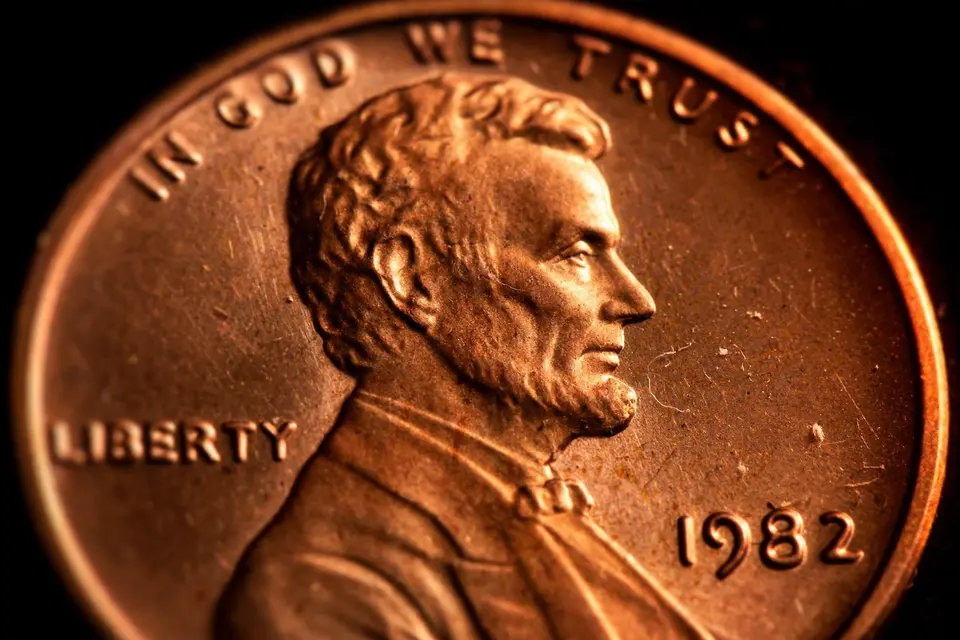
The 1982-D copper Small Date penny should not exist. In 1982, the Mint switched the cent from solid copper to copper-plated zinc in the middle of the production year, and Denver's Small Date cents were struck on zinc planchets. A 1982-D cent with the Small Date style that weighs 3.11 grams — solid copper — should never have left the Mint. Yet two of them have been authenticated by the major grading services, and an AU-58 example reached $18,800, with the second known specimen bringing $10,800.
This page is about the switch that made the error possible, the two tests that identify it — the date style and the scale — and why a coin that weighs 3.11 grams in the wrong year is one of the most valuable modern Lincoln cents ever found. If you have a 1982-D cent, weigh it before you spend it. The scale is the whole coin.
The switch from copper to zinc
In the early 1980s, rising copper prices made the solid copper cent too expensive to strike — the metal in the coin was worth close to its face value, and the Mint was losing money on every cent. The answer was copper-plated zinc: a zinc core with a thin copper coating, weighing 2.5 grams instead of 3.11, and costing far less to make. The switch happened in the middle of 1982, which is why that year is the most interesting in the Lincoln cent's history: seven distinct varieties were struck as the Mint changed metal and date style at the same time.
Denver's part of the switch is the story. Denver struck Large Date and Small Date cents in both metals as the changeover ran, and the plan was simple: the Small Date cents would be zinc. A couple of leftover copper planchets found their way into the presses as Denver switched to zinc Small Date production, and the result was a coin that should not exist — a 1982-D Small Date cent struck on a copper planchet, weighing a full 3.11 grams.
The error is called transitional, because the coin is right in every way except the metal it was struck on. The date is right, the mint mark is right, the design is right — only the planchet is wrong, left over from the metal before the switch. Transitional errors are the rarest kind of mistake the Mint makes, because they need two things to go wrong at once: the wrong planchet, in the right press, at the moment of change.
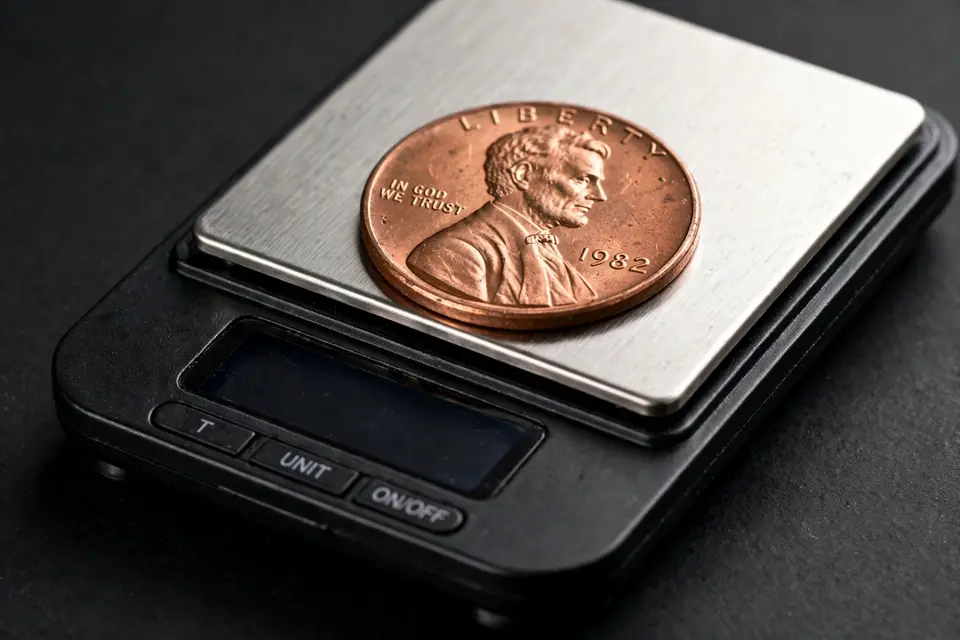
Small Date versus Large Date
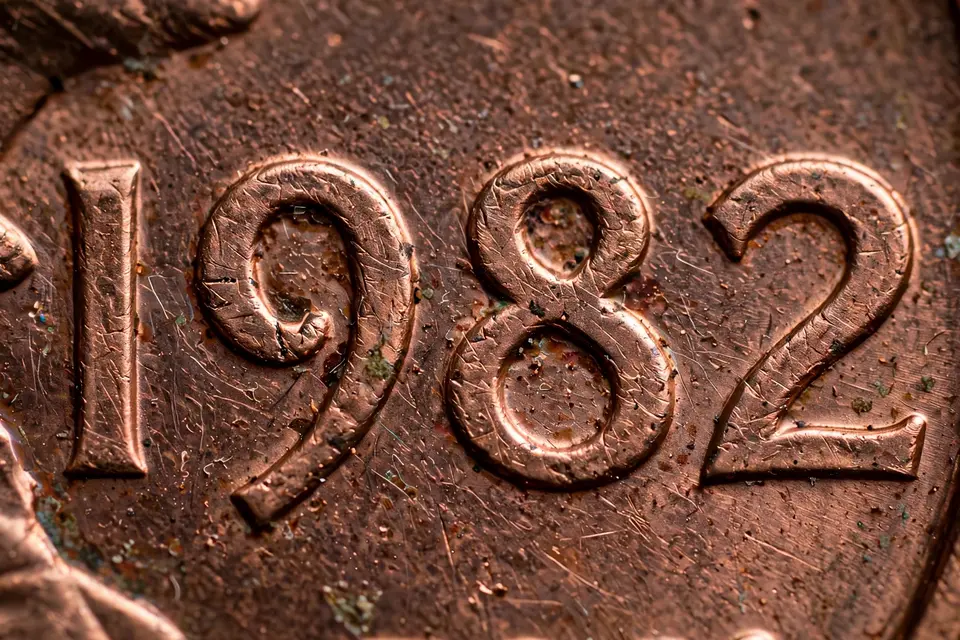
The first test is the date style. The 1982 cent comes in two date styles: Large Date and Small Date. The difference is in the 2 — the Small Date has a curved base on the 2, sweeping up like a swan's neck, while the Large Date has a straight, blocky 2. The Small Date digits are also smaller and more delicate overall, sitting a little higher in the field. Once you have seen both styles side by side, the split is easy to hold in your head, and it is the first thing to check on any 1982-D cent.
Read the date under a 10x loupe, and compare against a reference image at the same size. The 2 is the diagnostic — curved base means Small Date, straight base means Large Date — and the rest of the date follows it. A 1982-D Large Date in copper is a normal coin from the changeover year, worth little. A 1982-D Small Date in copper is the error, and it is worth a scale test before anything else is said about it.
The scale test
The second test is the scale, and it is the one that decides everything. Copper cents weigh 3.11 grams. Zinc cents weigh 2.5 grams. Use an inexpensive digital jewelry scale that reads to at least 0.01 grams — a kitchen scale is not precise enough — and weigh your 1982-D Small Date cent. A coin at 3.11 grams is copper. A coin at 2.5 grams is zinc. There is no middle ground, and there is no argument: the weight is the metal, and the metal is the error.
One practical tip: zinc cents are vulnerable to zinc rot — once the thin copper plating breaks, the zinc core corrodes and the coin swells and blisters. A 1982-D Small Date cent that shows blistering or a swollen surface is zinc, not copper, and the scale will confirm it. A copper cent does not rot that way. The scale test is cheap, fast, and conclusive, and it is the first thing every collector checks on a 1982 cent.
And if your coin weighs 3.11 grams, stop. Do not clean it, do not spend it, and do not accept an offer on it without certification. A raw 3.11-gram coin is worth a fraction of a certified one, because the error rests entirely on certification by a major grading service. The two known examples were both authenticated before they reached their figures, and yours would need the same.
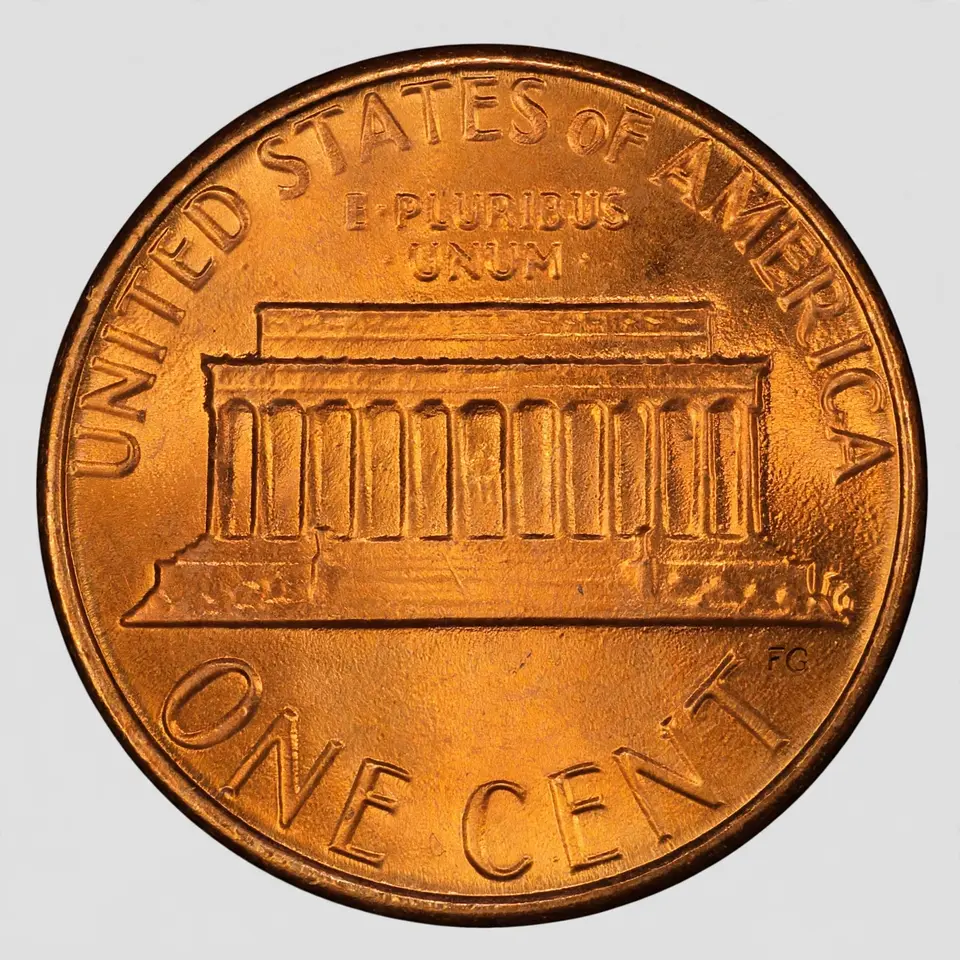
Two coins, two results
Our 1982 guide records the two known examples plainly. An AU-58 example reached $18,800, and the second known specimen brought $10,800. Two coins, two figures, and a gap that shows how much condition matters even on a coin this rare: the AU-58 — About Uncirculated, sharp and original — is worth nearly twice the second specimen, because it is the better of the two.
The figures also show what the error is worth in context. The 1982-D copper Small Date is not a six-figure coin like the 1969-S doubled die, and it is not a $1.7 million coin like the 1943 copper penny. It is an $18,800 coin — the most valuable modern Lincoln cent most collectors will ever have a chance of finding, and the reason every 1982-D cent in every jar and roll deserves a weigh-in. With nearly 17 billion 1982 cents struck across all varieties, the coins are still out there. The scale is the only thing standing between them and the error.
The coin at a glance
Designer Victor David Brenner, with Frank Gasparro's Lincoln Memorial reverse. Struck 1982 at Denver only. Composition copper, 95 percent copper with 5 percent zinc — the pre-switch alloy — at 3.11 grams, against 2.5 grams for the normal copper-plated zinc Small Date cent. Diameter 19 millimetres, plain edge. Obverse: Lincoln facing right, Small Date 1982 with a curved-base 2, D mint mark below the date. Reverse: Lincoln Memorial, UNITED STATES OF AMERICA above, ONE CENT below. Mintage: the error is a variety within the 1982-D mintage, not a separate mintage — the catalog carries no separate figure for it, and only two examples have been authenticated. Metal floor: —. A copper cent carries no precious-metal floor, so the live system shows no melt figure for this coin — its worth is collector value alone.
The 1982-D copper Small Date is the coin that should not exist, and the reason to weigh every 1982-D cent you handle. Learn the curved 2, learn the scale, and never spend a 3.11-gram Small Date without certification.
What it is worth by grade
Our guide has not yet researched grade-by-grade estimates for the 1982-D copper Small Date — the table below shows “—” for every grade rather than a guess. The two known examples are the honest guide to this coin's standing: an AU-58 at $18,800 and the second specimen at $10,800.
| Grade | Estimated value |
|---|---|
| Good (G-4) | — |
| Fine (F-12) | — |
| Extremely Fine (XF-40) | — |
| About Uncirculated (AU-50) | — |
| Mint State 60 (MS-60) | — |
| Mint State 65 (MS-65) | — |
Guide values reviewed November 5, 2026 — figures update live from our Worker.
Latest reported results for this coin
Checking for newly reported results…
Your 1982-D copper Small Date questions, answered
How much is a 1982-D copper Small Date penny worth?
Our guide has not yet researched grade-by-grade estimates for the 1982-D copper Small Date, so this page carries no estimated value by grade. What is verified is the two known examples: an AU-58 reached $18,800 and the second known specimen brought $10,800, as recorded in our 1982 guide. A raw 3.11-gram coin is worth a fraction of a certified one.
How do I know if my 1982-D penny is the copper Small Date?
Two tests, in order. First the date style: the Small Date has a curved-base 2, while the Large Date has a straight, blocky 2. Then the scale: copper cents weigh 3.11 grams, zinc cents weigh 2.5 grams. A 1982-D Small Date cent at 3.11 grams is the error. Use a digital jewelry scale that reads to at least 0.01 grams.
Why does the 1982-D copper Small Date exist?
Denver switched from copper to copper-plated zinc in the middle of 1982, and a couple of leftover copper planchets found their way into the presses as Denver switched to zinc Small Date production. The coin is a transitional error — right in every way except the metal it was struck on.
How many 1982-D copper Small Date pennies exist?
Only two have been authenticated by the major grading services. The error is a variety within the 1982-D mintage, not a separate mintage, so the catalog carries no separate figure for it. With nearly 17 billion 1982 cents struck across all varieties, more may exist unauthenticated — which is why every 1982-D cent deserves a weigh-in.
What is the difference between a copper and a zinc 1982 penny?
Weight. Copper cents weigh 3.11 grams; zinc cents weigh 2.5 grams. The Mint switched the cent from solid copper to copper-plated zinc in the middle of 1982 because rising copper prices made the old cent too expensive to strike. The scale settles it — a kitchen scale is not precise enough.
Check your 1982-D penny
Run the date through the free Coin Value Checker for an instant estimate, or work the date style through the Error Coin Identifier step by step. The full 1982 guide is here: How Much Is a 1982 Penny Worth?. Compare the other great transitional error — the 1943 Copper Penny — and the other famous doubled dies, the 1955 Doubled Die.
This guide is written so collectors can test their own 1982-D cents — by date style and by scale — and use that knowledge before any individual coin is judged.