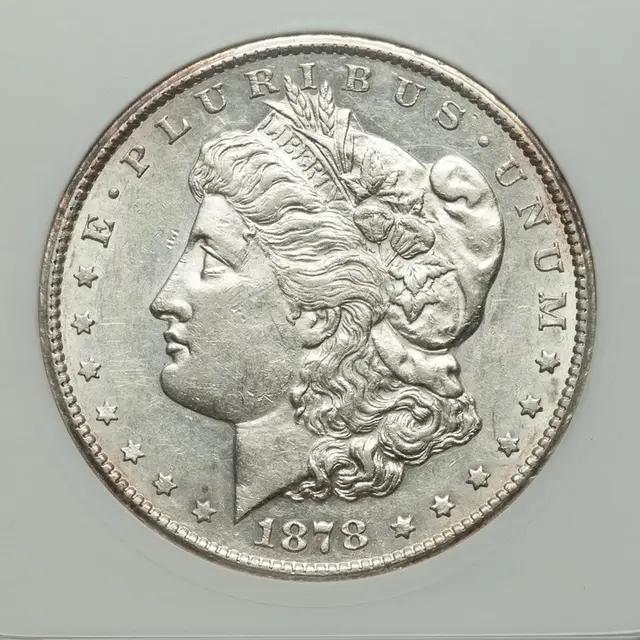
1879-CC Morgan Dollar: Clear CC or Capped Die?
Coin Encyclopedia · 9 min read · Published November 7, 2026
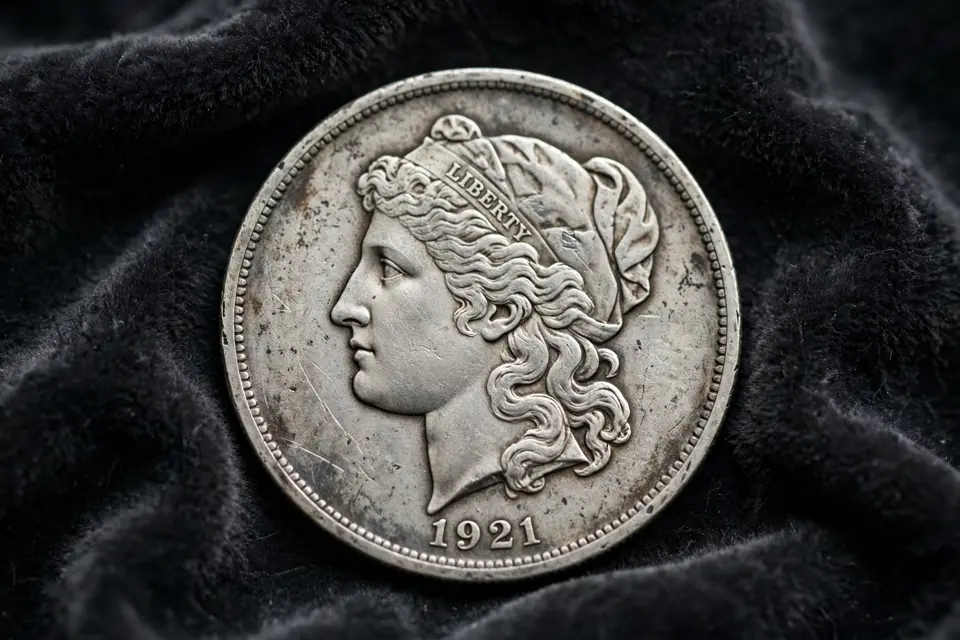
Only 756,000 Morgan dollars left the Carson City Mint in 1879, and that number alone makes this date a different animal from the 1878-CC that came before it. Where the first-year CC was struck in the millions, the 1879-CC is a low-mintage date from a mint that was already winding down its silver-dollar output. Most of those 756,000 coins went into Western circulation and never came back in collectible condition, which is why the 1879-CC has carried a key-date reputation for as long as anyone has collected Morgans.
But the mintage is only half the story. Collectors split the 1879-CC into two varieties — the Clear CC, with a clean, sharp mint mark, and the capped die, where a piece of metal stuck to the die left a distinctive raised, cap-like mark on the coin. The capped die variety is the scarcer of the two, and telling them apart is a loupe-and-patience exercise that every CC collector eventually learns.
Clear CC or capped die: how to tell
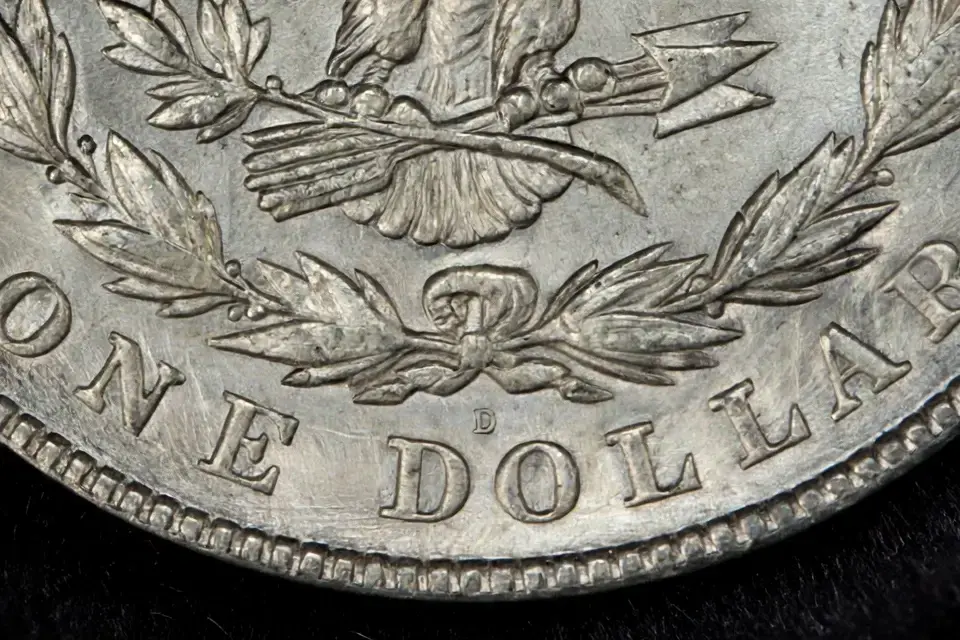
Start on the reverse, below the wreath. On a Clear CC example, the two letters are crisp and fully formed, struck cleanly into the field. On a capped die example, the mint-mark area shows a raised, irregular cap of metal — the signature of a die that kept striking with a piece of a previous coin stuck to its face. The mark is not damage done after striking; it happened at the mint, during striking, and it is part of the coin's identity. Specialists study the exact shape and position of the cap, and the variety commands a premium over the Clear CC at every grade.
A word of caution: a damaged or altered mint mark is not a capped die. A genuine capped die shows a raised, struck-in feature with the same lustre and surface as the rest of the coin. A mint mark that has been tooled, scratched, or punched afterwards shows disturbed metal, broken lustre, and edges that do not match the strike. When in doubt, a specialist's opinion is worth more than a guess.
What we know, and what we do not
This is the honest part of the page, and it matters. Our November 2026 review holds no researched grade figures for the 1879-CC at any of the six grades — G-4, F-12, XF-40, AU-50, MS-60, and MS-65 are all dashes in the table below. That is not a statement that the coin is worthless; it is a statement that this guide has not yet researched figures it can stand behind, and it will not invent them.
| Grade | Estimated collector value |
|---|---|
| G-4 | — |
| F-12 | — |
| XF-40 | — |
| AU-50 | — |
| MS-60 | — |
| MS-65 | — |
A dash (—) means our November 2026 review holds no researched figure for that grade yet — it is a gap in our data, not a zero. Figures are collector estimates, reviewed November 5, 2026.
What can be said safely is this: the floor under any genuine 1879-CC is its silver — the live metal floor in the specs section — plus a substantial premium for the CC mint mark and the low mintage at every grade. Worn examples trade well above the floor, and uncirculated examples — especially capped die examples — are major coins. For a current figure on a specific coin, the Coin Value Checker and a professional opinion are the right next steps, not a guessed number on a page.
Carson City, one year on
Carson City is the mint mark collectors dream about, and the story explains why. The mint was built beside the Comstock Lode in Nevada and struck Morgans from the first year of the series until its closing in 1893. Western circulation wore most of its coins down, which is why uncirculated CC dollars are so much scarcer than their mintages suggest. The famous government releases of the 1970s put thousands of bag-stored CC dollars into collectors' hands at once, many still in their original government holders, and those holders remain a familiar sight at any coin show today.
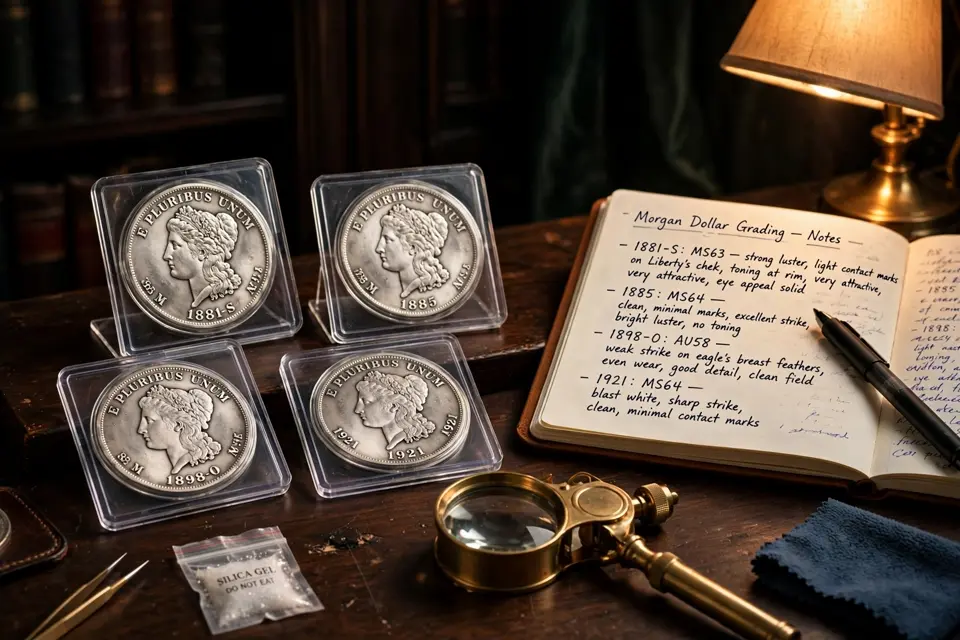
By 1879 the Comstock's best years were already behind it, and the mint's output was falling. The 1879-CC's 756,000 mintage is the smallest of the early CC Morgans, and it marks the moment the mint's Morgan production shifted from generous to scarce — a shift that never reversed.
Grading a low-mintage CC dollar
Grading a Morgan starts in three places: Liberty's cheek, the hair above her ear, and the eagle's breast feathers on the reverse. On a mint-state coin those areas are fully struck and covered in cartwheel lustre that rolls across the surface when you tilt the coin under a light. The first wear shows as a flat, dull patch on the cheek and on the high points of the hair curls; the breast feathers go soft next. A coin with full lustre and no wear is mint state, and from there the grade is a question of marks, strike, and eye appeal.
With a date this scarce, the grade matters more than usual, and so does originality. A worn 1879-CC with honest, even toning and no cleaning is a better coin than a shinier one that has been dipped or polished. Look for the cheek and hair detail first, then the eagle's breast, and remember that a weak strike from a tired CC die is not the same as wear.
Specs and the silver floor
Every Morgan dollar shares the same bones: 26.73 grams, 38.1 millimetres across, a reeded edge, and 90% silver with 10% copper, which works out to 0.7734 troy ounces of pure silver in each coin. That metal is the floor under every genuine Morgan, however worn: $40.27. George T. Morgan designed both sides: Liberty in a Phrygian cap on the obverse, a heraldic eagle in a wreath on the reverse, and the mint mark, when there is one, tucked below the wreath on the reverse.
Metal floor updates live from our Worker — last updated November 7, 2026.
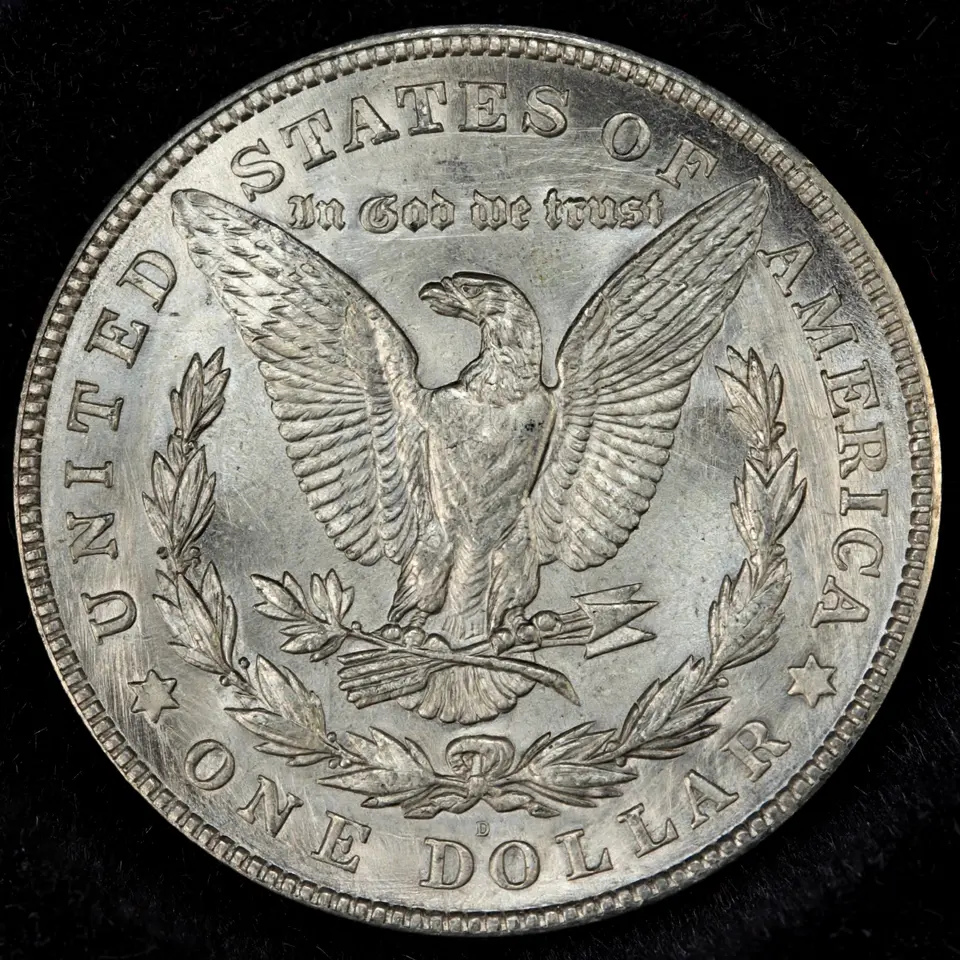
The silver floor is the least interesting thing about this coin, and that is the point. At 756,000 struck, the 1879-CC's value lives in its mint mark, its mintage, and its variety — not in its metal.
Before you trust a capped die
Before you celebrate a find, run the three cheap tests. A genuine dollar weighs 26.73 grams and spans 38.1 millimetres — most fakes fail on weight alone. A magnet should not grab it, because silver is not magnetic. And a loupe should show sharp, confident lettering and stars; mushy, rounded details and a pitted surface are the fingerprints of a cast copy. None of these tests replaces professional authentication for a coin worth real money, but together they catch the great majority of fakes.
The capped die variety is faked by altering ordinary Clear CC coins, so the authentication checks matter twice as much here. Weight, diameter, magnet, and loupe first — and for a coin claimed as a capped die, certification is not optional, it is the whole point.
Latest reported results for this coin
Checking for newly reported results…
1879-CC Morgan dollar questions, answered honestly
How much is an 1879-CC Morgan dollar worth?
Our guide holds no researched grade figures for the 1879-CC yet — all six grades are shown as dashes rather than guesses. The live metal floor is in the specs section, and the CC mint mark plus the 756,000 mintage add a substantial premium at every grade. Use the Coin Value Checker or a professional opinion for a current figure on a specific coin.
What is the capped die variety of the 1879-CC?
The capped die is a variety where a piece of metal stuck to the die during striking, leaving a raised, cap-like mark near the mint mark on the reverse. It is scarcer than the Clear CC variety and commands a premium. The mark was struck into the coin at the mint — it is not damage done afterwards.
How do I tell Clear CC from capped die?
Look below the wreath on the reverse with a loupe. A Clear CC shows two crisp, fully formed letters. A capped die shows a raised, irregular cap of metal in the mint-mark area, with the same lustre and surface as the rest of the coin. Altered mint marks show disturbed metal and broken lustre instead.
What is the mintage of the 1879-CC Morgan dollar?
Carson City struck 756,000 Morgan dollars in 1879 — the smallest mintage of the early CC Morgans, and far below the 2,212,000 struck in 1878. Most circulated hard in the West, so collectible survivors are scarce.
Is the 1879-CC Morgan dollar a key date?
Yes. The combination of a low mintage, heavy Western circulation, and the scarcer capped die variety has made the 1879-CC a recognised key date among Carson City Morgans for generations.
Should I get my 1879-CC Morgan graded?
Yes — more so than for most dates. Certification confirms the CC mint mark is genuine, identifies the Clear CC or capped die variety, and gives the coin a grade the market can trust. For a date with no researched figures in our guide yet, an independent grade is the most useful thing you can have.
Check your 1879-CC Morgan
Run the date and mint mark through the free Coin Value Checker for an instant estimate, or get a Grade-or-Not verdict on whether your coin is worth certifying. The full guide is here: 1921 Morgan Dollar Value: $40 to $240,000+. The previous Carson City date is the 1878-CC Morgan dollar; run both through the Key Date Checker.
Some coins teach patience before they teach value — this is one of them. Learn the variety first, and the figures will follow. Shared for education only.