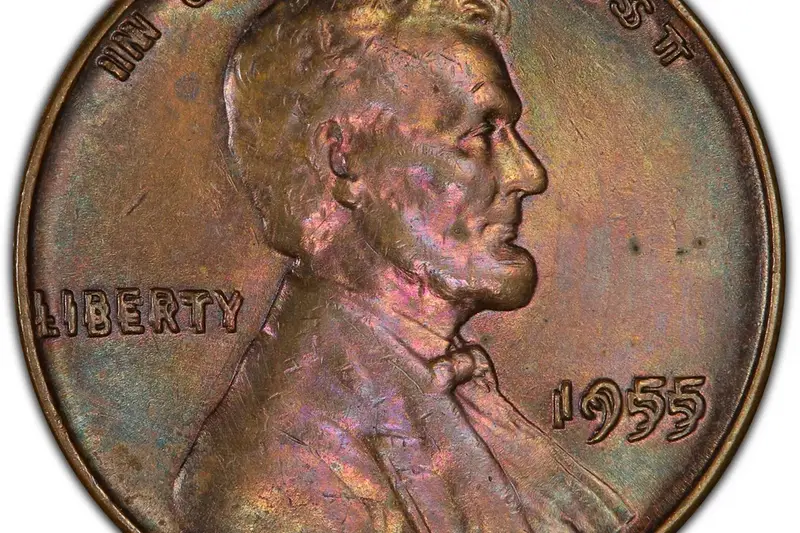
1914-D Lincoln Cent: Denver's $158,625 Key
Coin Encyclopedia · 8 min read · Published November 7, 2026
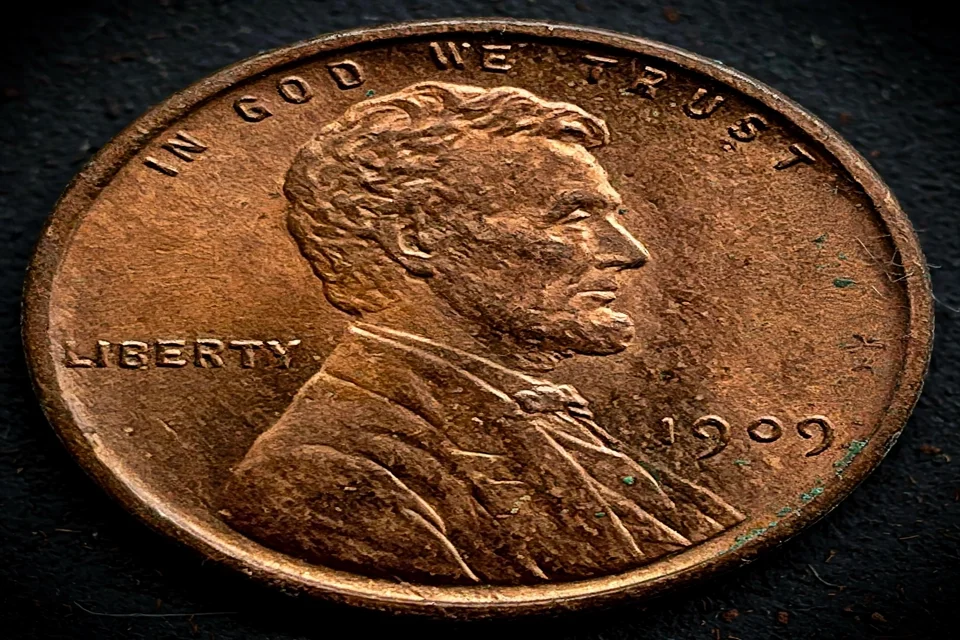
The 1914-D Lincoln cent is the Denver key. With a mintage of 1,193,000, it is the lowest-mintage regular Denver wheat cent ever struck, and it has been the coin every wheat set builder needs — and fears — since the series was young. Our wheat guide puts worn examples at $200+, and the finest red specimens have reached five figures and beyond: two verified records sit above $150,000.
The table below carries our researched estimates for Good and Fine, reviewed November 5, 2026 — $184–$210 in Good and $295–$360 in Fine — and the records below it show where the top of the market goes. Between those figures sits the most counterfeited wheat penny of all, a coin whose D mint mark has been faked so often that authentication is not advice but a requirement. This page covers the mintage, the records, and the added-D trap.
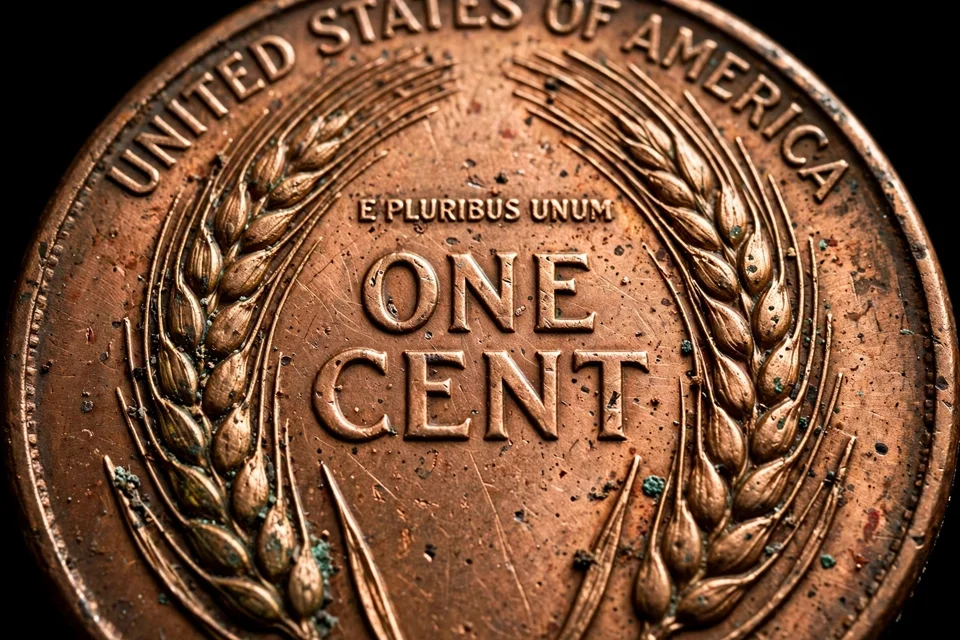
The lowest-mintage regular Denver wheat cent
Denver struck cents in small numbers in the early years, and 1914 was the smallest of them. At 1,193,000, the 1914-D is the lowest-mintage regular Denver wheat cent — below the 1911-S at 2,538,000 and the 1924-D at 2,520,000, and the only Denver date of the wheat series to fall near a million. Philadelphia, by comparison, was striking tens of millions a year. The gap is the whole coin: a series collected by date and mint mark needs a 1914-D, and there were barely more than a million to go around.
The 1914-D was recognised as a key almost at once, which means it was saved and hoarded from the start — and still, most survivors are worn. The coin circulated hard in the west, and sharp, original Mint State examples are a small share of the mintage. That scarcity at the top is why the records below run past $150,000 while a worn example sits at $200+: the date gets you into the market, but grade, colour, and originality decide where you land in it.
Put the 1914-D beside the other Denver dates and the hierarchy is plain. The 1911-S is the semi-key that teaches the series. The 1924-D is the overlooked semi-key beside it. The 1914-D is the key itself — the date the Denver set is measured against, and the one collectors seek last because it costs the most and demands the most care.
Two records above $150,000
The top of the 1914-D market belongs to red Mint State coins, and two verified results show how high it goes. A PCGS MS66+ Red example from the D.L. Hansen Collection reached $158,625 at Legend Rare Coin Auctions in May 2018. A second PCGS MS66+ Red reached $152,750 at Heritage Auctions in August 2017. Two coins, two houses, one grade — and a gap of less than $6,000 between them, which is how a real market looks when the finest examples are genuinely scarce.
The grade matters as much as the figure. MS66+ Red means a coin that is nearly perfect and still carries its original mint red — a combination that almost never survives a century on a bronze cent, and almost never survives it in Denver's early strikes. The records are the market admitting how rarely a 1914-D like that appears, and they are also a warning: a coin offered as a 1914-D in high grade, without certification, is a coin to walk away from.
The added-D trap
The 1914-D is one of the most counterfeited wheat pennies, and the fake is as simple as the 1909-S VDB's: take a common 1914 Philadelphia cent, add a D below the date, and a few-dollar coin becomes a $200+ coin. Genuine examples need expert authentication at any serious value — the D must sit in the correct position with the correct shape, the surfaces must be original, and the weight must be 3.11 grams. A coin that fails any of those checks is not a bargain, it is a lesson.
Check the D under a loupe first. A genuine D sits in the right place below the date, with the right shape and depth, struck at the same time as the rest of the coin. An added D sits on the surface — too high, too sharp, or at a slightly wrong angle — and often shows tool marks or a different lustre around it. Then check the date itself: a genuine 1914 has level, evenly struck digits, and a coin whose 4 looks re-cut or whose digits sit at different depths deserves a professional opinion before any money is involved.
At serious value, send a suspect example to PCGS or NGC before acting on it. Certification is the only thing that makes a 1914-D tradable at its real value, and it is the standard for this coin. An uncertified 1914-D offered at a discount is not a deal; it is the oldest trap in the wheat series.
Reading the grade table
The table below carries researched estimates for two grades only: Good at $184–$210 and Fine at $295–$360. The higher grades — Extremely Fine, About Uncirculated, MS-60, and MS-65 — have not been researched yet and show “—”, not a guess. That is not a gap in the coin; it is a gap in our guide, and the records above are the honest substitute for the top end: MS66+ Red at $152,750 and $158,625.
Colour decides most of what the table cannot show. Copper oxidizes, so grading services describe wheat cents as Red, Red-Brown, or Brown, and a Red coin in the same technical grade can be worth many times what a Brown one brings. Never clean a 1914-D: cleaning strips the original surface and its colour, and a cleaned coin is worth a fraction of an original one, no matter how sharp the details look.
The coin at a glance
Designer Victor David Brenner. Struck 1914 at Denver only. Composition bronze, 95 percent copper with 5 percent tin and zinc. Weight 3.11 grams, diameter 19 millimetres, plain edge. Obverse: Lincoln facing right, date below, D mint mark below the date. Reverse: two wheat stalks flanking ONE CENT, UNITED STATES OF AMERICA above. Mintage 1,193,000 — the lowest-mintage regular Denver wheat cent. Metal floor: —. A copper cent carries no precious-metal floor, so the live system shows no melt figure for this coin — its worth is collector value alone.
The 1914-D is the Denver key, and the coin the Denver set is measured against. Learn the D, learn the weight, and never accept one without certification — and the rest of the early mint-marked series will read the same way, at lower stakes.
What a 1914-D is worth by grade
The figures below are our researched collector estimates from the live guide, reviewed November 5, 2026. Only Good and Fine have been researched so far — the higher grades show “—”, not a guess, and the verified records below are the honest guide to the top end.
| Grade | Estimated value |
|---|---|
| Good (G-4) | $184–$210 |
| Fine (F-12) | $295–$360 |
| Extremely Fine (XF-40) | — |
| About Uncirculated (AU-50) | — |
| Mint State 60 (MS-60) | — |
| Mint State 65 (MS-65) | — |
Verified auction records
Two verified results — both for MS66+ Red examples, a year apart — anchor the top of the 1914-D market.
| Coin | Grade | Sale | Price |
|---|---|---|---|
| 1914-D Lincoln cent | MS66+ Red, D.L. Hansen Collection | Legend Rare Coin Auctions, May 2018 | $158,625 |
| 1914-D Lincoln cent | MS66+ Red | Heritage Auctions, August 2017 | $152,750 |
Latest reported results for this coin
Checking for newly reported results…
Your 1914-D Lincoln cent questions, answered
How much is a 1914-D Lincoln cent worth?
The table above carries our researched estimates, reviewed November 5, 2026: $184–$210 in Good and $295–$360 in Fine. The wheat series guide puts worn examples at $200+, and the finest red specimens reached $158,625 at Legend in May 2018 and $152,750 at Heritage in August 2017.
Why is the 1914-D so valuable?
Mintage. At 1,193,000, it is the lowest-mintage regular Denver wheat cent ever struck. A series collected by date and mint mark needs a 1914-D, and there were barely more than a million to go around — against tens of millions a year at Philadelphia.
How can I tell a real 1914-D from a fake?
Check the D under a loupe: a genuine D sits in the correct position below the date, with the right shape and depth, struck with the rest of the coin. An added D sits on the surface and often shows tool marks or a different lustre around it. Weigh the coin — a genuine 1914-D is bronze at 3.11 grams — and seek certification at serious value.
What is the highest figure a 1914-D has reached?
The record is $158,625 for a PCGS MS66+ Red example from the D.L. Hansen Collection, at Legend Rare Coin Auctions in May 2018. A second MS66+ Red reached $152,750 at Heritage Auctions in August 2017.
Is the 1914-D the rarest Denver wheat cent?
It is the lowest-mintage regular Denver wheat cent, and the key of the Denver set. The 1922 Plain — a Denver variety with no mint mark at all — runs higher in mint state, but as a regular date the 1914-D stands alone at the top of the Denver hierarchy.
Check your 1914-D Lincoln cent
Run the date through the free Coin Value Checker for an instant estimate, or get a Grade-or-Not verdict on whether your coin is worth certifying. The full wheat series guide is here: Wheat Pennies Worth Money, 3¢ to $1.7 Million+. Compare the Denver dates — the 1911-S Lincoln cent and the 1924-D Lincoln cent.
This guide is written to help collectors recognise the Denver key — its mintage, its records, and its counterfeits — for themselves; it is educational reference, and any individual coin should be confirmed by a professional before a decision rests on it.