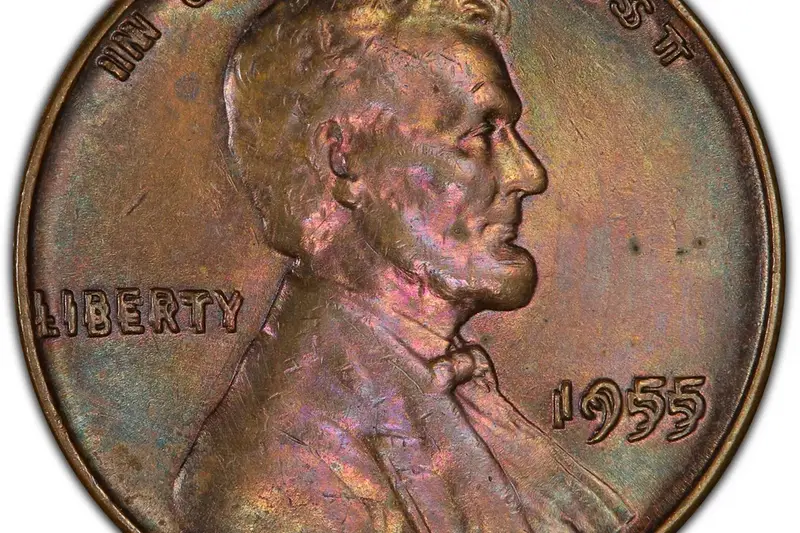
What Makes the 1924-D Lincoln Cent a Semi-Key?
Coin Encyclopedia · 7 min read · Published November 7, 2026
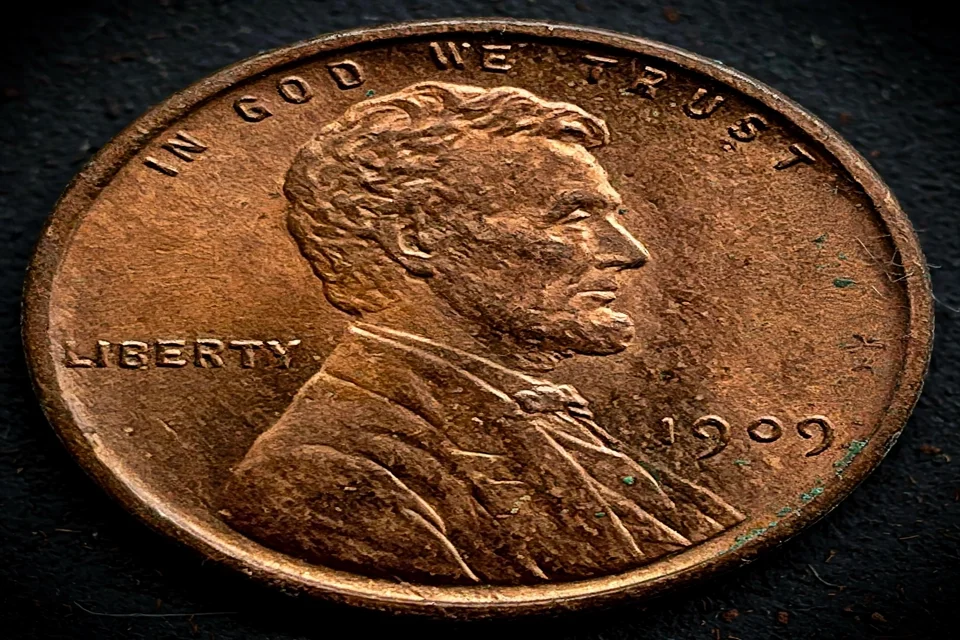
The 1924-D Lincoln cent is the overlooked semi-key. It sits beside the most famous Denver date in the series — the 1914-D, at 1,193,000 — and it is easy to walk past on the way to it. But the 1924-D has its own claim: 2,520,000 struck, a mintage only a little above the 1911-S, and a place in the Denver set that no other date fills. It is the date collectors turn to when they finish the 1914-D and start on the rest of Denver.
This page is about reading an overlooked date properly: the D below the date, the strikes of the mid-1920s, and the colour that decides so much of a wheat cent's standing. The 1924-D will not make headlines, and it does not need to — it is the coin that completes the Denver set, and the one that rewards the collector who learns the whole mint instead of only its famous date.
Denver in the mid-1920s
By 1924 the Lincoln cent was fifteen years old and the branch mints were in full stride. Philadelphia still struck the bulk of the mintage, but Denver and San Francisco were striking millions a year for the west, and the 1924-D — at 2,520,000 — was a normal Denver run for its time. It was not a low mintage by the standards of the decade; it was a low mintage by the standards of the series, because the series is measured against Philadelphia's tens of millions.
That is the semi-key's position in a nutshell. The 1924-D is not rare the way the 1914-D is rare, and it is not common the way a 1924 Philadelphia cent is common. It sits between the two, and it is the date that separates a casual wheat collection from a serious one: a collector who owns a 1924-D has started on the mint-marked dates in earnest, and a collector who does not is still working through the common years.
How the 1924-D compares with the 1914-D
Put the two Denver dates side by side and the comparison does the teaching. The 1914-D, at 1,193,000, is the key — the lowest-mintage regular Denver wheat cent, the coin the Denver set is measured against. The 1924-D, at 2,520,000, is more than twice as common by mintage, and it is the semi-key that sits beside the key. The gap between them is the gap between a key and a semi-key: real, but not the chasm between a key and a common date.
The two dates also share their checks. Both carry the D below the date on the obverse. Both are bronze at 3.11 grams. Both are faked by adding a D to a Philadelphia cent — the 1914-D far more often, because the figure is higher, but the 1924-D too, because the semi-key still pays. Learn the D on the 1924-D, and the 1914-D will make sense when you meet it: same mint, same checks, higher stakes.
Strike is the other shared lesson. The portrait's beard and coat and the wheat grains are the high points of the design, and on many Denver cents of the 1920s they never fully formed. A coin with a sharp beard and full wheat grains is a better-struck example, and it stands out at once beside a typical one. None of this is damage; it is how the coin left the Mint. But it is the first thing an experienced collector checks, and it is worth learning before you judge any Denver cent by its wear alone.
Reading a 1924-D
Check the D first, under a loupe. A genuine D sits in the correct position below the date, with the correct shape and depth, struck with the rest of the coin. An added D sits on the surface — too high, too sharp, or at a slightly wrong angle — and often shows tool marks or a different lustre around it. The check is not hard, but it has to be done: the fake is common enough in the Denver series to be worth the loupe time on every date.
Then weigh the coin. A genuine 1924-D is bronze at 3.11 grams and 19 millimetres across, with a plain edge. Colour comes next: wheat cents grade as Red, Red-Brown, or Brown, and a Red coin in the same technical grade can be worth many times what a Brown one brings. Never clean a 1924-D: cleaning strips the original surface and its colour, and a cleaned coin is worth a fraction of an original one, no matter how sharp the details look. If your coin is original and red, keep it that way — put it in an acid-free holder, handle it by the edges, and let the colour do the talking.
The coin at a glance
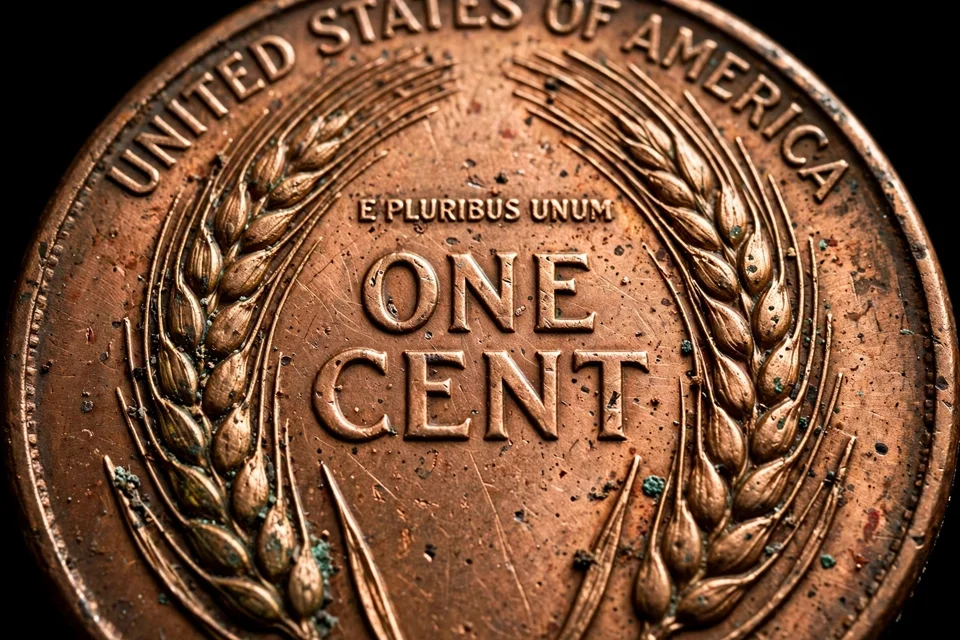
Designer Victor David Brenner. Struck 1924 at Denver only. Composition bronze, 95 percent copper with 5 percent tin and zinc. Weight 3.11 grams, diameter 19 millimetres, plain edge. Obverse: Lincoln facing right, date below, D mint mark below the date. Reverse: two wheat stalks flanking ONE CENT, UNITED STATES OF AMERICA above. Mintage 2,520,000. Metal floor: —. A copper cent carries no precious-metal floor, so the live system shows no melt figure for this coin — its worth is collector value alone.
The 1924-D is Denver's overlooked semi-key, and the coin that completes the Denver set. Learn the D, learn the strike, learn the colour — and the whole mint will read the same way, from the 1914-D down.
What it is worth by grade
Our guide has not yet researched grade-by-grade estimates for the 1924-D — the table below shows “—” for every grade rather than a guess. As a Denver semi-key with 2,520,000 struck, it sits a clear step above the common wheat dates around it.
| Grade | Estimated value |
|---|---|
| Good (G-4) | — |
| Fine (F-12) | — |
| Extremely Fine (XF-40) | — |
| About Uncirculated (AU-50) | — |
| Mint State 60 (MS-60) | — |
| Mint State 65 (MS-65) | — |
Guide values reviewed November 5, 2026 — figures update live from our Worker.
Latest reported results for this coin
Checking for newly reported results…
Your 1924-D Lincoln cent questions, answered
How much is a 1924-D Lincoln cent worth?
Our guide has not yet researched grade-by-grade estimates for the 1924-D, so this page carries no estimated value by grade. As a Denver semi-key with 2,520,000 struck, it sits a clear step above the common wheat dates around it, and sharp, original examples run well above worn ones. The series guide carries the current overview of wheat values.
Is the 1924-D Lincoln cent rare?
It is a semi-key, not a key. With 2,520,000 struck, it is scarce beside the tens of millions Philadelphia struck each year, but more than twice as common as the 1914-D at 1,193,000. It is hardest to find sharp and original, which is where its standing comes from.
Where is the mint mark on a 1924-D Lincoln cent?
On the obverse, directly below the date — a D for Denver. A 1924 without the D is a Philadelphia cent, common and worth little worn. Both the mint mark and the date must be read together.
How is the 1924-D different from the 1914-D?
Mintage and standing. The 1914-D, at 1,193,000, is the lowest-mintage regular Denver wheat cent and the key of the Denver set. The 1924-D, at 2,520,000, is the semi-key beside it — more than twice as common, and the date collectors turn to when they finish the key and start on the rest of Denver.
Should I clean my 1924-D Lincoln cent?
No. Cleaning strips the original surface and its colour, and a cleaned coin is worth a fraction of an original one. Wheat cents grade as Red, Red-Brown, or Brown, and original colour is one of the biggest value drivers on this coin. Keep it in an acid-free holder and handle it by the edges.
Check your 1924-D Lincoln cent
Run the date through the free Coin Value Checker for an instant estimate, or test it against the Key Date Checker to see where it sits in the series. The full wheat series guide is here: Wheat Pennies Worth Money, 3¢ to $1.7 Million+. Compare the Denver dates — the 1914-D Lincoln cent and the 1922-D Lincoln cent.
This guide is written so collectors can read an overlooked Denver date for themselves — its mint mark, its strike, and its colour — and use that knowledge before any individual coin is judged.