1926-D Indian Quarter Eagle: A Scarce Date After the Key
Coin Encyclopedia · 10 min read · Published November 7, 2026
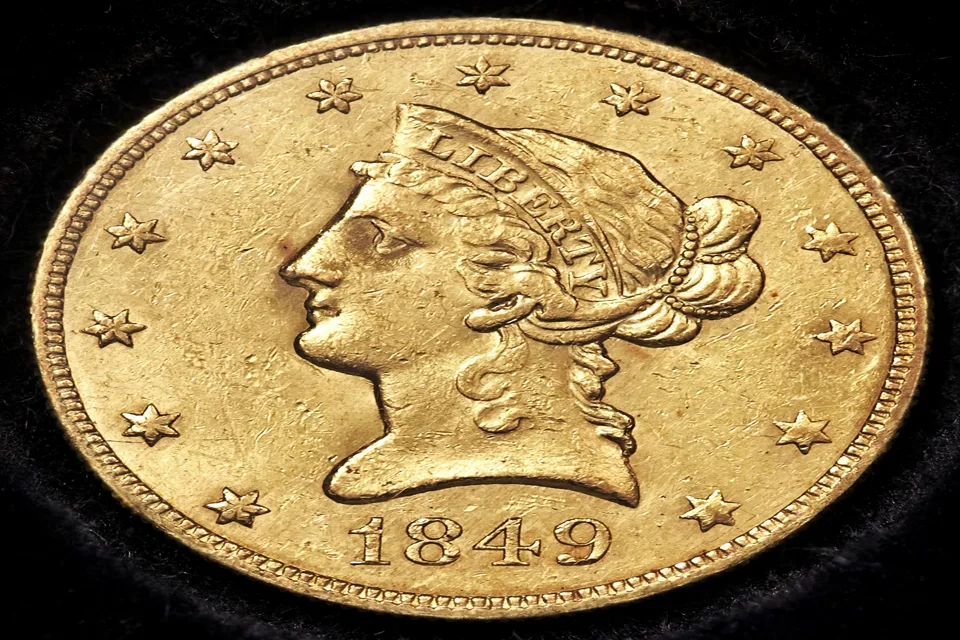
Denver struck its most famous quarter eagle in 1911, and then it kept striking them. Fifteen years later, in 1926, the Denver Mint was still turning out $2.50 gold coins with Bela Lyon Pratt's sunk-in Indian head and eagle — the same design, the same small gold planchet, the same D at the lower left of the reverse. The 1926-D is not the key date. It will never be the coin the 1911-D is. But it is the Denver quarter eagle most collectors actually meet, and it deserves a page of its own, written honestly about what the guide knows and what it does not.
This page does that. Our catalog records no mintage figure for this issue and no grade-by-grade figures, so the table below is all dashes. That is not a failure of the page. It is the page doing its job: showing you the coin, showing you the checks, and refusing to invent numbers to fill the gaps.
The D, fifteen years after the key date
By 1926 the Denver Mint was twenty years old and no longer the young branch mint that had struck the 1911-D in a single short run. Denver was a full working mint, striking the coinage the Mountain West used every day, and the quarter eagle was one of its regular products. The 1926-D came off those presses in the last full decade of Indian quarter eagle production — the series would end in 1929, three years later, when the Depression and then the gold recall closed the book on circulating $2.50 gold.
That position matters. A 1926-D is a late-series Denver coin, struck when the design was eighteen years old and the Mint knew it well. It is a representative Denver quarter eagle — the kind of coin a series collector needs, and the kind a new collector can actually study.
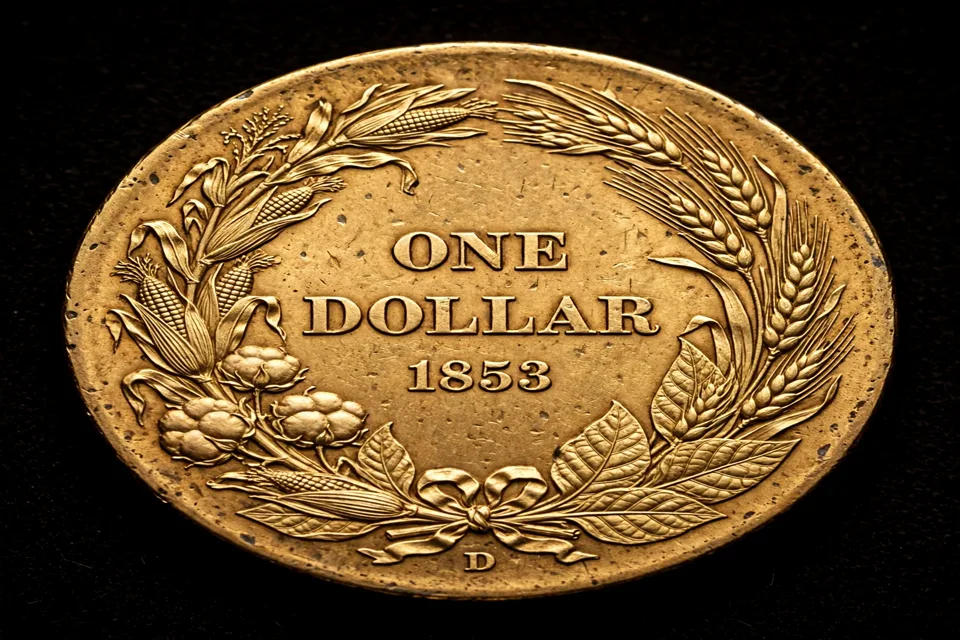
Find the D first, as you would on any Denver quarter eagle. Turn the coin over, find the eagle standing on its bundle of arrows, and look at the lower left, below the bird. The D is incuse, sunk into the surface like everything else Pratt designed, so it does not catch the light the way a raised mint mark does. Tilt the coin under a good lamp and look with a loupe. A genuine D has the right shape, the right depth, and the right position — the same place on every genuine Denver quarter eagle of the series. An added D sits slightly off, or too shallow, or at the wrong angle, and the metal around it often shows tool marks. The 1926-D is not the key date, so it attracts fewer fakes than the 1911-D, but the check is the same, and it costs nothing to perform.
What the grade table says — and what it doesn't
The table below is our researched collector estimates from the live guide, reviewed November 5, 2026. Grades our guide has not researched yet are shown as “—”, not guessed. For this date, that is every grade. No grade-by-grade figures are catalogued yet, so the table is a statement of what we do not yet know, not a set of numbers to lean on.
| Grade | Estimated value |
|---|---|
| Good (G-4) | — |
| Fine (F-12) | — |
| Extremely Fine (XF-40) | — |
| About Uncirculated (AU-50) | — |
| Mint State 60 (MS-60) | — |
| Mint State 65 (MS-65) | — |
That emptiness is worth understanding. The grade table is built from researched figures, and the famous dates get researched first — the 1911-D, the 1933 eagle, the 1927-D double eagle. A 1926-D is simply unresearched, and the honest figure for it comes from a professional grade and the live feed above, not from a table filled in by guessing.
What you can do now is weigh it, measure it, and read the wear. Those three checks are free, and they tell you more about a raw 1926-D than any invented number would. Then, if the coin looks uncirculated, send it for certification. The grade that comes back is the figure that matters, and it will be a real one, assigned by someone who held the coin.
Reading wear on a sunk design
Pratt's Indian quarter eagle is the only United States gold series with a fully incuse design, and the 1926-D shows why that matters for grading. The Indian head on the obverse and the eagle on the reverse are sunk into the fields, not raised above them. The coin feels smooth, almost flat, in the hand. On a raised design, wear shows first on the high points — the cheek, the feathers, the eagle's breast. On this coin, the high points are the fields themselves, and wear shows as a softening of the sunk details and a loss of lustre across the surface.
That makes the 1926-D easy to over-grade. A circulated example can look surprisingly sharp to an untrained eye, because the design is protected by being sunk. The test is the fields: hold the coin under a strong light and look for the original mint lustre — a frosty, even glow across the whole surface. Any rub, any dull patch, any break in the lustre means the coin circulated. On a late-series Denver coin, the difference between About Uncirculated and Mint State is often just that whisper of lustre, and it is the difference a grader is paid to see.
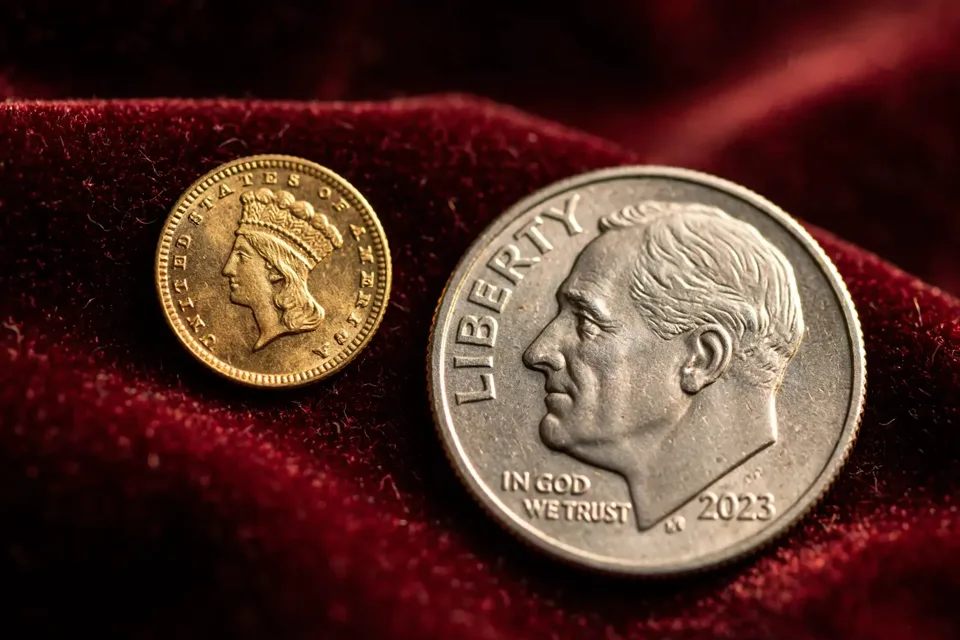
The small size adds to the difficulty. At 18 millimetres across, the quarter eagle is the smallest United States gold coin ever struck for circulation, and the details are tiny. A loupe is not optional on this coin. It is the only way to see what you are holding.
Specs and the metal floor
The 1926-D quarter eagle weighs 4.18 grams and measures 18 millimetres across, struck in 90% gold and 10% copper. It holds 0.12094 troy ounces of pure gold — the same specification as every Indian quarter eagle from 1908 to 1929, and the same as the Liberty quarter eagles that came before it, apart from a fraction of a millimetre in diameter. If you have handled a 1911-D, the 1926-D feels identical in the hand: same weight, same size, same warm gold colour. Only the date and the quality of the strike tell them apart.
Metal floor: — The live melt figure on this site is calculated only for the $1 gold dollar, whose specification the Worker carries. Larger gold — $2.50, $5, $10 and $20 — has no live melt specification yet, so this page shows “—” for the metal floor rather than a computed figure. The weight above is the honest check: a genuine coin matches it, and a light coin is not genuine.
That weight is also the first authentication check. A genuine quarter eagle is 4.18 grams, and a counterfeit in base metal will be far too light. A gold-plated copy will be close in weight but soft in detail, with mushy feathers and a dull, lifeless surface. Weigh the coin first, before anything else. If it is not 4.18 grams, the conversation is over.
Denver in 1926: a mint at full stretch
The Denver Mint of 1926 was a different place from the Denver Mint of 1911. In 1911 it was a young branch mint with limited capacity, striking a small run of quarter eagles and then moving on. By 1926 it was striking coinage at scale, serving a region that used gold and silver every day, and the quarter eagle was a routine product, not an event. That is the context for this coin: not a special issue, not a short run, but a working mint doing its ordinary job in the last years before the Depression changed everything.
Three years after the 1926-D was struck, the stock market crashed. Four years after that, the government recalled gold coinage, and the melting began. The Indian quarter eagle series ended with the 1929 issues, and the 1926-D became a late-series date — one of the last Denver quarter eagles ever struck, from the final chapter of a series, in the last years when a $2.50 gold coin was ordinary money.
Latest reported results for this coin
Checking for newly reported results…
Your 1926-D quarter eagle questions, answered
What is a 1926-D Indian quarter eagle worth?
Our guide has not yet researched grade-by-grade figures for this date, so the grade table below shows — for every grade. The live feed on this page will show newly reported results when they land, and a professional grade is the only reliable way to value one.
Why does the catalog record no mintage for the 1926-D?
Our catalog records no mintage figure for this issue, so none is stated here. The absence of a figure is a gap in our data, not a statement about how many were struck — and it is why the grade table below is honest about what it does not know.
Where is the mint mark on a 1926-D quarter eagle?
The D is on the reverse, at the lower left, below the eagle. Like the rest of Bela Lyon Pratt's design it is incuse — sunk into the surface — so check it under a loupe in good light, tilting the coin until the letter stands out.
How is the 1926-D different from the 1911-D?
The 1911-D is the key date of the series, with 55,680 struck and an MS-65 figure catalogued at $45,140. The 1926-D came fifteen years later, from a mature Denver Mint, and it is a later date in the same incuse series — not a key date, but a Denver coin with its own following.
Should I get a 1926-D quarter eagle certified?
Yes, if you want a firm figure. The incuse design makes wear hard to judge, the D is easy to fake on a key-date series, and certification from PCGS or NGC settles both questions at once.
Check your 1926-D
A 1926-D is a late-series Denver coin with an empty grade table and a real story. Weigh it, find the D, and let a grader settle the rest. Run the date and mint mark through the free Coin Value Checker for an instant estimate, or get a Grade-or-Not verdict on whether your coin is worth certifying. The full gold guide is here: Gold Dollar Coin Values by Type and Date.
For learning only: this guide is educational, and the figures here are researched estimates, not a promise of what any single coin will bring. A 1926-D should be weighed, measured, and graded by professionals before any decision is made.
This guide is for education — learn the coin first, and get a professional opinion before buying or selling.