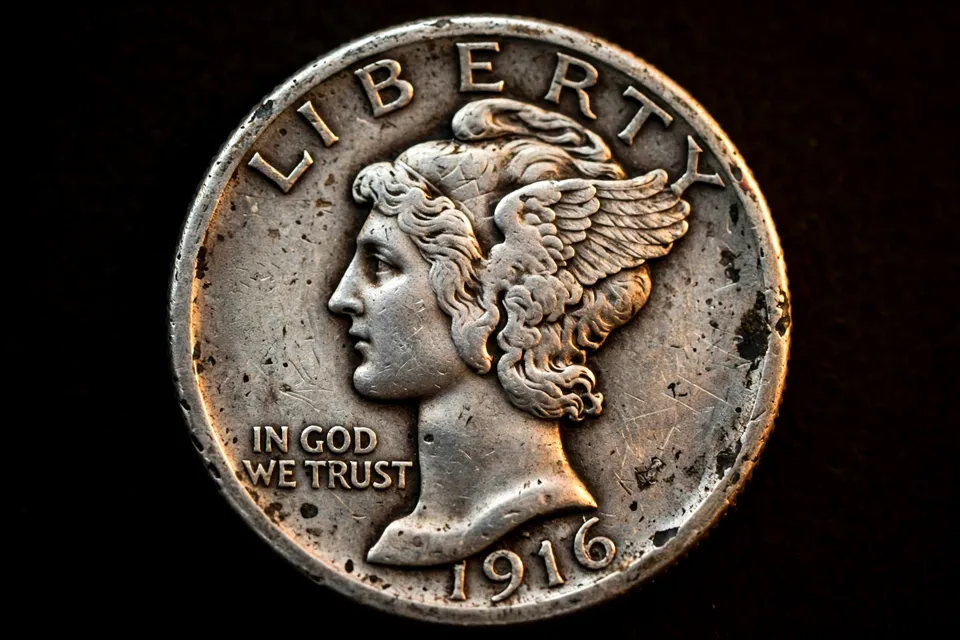
1942/1 Mercury Dime Overdate: The 1 Hiding Under the 2
Coin Encyclopedia · 7 min read · Published November 7, 2026
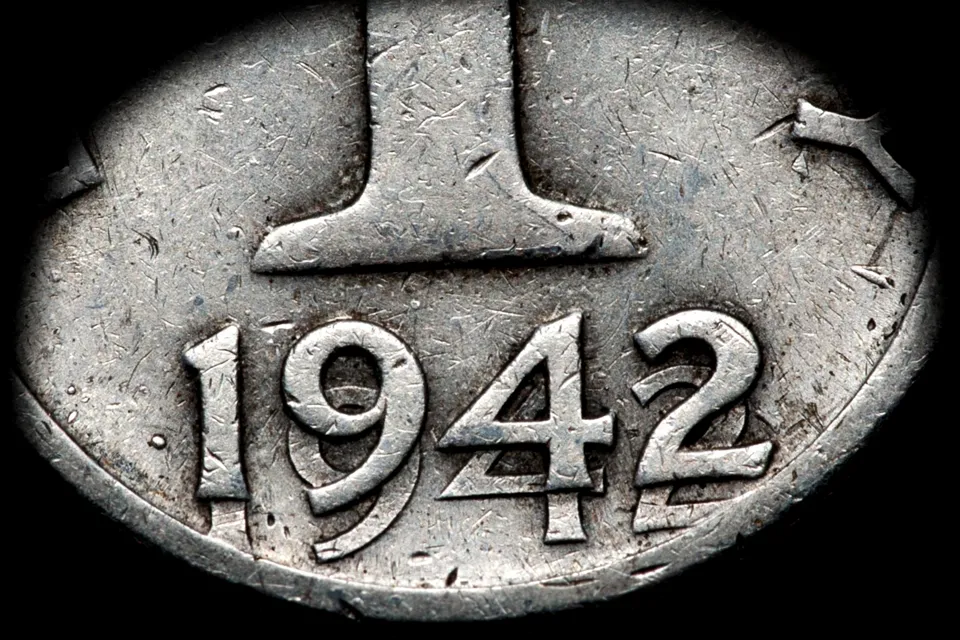
Look closely at the date on a 1942 Mercury dime. On most of them the 2 is clean and alone. On a rare few, a ghost of another digit shows beneath it — the upright curve of a 1, left over from 1941. In 1942 the Philadelphia Mint reused an obverse die still carrying the previous year’s date, punching 1942 over 1941, and the old 1 was never fully erased. That mistake created the most famous overdate in the Mercury series, and one of the most dramatic mint errors ever released into circulation.
The one researched figure is as dramatic as the error: a Fine example is $650–$675 in our Mercury dime guide, and the other grades show dashes until they are researched. This page shows how the overdate happened, how to see it, how to tell the Philadelphia variety from the Denver one, and how to avoid the altered-date copies that follow every famous error.
How the overdate happened
A die is the steel stamp that strikes a coin, and in 1942 the Philadelphia Mint was striking dimes at wartime speed. One obverse die had already been hubbed with the date 1941 when the new year arrived. Rather than discard it, the Mint punched the 1942 date over the old one — a common enough economy in a busy mint, and one that usually leaves no trace. This time it left a trace that no collector can miss: the 1 of 1941 still shows beneath the 2 of 1942, clear under a loupe and visible in a good photograph.
That is the whole error, and it is a die variety rather than a striking accident: every coin struck from that die carries the same overdate, in the same place, with the same shape. The Philadelphia variety shows the stronger overdate, with the underlying 1 bold beneath the 2. A Denver version exists too — the 1942/1-D — struck from a different overdated die, with a weaker overdate that takes more patience to confirm. Both are genuine Mint products, and both left the Mint in ordinary circulation.
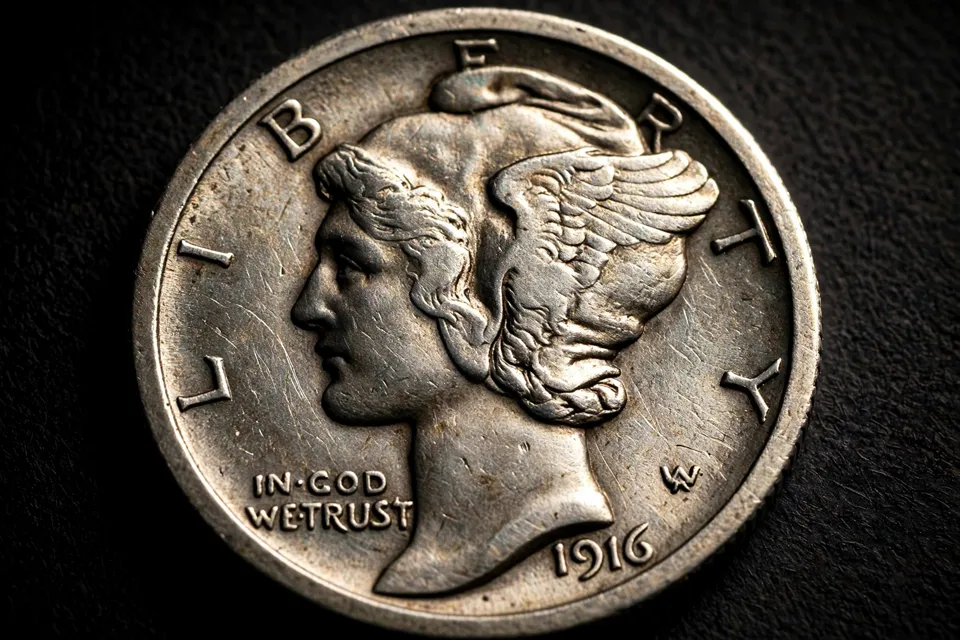
What a 1942/1 Mercury dime is worth by grade
The table below comes from our Mercury dime guide and our catalog. One grade is researched — Fine at $650–$675 — and the rest are shown as “—”, not guessed.
| Grade | Estimated value |
|---|---|
| Good (G-4) | — |
| Fine (F-12) | $650–$675 |
| Extremely Fine (XF-40) | — |
| About Uncirculated (AU-50) | — |
| Mint State 60 (MS-60) | — |
| Mint State 65 (MS-65) | — |
Guide values reviewed November 5, 2026 — figures update live from our Worker.
The Fine figure of $650–$675 is the researched catalog value for this variety — the only researched grade on this page. The unresearched grades are where a certified opinion earns its fee.
Notice what the table does not do: it does not value the ordinary 1942 dime. A normal 1942 Philadelphia Mercury dime is a common silver coin, and the overdate is the entire difference between it and this page. The live figures above update from our Worker as new results are reported, so the numbers you see here are the latest our system holds.
Philadelphia vs Denver
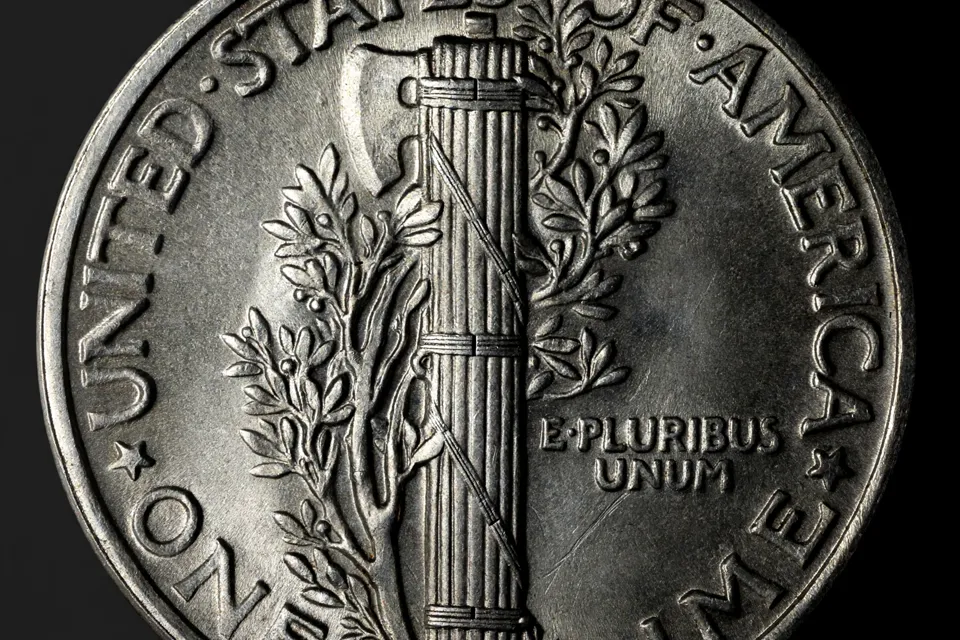
Two mints made a 1942/1 overdate, and they are not the same coin. The Philadelphia variety — no mint mark — shows the stronger overdate, with the 1 bold beneath the 2. The Denver variety — D mint mark, low on the left beside the fasces — shows a weaker overdate, with the underlying digit fainter and harder to confirm. Our dime guide puts the Philadelphia variety first for exactly that reason: it is the one a collector can confirm with confidence under a loupe.
Check the mint mark before you celebrate. A 1942/1-D is a genuine rarity in its own right, but it is a different coin with a different market, and the two are often confused in listings and inherited collections. The mint mark sits on the reverse, low on the left beside the fasces near the rim. No letter means Philadelphia and the strong overdate; a D means Denver and the weaker one.
Spotting a genuine overdate
Start with the date, under a 10x loupe, in good light. On a genuine 1942/1, the 1 of 1941 shows as a distinct upright stroke beneath the 2 of 1942, in exactly the same place on every genuine example — because every genuine example was struck from the same die. The shape is consistent, the position is consistent, and the depth matches the rest of the date. A genuine overdate looks like a printing error; a fake one looks like a carving.
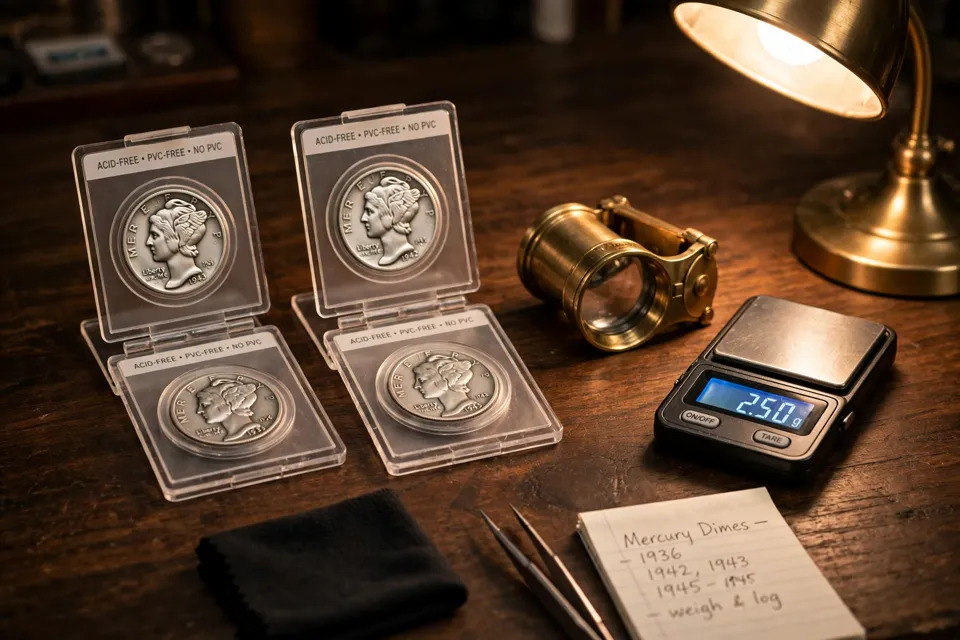
The copies to watch for are altered dates: an ordinary 1942 dime with a 1 engraved beneath the 2, or a 1941 dime reworked into a 1942. Both betray themselves under magnification — tool marks in the metal around the digit, a 1 that sits at the wrong depth or angle, or a date whose surfaces do not match the rest of the coin. Weigh it as well: a genuine Mercury dime is exactly 2.5 grams. Any 1942/1 whose value clears the grading fee belongs in a PCGS or NGC holder, because certification is where the premium is paid and the only defence against an altered date.
Wartime silver and the specs
The 1942/1 was struck in the first full year of American involvement in the Second World War, and it is still a silver coin: 90% silver and 10% copper, 2.5 grams, 17.9 millimetres across, with 0.07234 troy ounces of pure silver — about $3.77 at the November 2026 silver level near $52.07 an ounce. The Mint would go on to strike the famous steel cent in 1943, but the dime never left silver — the overdate is a wartime economy of dies, not of metal.
Metal floor updates live from our Worker — last updated November 7, 2026.
That silver floor is the safety net under every 1942/1. Even a heavily worn example never falls to face value, and a genuine example in any grade is worth more than the ten cents stamped on it. The rest of its worth is the overdate, the mint mark, and the grade — in that order.
Verified auction records
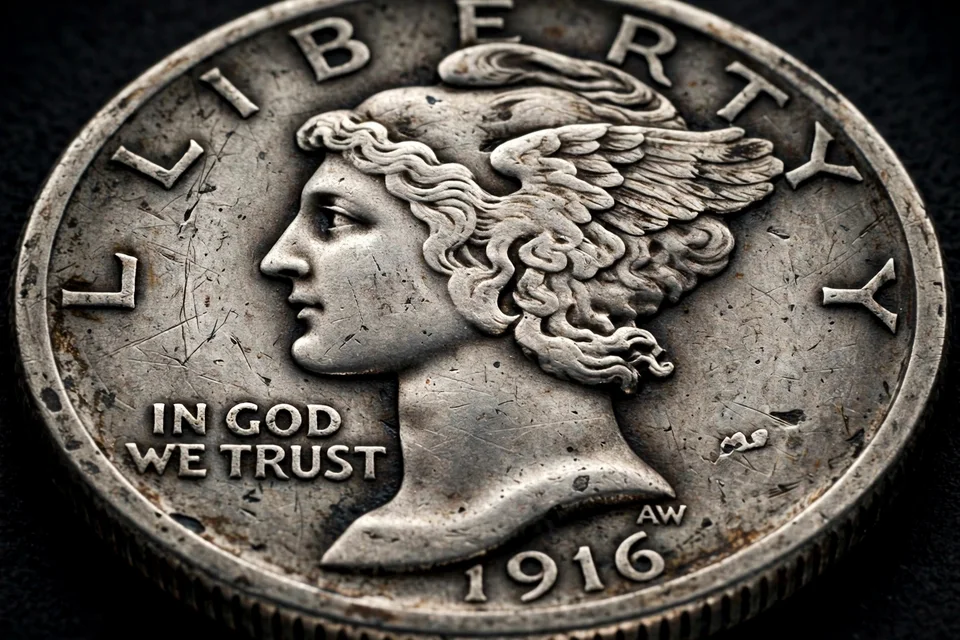
No standalone record for the 1942/1 sits in our verified records file. The series record belongs to the 1916-D: a Mint State 67 Full Bands example that reached $207,000 at Heritage in August 2010. That figure describes a single coin in the finest known grade, not this variety — the grade table above, and the live results panel below it, are the honest measures for the 1942/1.
For scale, the 1942/1’s own market is defined by its grade table rather than by a single headline: worn examples trade regularly, Mint State examples trade rarely, and the finest examples are the ones that make the news.
Latest reported results for this coin
Checking for newly reported results…
Your 1942/1 Mercury dime questions, answered
How much is a 1942/1 Mercury dime worth?
A 1942/1 is $650–$675 in Fine in our Mercury dime guide — the one researched figure for this variety. The other grades are not yet researched in our guide, so they show as — in the table above until live results fill them in.
How do I see the overdate on a 1942 Mercury dime?
Look at the date under a 10x loupe. On a genuine 1942/1, the 1 of 1941 shows as a distinct upright stroke beneath the 2 of 1942, in exactly the same place on every genuine example.
Is there a 1942/1-D Denver overdate too?
Yes. Denver struck a 1942/1-D from a different overdated die, with a weaker overdate that is harder to confirm. The Philadelphia variety shows the stronger overdate and is the one most collectors hunt first.
Is the 1942/1 Mercury dime silver?
Yes. Every Mercury dime dated 1916 to 1945 is 90% silver, with 0.07234 troy ounces of pure silver. The live metal floor for this coin is in the specs section above.
How do I know my 1942/1 is genuine?
Check the overdate under a loupe for a consistent 1 beneath the 2, weigh the coin at exactly 2.5 grams, and look for tool marks that betray an altered date. Any example whose value clears the grading fee belongs in a PCGS or NGC holder.
Check your 1942
Run the date and mint mark through the free Coin Value Checker for an instant estimate, or get a Grade-or-Not verdict on whether your coin is worth certifying. The full series guide is here: Mercury Dime Values: 1916-D, Full Bands & $207,000+ Records.
Written for the hunt: the 1942/1 is the Mercury error most likely to be sitting unrecognised in a wartime silver lot, and this guide exists so the next one found gets its date checked under a loupe before it is spent.
This guide is for education — learn the coin first, and get a professional opinion before buying or selling.