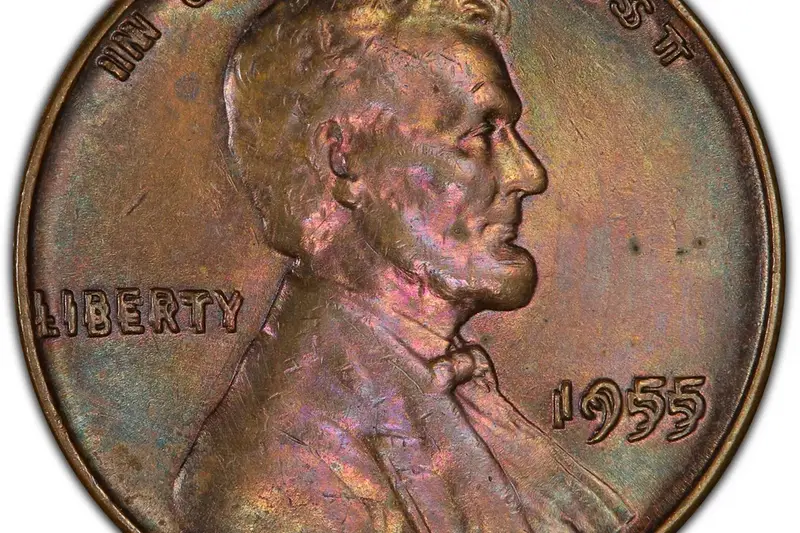
1969-S Doubled Die: The Modern Cent That Brought $601,875
Coin Encyclopedia · 9 min read · Published November 7, 2026
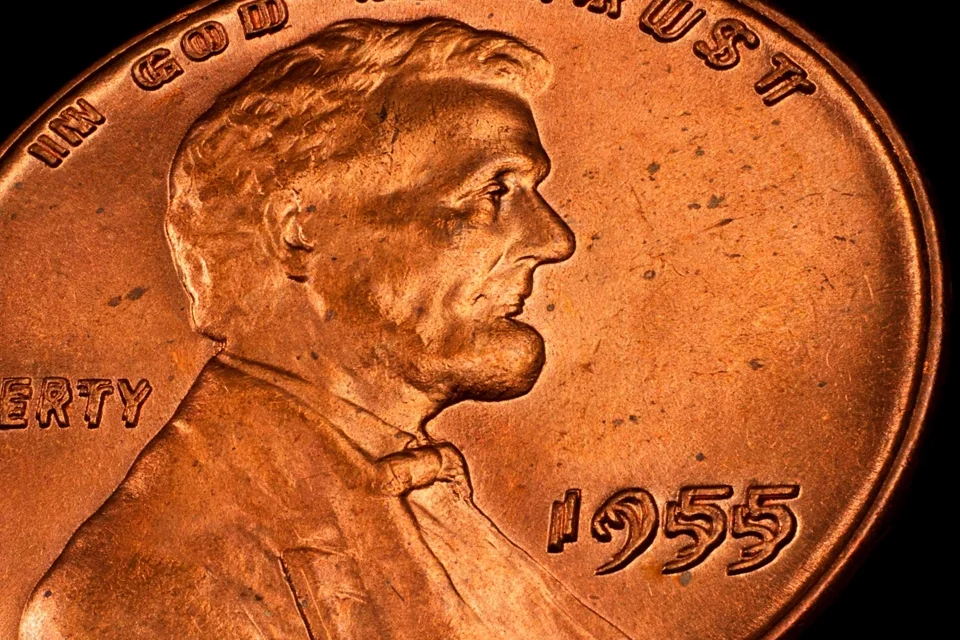
The 1969-S Doubled Die is the rarest modern doubled die. The doubling is dramatic — the date, LIBERTY, and the motto all show a second, shifted image, bold enough to see without a magnifier — and the coin is genuinely rare: only a small number of examples are known, struck at San Francisco in 1969 and found, for the most part, in circulation in the years that followed. It is the doubled die that collectors dream about and almost never find.
The records explain why. A PCGS MS66 Red example with CAC approval, the finest known, from the Stewart Blay Collection, reached $601,875 at GreatCollections in January 2023. An earlier finest-known example, a PCGS MS64 Red, reached $126,500 at Heritage in 2008. Two records, fifteen years apart, and a gap of nearly $475,000 between them — the story of a coin whose finest example kept changing hands as the market learned how rare it really is.
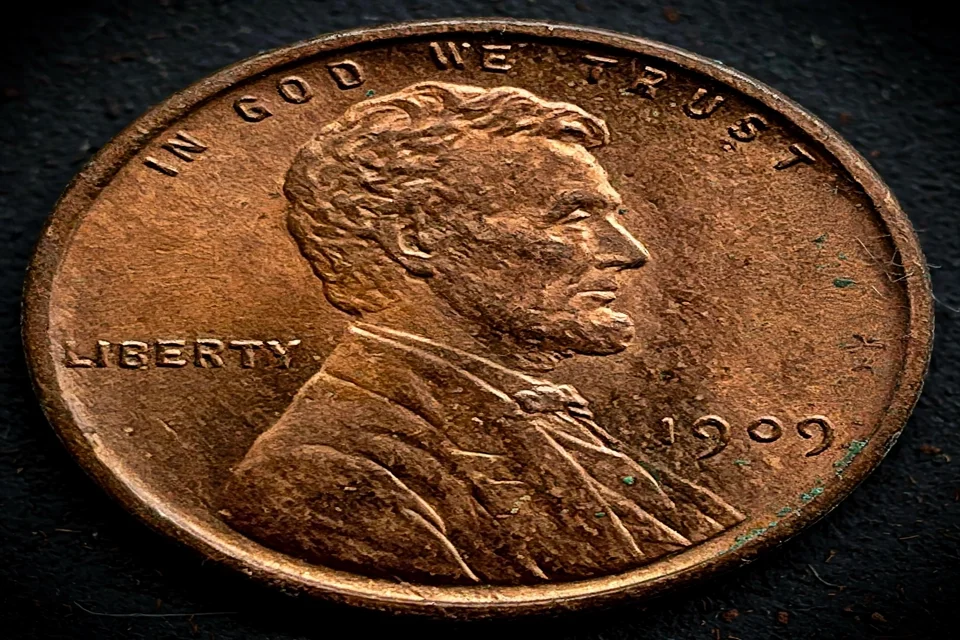
The rarest modern doubled die
The 1969-S doubled die was struck at San Francisco in the first year of the Lincoln Memorial cent's second decade, and it was found the way the great doubled dies always are: in circulation, by collectors looking at their change. The doubling comes from the die, not the strike — the hub impressed the die twice at a small offset, so every coin that die struck carries the same doubled date, the same doubled LIBERTY, and the same doubled motto. It is the same mechanism as the 1955, with a different result: the 1955 released twenty thousand or so into circulation, while the 1969-S released only a small number, and the market has treated the two accordingly ever since.
That small number is the whole coin. The 1955 is famous and findable; the 1969-S is famous and nearly unfindable. Most collectors will never hold one, and most dealers will never see one in hand. The coin lives in certified holders, in the finest collections, and in the auction records below — and the gap between its record and the 1955's record, $601,875 against $320,625, is the market pricing rarity, not fame.
The other half of the rarity is condition. The known examples circulated before they were recognised, so most are worn — and a Mint State 1969-S doubled die, let alone a finest-known one, is a coin that barely exists. That is why the two records below are both Mint State reds, and why the gap between them is so large: when a finest-known coin appears, it does not compete with the last finest-known coin. It replaces it.
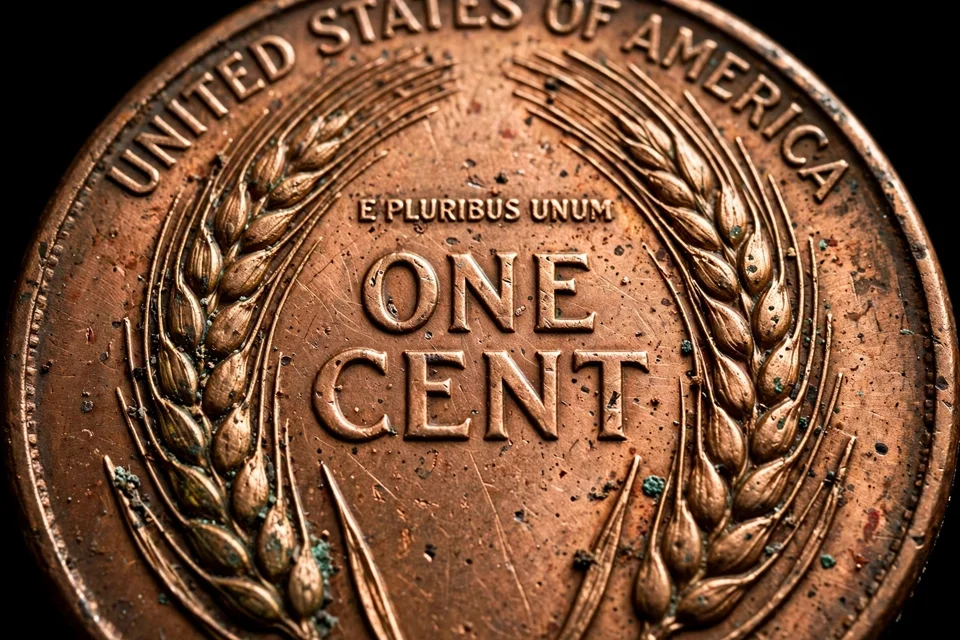
Two records, fifteen years apart
The record is $601,875, for a PCGS MS66 Red example with CAC approval — the finest known, from the Stewart Blay Collection — at GreatCollections in January 2023. The earlier record was $126,500, for a PCGS MS64 Red example that was the finest known at the time, at Heritage in 2008. The 2008 coin was the finest known then; the 2023 coin is the finest known now. Between them, the market learned how rare the 1969-S really is, and the figure followed.
The lesson is not that every 1969-S doubled die is a six-figure coin. It is that the finest-known coin in a genuinely rare variety is a market of one, and its figure is set by the two collectors who want it most on the night it appears. A worn 1969-S doubled die is still a five-figure coin by any measure — but the records belong to the finest, and the finest belongs to almost no one.
Reading the doubling
Look at the date first. On a genuine 1969-S doubled die, the 1969 shows bold, rounded doubling — the second image of each digit sits shifted to the side, nearly as strong as the first, with the doubling boldest on the 9s. Then look at LIBERTY: the doubled letters are thick and rounded, with split serifs, and the motto IN GOD WE TRUST shows the same doubling. The effect is dramatic, and it is the same rounded hub doubling as the 1955 — the doubled image matches the originals in height and thickness, because it was cut into the die by the same hub.
Machine doubling is the lookalike to rule out. It happens during striking, when the die bounces, and it shows flat, shelf-like doubling with a stepped, reduced appearance. The 1969-S doubled die is hub doubling, and the difference is visible under a 10x loupe: rounded and strong against flat and stepped. Learn the difference on the 1955 first, and the 1969-S will read the same way — same lesson, far rarer coin.
Check the mint mark and the weight as well. The S sits on the obverse, below the date, and a genuine 1969-S doubled die is bronze at 3.11 grams and 19 millimetres across, with a plain edge. A coin far off that weight is not a doubled die; it is a problem.
The fake problem
The 1969-S doubled die is faked, altered, and misattributed more than almost any modern coin, and the reason is the figure: a genuine example is worth five figures worn and six at the top, while an ordinary 1969-S cent is worth cents. The fakes take several forms — a 1969 Philadelphia cent with an added S, a normal 1969-S with machine doubling passed off as hub doubling, and outright counterfeits struck from fake dies. All of them fail the same checks: the doubling is flat instead of rounded, the S is wrong in position or shape, or the weight is off.
At any value, certification is not optional for this coin. The grading services attribute the doubled die, and the attribution is what makes the coin tradable at its real figure. A raw 1969-S doubled die offered at a discount is not a deal; it is the rarest modern doubled die, and it is the coin most worth faking in the whole Lincoln series. No 1969-S doubled die should ever be accepted on a handshake and a story.
The coin at a glance
Designer Victor David Brenner, with Frank Gasparro's Lincoln Memorial reverse. Struck 1969 at San Francisco only. Composition bronze, 95 percent copper with 5 percent tin and zinc. Weight 3.11 grams, diameter 19 millimetres, plain edge. Obverse: Lincoln facing right, date below, S mint mark below the date, bold hub doubling on the date, LIBERTY, and IN GOD WE TRUST. Reverse: Lincoln Memorial, UNITED STATES OF AMERICA above, ONE CENT below. Mintage: the doubled die is a variety within the 1969-S mintage, not a separate mintage — the catalog carries no separate figure for it, and only a small number of examples are known. Metal floor: —. A copper cent carries no precious-metal floor, so the live system shows no melt figure for this coin — its worth is collector value alone.
The 1969-S Doubled Die is the rarest modern doubled die, and the coin that teaches the difference between fame and rarity. The 1955 is famous and findable. The 1969-S is famous and nearly unfindable — and the records show what the market pays for the difference.
What it is worth by grade
Our guide has not yet researched grade-by-grade estimates for the 1969-S doubled die — the table below shows “—” for every grade rather than a guess. The verified records below are the honest guide to this coin's standing.
| Grade | Estimated value |
|---|---|
| Good (G-4) | — |
| Fine (F-12) | — |
| Extremely Fine (XF-40) | — |
| About Uncirculated (AU-50) | — |
| Mint State 60 (MS-60) | — |
| Mint State 65 (MS-65) | — |
Guide values reviewed November 5, 2026 — figures update live from our Worker.
Verified auction records
Two verified results — both for the finest-known example of their day, fifteen years apart — anchor the top of the 1969-S market.
| Coin | Grade | Sale | Price |
|---|---|---|---|
| 1969-S Doubled Die Lincoln cent | MS66 Red CAC, finest known, Stewart Blay Collection | GreatCollections, January 2023 | $601,875 |
| 1969-S Doubled Die Lincoln cent | MS64 Red, finest known at the time | Heritage Auctions, 2008 | $126,500 |
Latest reported results for this coin
Checking for newly reported results…
Your 1969-S Doubled Die questions, answered
How much is a 1969-S Doubled Die penny worth?
Our guide has not yet researched grade-by-grade estimates for the 1969-S doubled die, so this page carries no estimated value by grade. What is verified is the top of the market: the record is $601,875 for a PCGS MS66 Red CAC finest-known example at GreatCollections in January 2023, after the earlier finest-known example reached $126,500 at Heritage in 2008.
Why is the 1969-S Doubled Die so rare?
Only a small number of examples are known. The doubling came from one misaligned hub impression on one die, and that die struck very few coins before it was retired or wore out — far fewer than the 1955 doubled die, which released about 20,000 to 24,000 into circulation. Rarity, not fame, is what the market pays for.
How can I tell a real 1969-S Doubled Die from machine doubling?
Look for rounded doubling that matches the originals in height and thickness, with split serifs — the doubled date, LIBERTY, and motto are nearly as strong as the first images. Machine doubling shows flat, shelf-like doubling with a stepped, reduced appearance, because it happens during striking when the die bounces. Only hub doubling is a variety worth a premium.
Where is the mint mark on a 1969-S Doubled Die?
On the obverse, below the date — an S for San Francisco. A 1969 doubled die without the S is a Philadelphia coin, not this variety. Check the S under a loupe: fakes are often a 1969 Philadelphia cent with an added S.
Is the 1969-S Doubled Die still found in circulation?
Almost never. The known examples were found in circulation in the years after 1969, and the coin has been hunted ever since. Most survivors are certified and in collections. Check every 1969-S you handle — the doubling is bold enough to see without a magnifier — but do not expect to find one in change.
Check your 1969-S Doubled Die
Run the date through the free Coin Value Checker for an instant estimate, or work the doubling through the Error Coin Identifier step by step. The full wheat series guide is here: Wheat Pennies Worth Money, 3¢ to $1.7 Million+. Compare the other famous doubled dies — the 1955 Doubled Die and the 1972 Doubled Die.
This guide is written so collectors can recognise the rarest modern doubled die for themselves — its rounded doubling, its records, and its fakes — and use that knowledge before any individual coin is judged.