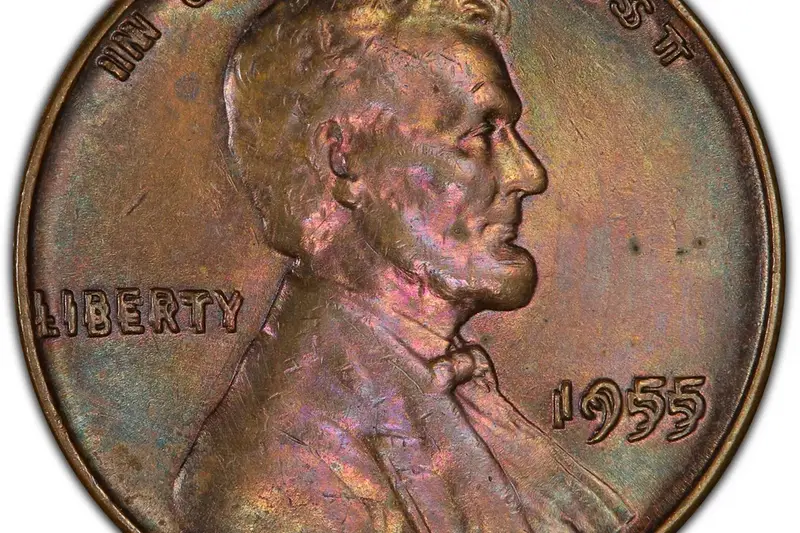
Why the 1995 Doubled Die Penny Made the News
Coin Encyclopedia · 9 min read · Published November 7, 2026
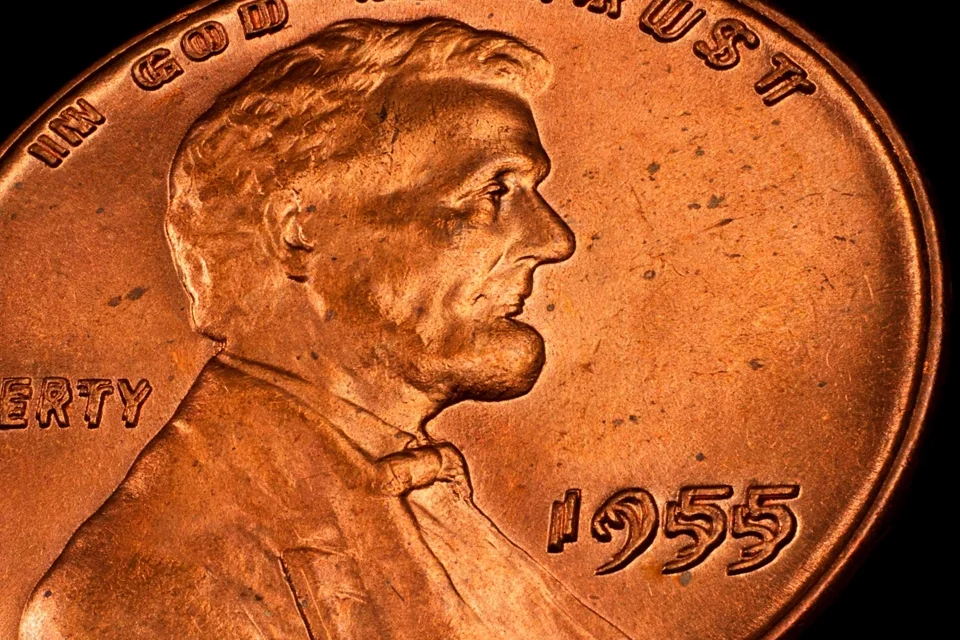
The 1995 Doubled Die penny made the evening news. When collectors started finding it in change in 1995 and 1996, the story ran on television and in the papers: a penny with doubled letters, found in pocket change, worth far more than a cent. It was the first doubled die most Americans ever heard of, and it sent a generation of collectors to their change jars with a loupe.
The doubling is strong and it is specific: LIBERTY shows it best, with the letters BERTY doubled clearly, and the date and the motto IN GOD WE TRUST show it too. This page covers the doubling, the news story, and the machine-doubling confusion that catches collectors every year — and why the 1995, for all its fame, sits well below the 1955 in comparable grades.
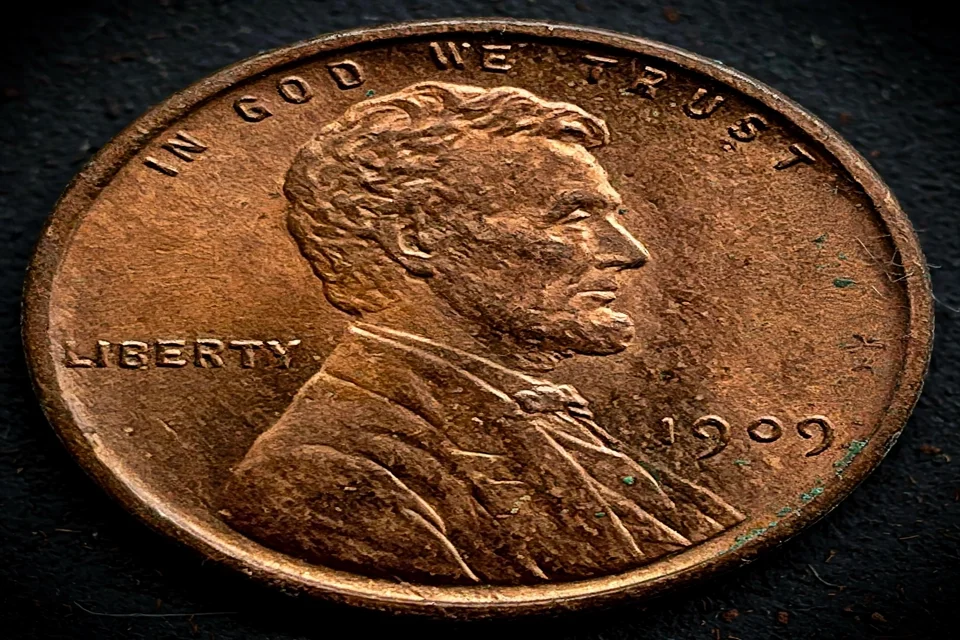
The doubled die on the news
The 1995 doubled die was struck at Philadelphia, and it was found the way the great doubled dies always are: in circulation, by collectors looking at their change. The doubling comes from the die, not the strike — the hub impressed the die twice at a small offset, so every coin that die struck carries the same doubled LIBERTY, the same doubled date, and the same doubled motto. The difference from the 1955 is scale: the 1995 dies struck far more coins, and far more of them survived, which is why the 1995 is the doubled die a working collector can actually hunt for.
The news coverage changed the hunt. When the story ran, collectors across the country started checking their 1995 cents, and the coins came out of change jars and rolls in large numbers — far larger numbers than the 1955 ever produced. The 1995 is the doubled die that proved a modern error could be famous and findable at the same time, and it is still found in circulation today, thirty years later.
That availability is the coin's character. The 1955 is a $1,000+ coin worn, with the finest reaching $320,625. The 1995 sits well below the 1955 in comparable grades — not because the doubling is weaker, but because the coin is more available. A doubled die's standing is set by rarity first and drama second, and the 1995 is the proof: strong doubling, honest variety, and a figure that reflects how many were struck rather than how bold the error looks.
LIBERTY under the loupe
Look at LIBERTY first. On a genuine 1995 doubled die, the doubling is strongest on the letters BERTY — the second image of each letter sits shifted to the side, thick and rounded, with split serifs, nearly as strong as the first. The date 1995 shows the same doubling, clearest on the 9s, and the motto IN GOD WE TRUST shows it too, though less boldly than the word it is named for.
Use a 10x loupe and a single light source, tilted slowly, and the doubling will stop you at once: on the 1995 it is strong, and it is the word LIBERTY that gives it away. A coin that shows doubling only on the date, or only on one letter, is more likely machine doubling — the true doubled die doubles the design as a set, and LIBERTY is where it shows best.
Weigh and measure anything you set aside. A genuine 1995 doubled die is copper-plated zinc at 2.5 grams and 19 millimetres across, with a plain edge and no mint mark — Philadelphia struck this coin, and Philadelphia cents carry no mint mark. A coin far off that weight is not a doubled die; it is a problem.
1995 versus 1955
Put the two doubled dies side by side and the comparison does the teaching. The 1955 released about 20,000 to 24,000 doubled dies into circulation, with perhaps 10,000 to 15,000 surviving, and it starts at $1,000+ worn. The 1995 was struck in far larger numbers and is still found in circulation, and it sits well below the 1955 in comparable grades. Both are true hub-doubled dies. The difference is rarity, not drama.
The two coins also share their lesson. Both show rounded hub doubling — letters that match the originals in height and thickness, with split serifs — against the flat, shelf-like doubling of machine doubling. Learn the difference on the 1995, on a coin you can actually find, and the 1955 will read the same way when you meet it: same lesson, rarer coin, same loupe.
And the 1995 has one advantage the 1955 does not: it is still findable. The 1955 is a coin for collections and auctions. The 1995 is a coin for change jars and rolls, and it is the doubled die that teaches the hunt — check the date and LIBERTY on every 1995 you handle, and the doubling will find you eventually.
Machine doubling and the fakes
The distinction is between true doubled dies and common machine doubling, and it is the lesson that catches collectors on the 1995 more than on any other date — because the 1995 was famous, and fame brings lookalikes. Machine doubling happens during striking, when the die shifts or bounces a fraction of a millimetre as the coin is struck. It shows flat, shelf-like doubling with a reduced, stepped appearance, and it is worth little, because it happens to ordinary coins all the time.
Hub doubling is different. It happens when the die is made, so the doubled letters match the originals in height and contour, with rounded, split serifs — the doubled image is as strong as the first. The 1995 doubled die shows exactly that, strongest on LIBERTY. Learn the difference here, and you will not be fooled by machine doubling anywhere else in the series.
Keep the coin original. Never clean a suspect doubled die: cleaning strips the surfaces that prove originality, and a cleaned coin is worth a fraction of a certified original one. And seek certification at serious value — the grading services attribute the doubled die, and the attribution is what makes the coin tradable at its real figure.
The coin at a glance
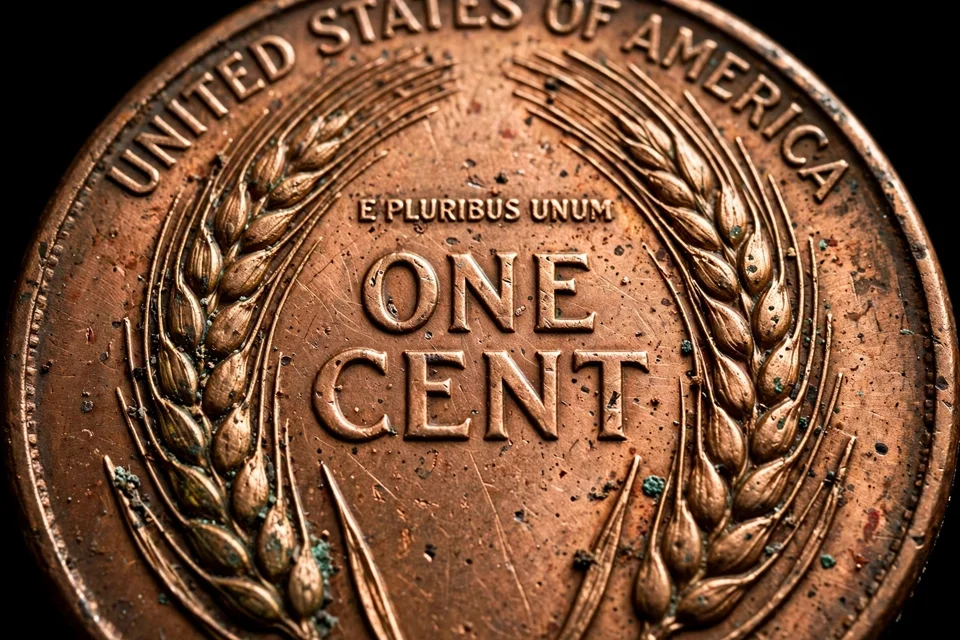
Designer Victor David Brenner, with Frank Gasparro's Lincoln Memorial reverse. Struck 1995 at Philadelphia only. Composition copper-plated zinc, 2.5 grams, diameter 19 millimetres, plain edge. Obverse: Lincoln facing right, date below, no mint mark, strong hub doubling on LIBERTY — boldest on the letters BERTY — with doubling on the date and IN GOD WE TRUST. Reverse: Lincoln Memorial, UNITED STATES OF AMERICA above, ONE CENT below. Mintage: the doubled die is a variety within the 1995 mintage, not a separate mintage — the catalog carries no separate figure for it. Metal floor: —. A zinc cent carries no precious-metal floor, so the live system shows no melt figure for this coin — its worth is collector value alone.
The 1995 Doubled Die is the error that made the news, and the doubled die that teaches the hunt. Learn LIBERTY under the loupe here, on a coin you can actually find, and the 1955 will make sense when you meet it — same lesson, rarer coin, same loupe.
What it is worth by grade
Our guide has not yet researched grade-by-grade estimates for the 1995 doubled die — the table below shows “—” for every grade rather than a guess. As the most available of the famous doubled dies, it sits well below the 1955 in comparable grades.
| Grade | Estimated value |
|---|---|
| Good (G-4) | — |
| Fine (F-12) | — |
| Extremely Fine (XF-40) | — |
| About Uncirculated (AU-50) | — |
| Mint State 60 (MS-60) | — |
| Mint State 65 (MS-65) | — |
Guide values reviewed November 5, 2026 — figures update live from our Worker.
Latest reported results for this coin
Checking for newly reported results…
Your 1995 Doubled Die questions, answered
How much is a 1995 Doubled Die penny worth?
Our guide has not yet researched grade-by-grade estimates for the 1995 doubled die, so this page carries no estimated value by grade. As the most available of the famous doubled dies, it sits well below the 1955 — which starts at $1,000+ worn — in comparable grades. Its standing reflects how many were struck, not how bold the doubling looks.
How can I tell a real 1995 Doubled Die from machine doubling?
Look for rounded doubling that matches the originals in height and thickness, with split serifs — strongest on the letters BERTY in LIBERTY, with doubling on the date and the motto too. Machine doubling shows flat, shelf-like doubling with a stepped, reduced appearance, because it happens during striking when the die bounces. Only hub doubling is a variety worth a premium.
Where is the doubling strongest on the 1995 Doubled Die?
On LIBERTY, especially the letters BERTY. The date 1995 shows the same doubling, clearest on the 9s, and the motto IN GOD WE TRUST shows it too, though less boldly. A coin that shows doubling only on the date, or only on one letter, is more likely machine doubling.
Can I still find a 1995 Doubled Die in circulation?
Yes — the 1995 is the doubled die that is still found in change, in rolls, and in jars, thirty years later, because it was struck in far larger numbers than the 1955 or the 1969-S. Check the date and LIBERTY on every 1995 you handle; the doubling is strong enough to see under a 10x loupe.
Is the 1995 Doubled Die as valuable as the 1955?
No. The 1955 released about 20,000 to 24,000 doubled dies into circulation and starts at $1,000+ worn, with the finest reaching $320,625. The 1995 was struck in far larger numbers and sits well below the 1955 in comparable grades. Both are true hub-doubled dies; the difference is rarity, not drama.
Check your 1995 Doubled Die
Run the date through the free Coin Value Checker for an instant estimate, or work the doubling through the Error Coin Identifier step by step. The full wheat series guide is here: Wheat Pennies Worth Money, 3¢ to $1.7 Million+. Compare the other famous doubled dies — the 1955 Doubled Die and the 1972 Doubled Die.
This guide is written so collectors can hunt the doubled die that made the news for themselves — by LIBERTY, by loupe, and by weight — and use that knowledge before any individual coin is judged.