Half Dime Values: How Much Is a Half Dime Worth?
Half Dime Values · 10 min read · Published November 8, 2026 · Updated November 8, 2026
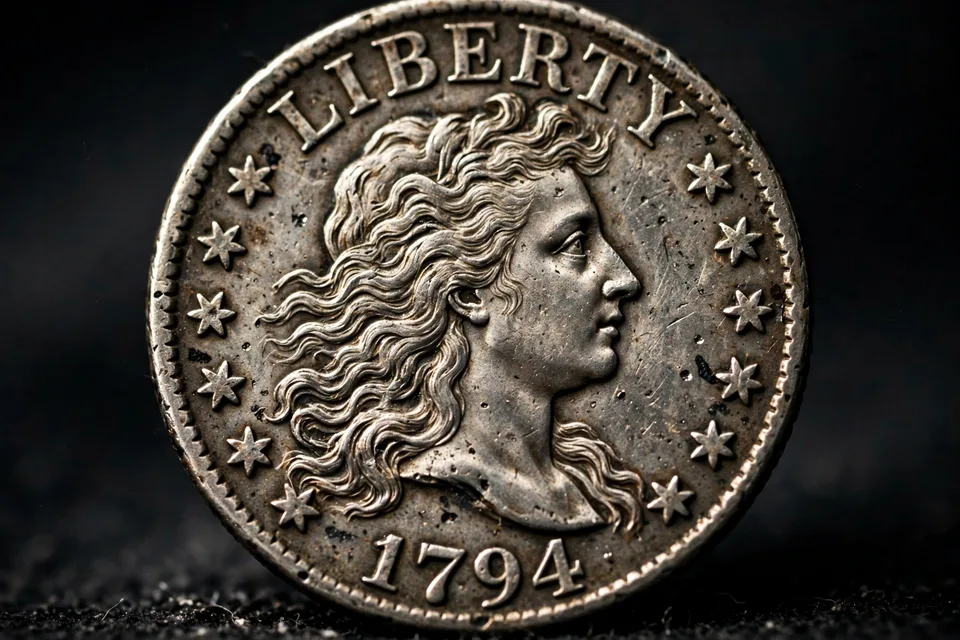
How much is a half dime worth? Most half dimes are worth $15+ to $250+ in circulated grades, because the common Seated Liberty dates of 1837–1873 survive in large numbers. Early types cost far more: a worn 1794 Flowing Hair half dime starts at $1,750+, the rare 1802 brings $45,000+, and the unique 1870-S sold for $3,120,000.
What Is a Half Dime?
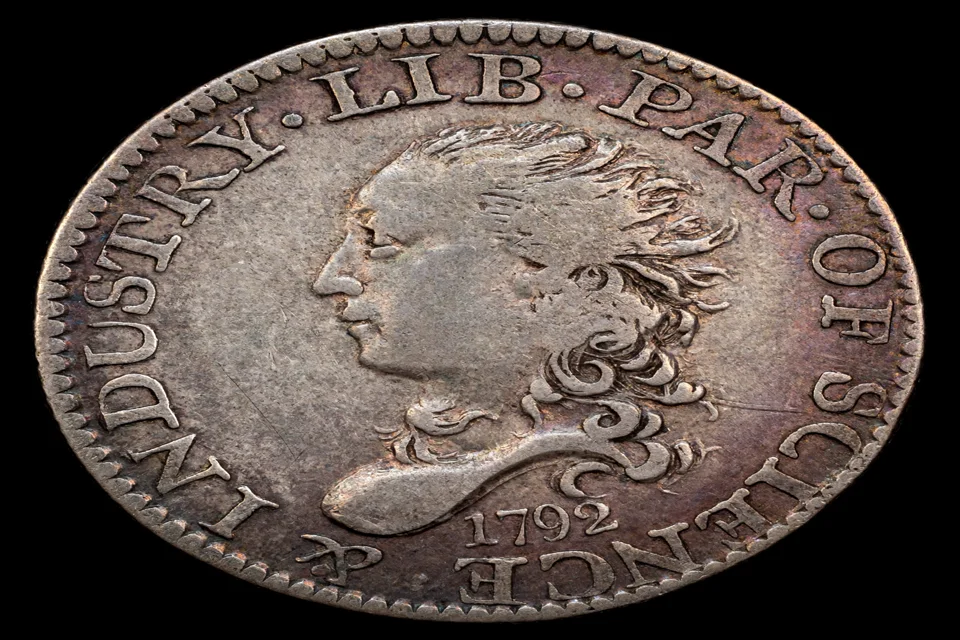
The half dime was America's five-cent silver coin, struck from 1792 to 1873 — the ancestor of the nickel, same five-cent value but silver instead of copper-nickel and about half the size of a dime. The first issue, the 1792 half disme, was struck before the Philadelphia Mint even opened — about 1,500 pieces, one of which now holds a $2,928,000+ auction record. Regular production began in 1794.
Three mints struck them: Philadelphia (no mint mark), New Orleans (O), and San Francisco (S), with Carson City (CC) joining for the final decade. The coin was tiny — 15.5 mm across — and light: 1.35 grams of 89.24% silver until 1853, then 1.24 grams of 90% silver after the Mint cut the weight of its silver coins.
The denomination ended with the Coinage Act of 1873, the same law that created the Trade dollar. By then the copper-nickel five-cent piece — the Shield nickel, introduced in 1866 — had already taken over everyday change, so Congress simply stopped making the silver version.
The Four Half Dime Designs
Every half dime falls into one of four design families. The design tells you the date range at a glance, and the date range tells you the price range — the earliest families are four-figure coins even when worn, while the last family starts at $15+.
| Design | Years | What to Look For |
|---|---|---|
| Flowing Hair | 1794–1795 | Flowing-haired Liberty; small eagle reverse |
| Draped Bust, Small Eagle | 1796–1797 | Draped Liberty; small spread-wing eagle |
| Draped Bust, Heraldic Eagle | 1800–1805 | Draped Liberty; large shielded eagle |
| Capped Bust | 1829–1837 | Capped Liberty; shielded eagle |
| Seated Liberty | 1837–1873 | Seated Liberty; wreath reverse |
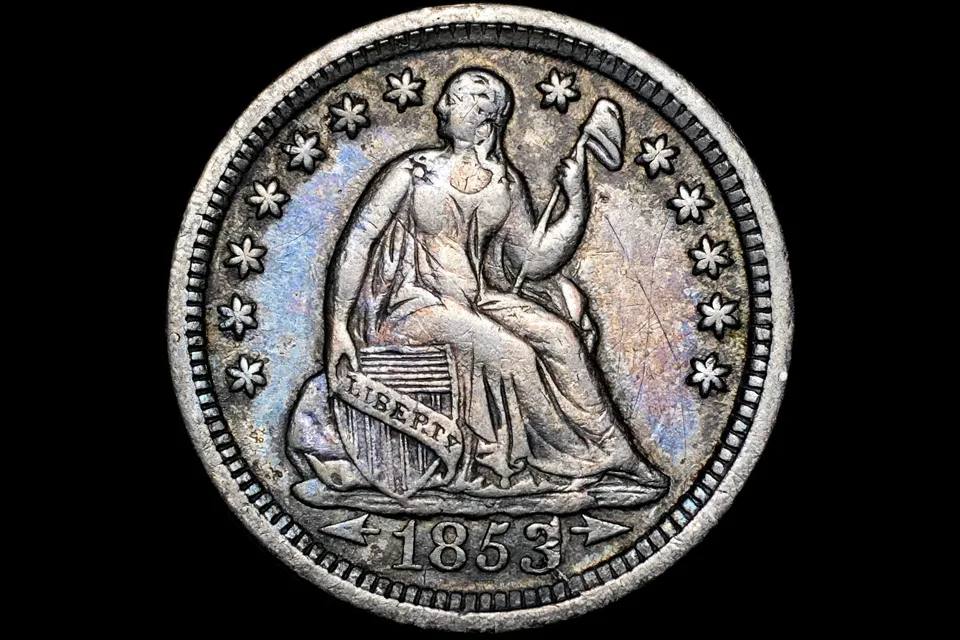
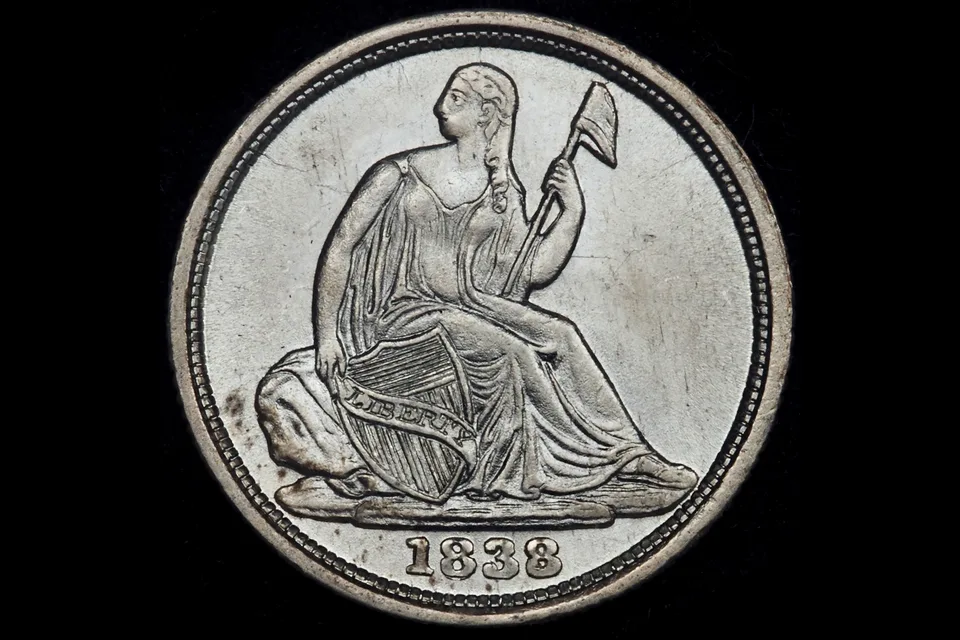
The Seated family ran longest and changed the most: no stars in 1837–1838, stars added in 1838, drapery at Liberty's elbow in 1840, arrows beside the date in 1853 to mark the lighter weight, and the legend UNITED STATES OF AMERICA replacing the stars in 1860. Learn those five changes and you can place any Seated half dime within a few years before you even read the date.
Half Dime Values by Type
Value here is driven by type first, date second, grade third. A common Seated half dime in Good is a $15+ coin; a common Flowing Hair half dime in the same grade is a $1,750+ coin.
| Type | Good | Very Fine | About Uncirculated |
|---|---|---|---|
| Flowing Hair, 1794–1795 | $1,750+ | $8,000+ | $25,000+ |
| Draped Bust, Small Eagle, 1796–1797 | $1,600+ | $7,500+ | $30,000+ |
| Draped Bust, Heraldic Eagle, 1800–1805 | $1,600+ | $6,000+ | $20,000+ |
| Capped Bust, 1829–1837 (common) | $40+ | $150+ | $700+ |
| Seated Liberty, 1837–1873 (common) | $15+ | $50+ | $250+ |
Those are type prices, not date prices. Inside the Seated family, most 1850s and 1860s dates sit near the common range, while early dates and branch-mint issues run higher. The 1853 With Arrows variety runs $20+ to $1,200+, and the 1873 final-year coins run $22+ to $28+ in Good — Philadelphia struck 712,000 and San Francisco 324,000 of them.
Grade matters more than most new collectors expect. A common Seated half dime worth $15+ in Good is worth $50+ in Very Fine and $250+ in About Uncirculated; a Flowing Hair half dime goes from $1,750+ worn to $25,000+ in About Uncirculated.
The Key Dates Worth Real Money
Five dates carry most of the series' big money.
1802 Draped Bust — $45,000+ and Up
The 1802 is the second-greatest rarity in the denomination. Only 3,060 were struck, and no Mint State example is known. Even a heavily worn one starts at $45,000+, a Very Fine example brings $150,000+, and a PCGS AU-53 realised $456,000 at Heritage in August 2022.
1870-S Seated Liberty — $3,120,000, Unique
The 1870-S is the most famous half dime in existence. No Mint record shows it was ever struck, only one confirmed example is known, and it was overlooked for over a century before being discovered in 1978. Graded PCGS MS64, it sold for a record $3,120,000 at Heritage in January 2023.
1838-O No Stars — $500+ to $2,300+
The 1838-O is the first half dime struck at New Orleans and the only No Stars issue from that mint — and one of the most counterfeited early half dimes. Recent sales: VG10 $537, VF20 $1,007, and VF-35 $2,318, all in October 2026. In Mint State it reaches $12,000+.
1853-O No Arrows — $1,600+ to $20,000+
When the Mint cut the half dime's weight in 1853, it added arrows beside the date. A handful of 1853-O coins were struck on the old, heavier planchet without arrows. It runs $1,600+ in Very Fine, $4,000+ in About Uncirculated, and $20,000+ in MS63.
1837 No Stars — the First Seated Half Dime
The 1837 No Stars opened the Seated series with a mintage of 1,405,000 — the largest of any early half dime — and it is the type coin every Seated set starts with.
How to Tell What Your Half Dime Is Worth
Work through these five checks in order.
Step 1: Read the Date and the Design
The date and design family set the price floor. A 1794–1805 coin is a four-figure coin before grade is even considered; a Seated coin from the 1850s or 1860s is a $15+ coin unless it is a key date or a high grade.
Step 2: Find the Mint Mark
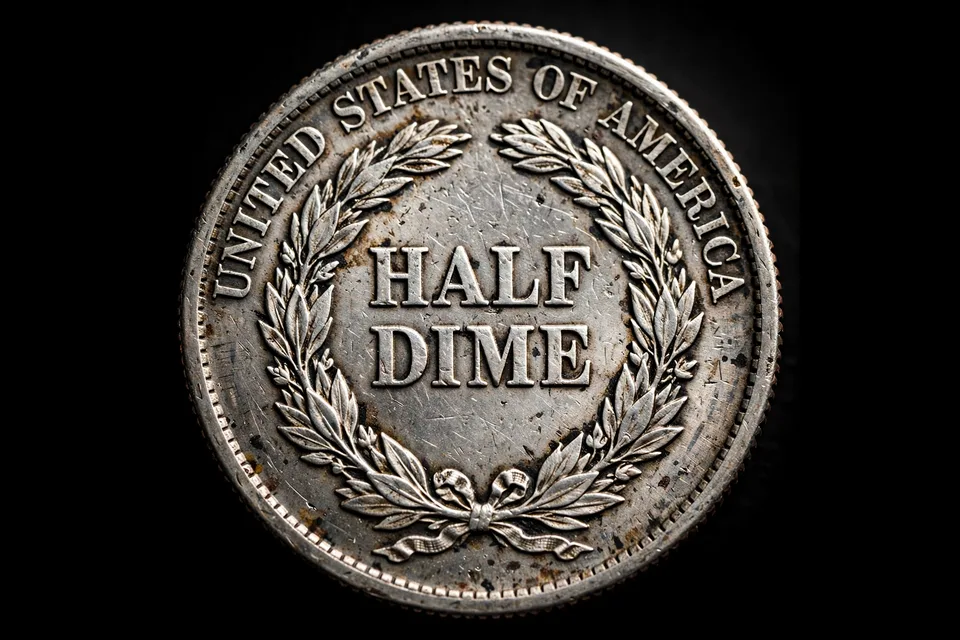
Philadelphia coins carry no mint mark. On Seated half dimes, the mint mark sits on the reverse, at the bow that ties the wreath at the bottom. An O means New Orleans, an S means San Francisco, a CC means Carson City. On some dates the mint mark is the whole difference between $20+ and $1,000+.
Step 3: Check the Stars, Arrows, and Drapery
On a Seated half dime, small design changes are worth real money. No stars means 1837–1838; no drapery at Liberty's elbow means 1838–1840; arrows beside the date mean 1853–1855; the legend around the obverse instead of stars means 1860–1873.
Step 4: Grade It Honestly
Hold the coin under a single light and look at Liberty's knee and breast on the obverse and the wreath leaves on the reverse — wear shows there first. One grade point on an early type can be worth thousands, so read our grading guide before you price it.
Step 5: Weigh It
A genuine half dime weighs 1.35 grams if it was struck before 1853 and 1.24 grams if it was struck after. A coin far off that weight is a counterfeit or a copy. The 1838-O No Stars is one of the most faked early half dimes, and a weight check catches most copies before they cost you anything.
Melt Value: What the Silver Alone Is Worth
Every half dime is silver, so every half dime has a melt floor. The later Seated types carry about 0.0359 troy ounces of pure silver; the earlier, heavier types carry about 0.0388 ounces. With silver near $52 per troy ounce in November 2026, the metal in a half dime is worth roughly $1.90+ to $2.01+. That is why even the most common circulated Seated half dime sells for $15+, many times its metal value.
Mistakes That Cost Collectors Money
- Cleaning a half dime. A dip or a polish strips the original surface in seconds and can cut the value in half. Never clean one.
- Calling every old half dime rare. Most 1850s and 1860s Seated half dimes are common dates worth $15+ to $50+. Rarity here means the 1802, the 1870-S, or a recognised variety — not age alone.
- Missing the No Arrows variety. The 1853-O No Arrows is worth roughly ten times the common 1853-O With Arrows. Always check for arrows beside the date on any 1853 half dime.
- Buying an 1838-O raw. The 1838-O No Stars is heavily counterfeited. For any example worth four figures, buy certified or not at all.
- Forgetting the reverse. The mint mark sits on the reverse, at the wreath bow. Collectors who check only the obverse miss it — and it is often where the money is.
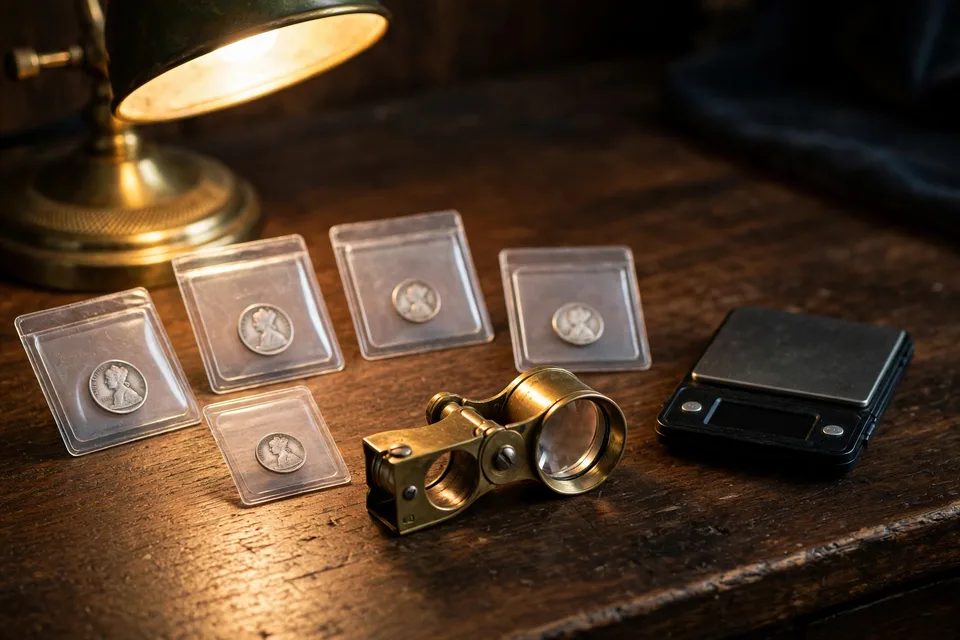
A half dime costs nothing to check, and the difference between a $15+ common date and a $45,000+ 1802 is one look at the date and the mint mark. Before you spend or sell, run your coin through The Diggin Dave's free Coin Value Checker and try Grade-or-Not for a grade verdict. A 10x loupe, 2x2 coin flips, and a Red Book guide are the only tools the checks in this guide need.
As an Amazon Associate, this site may earn from qualifying purchases.
Further Reading on Half Dimes
- 1792 Half Disme: America's $2,928,000 First Coin — the first half dime and its record
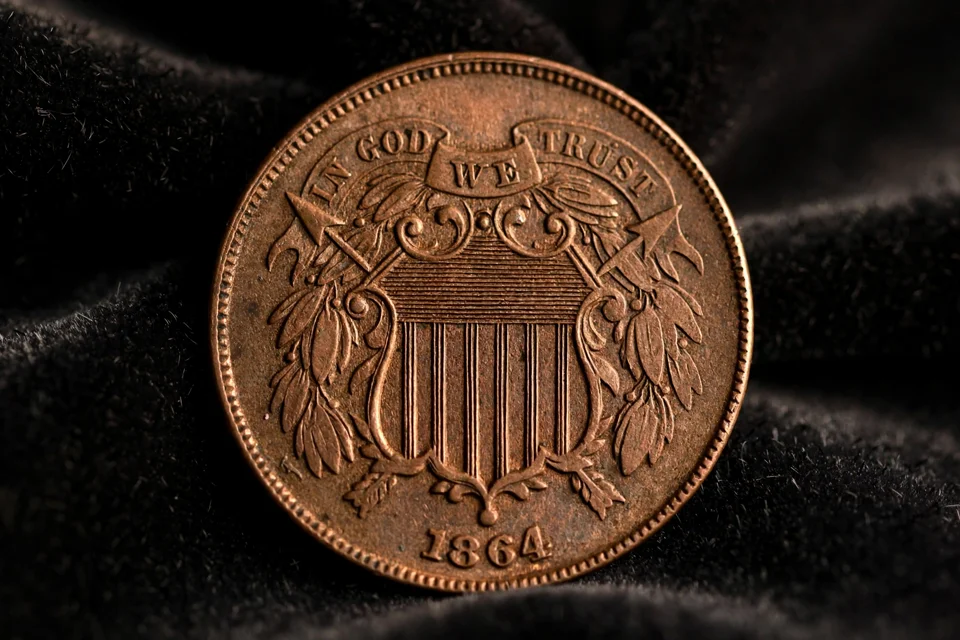
- How Much Is a Two-Cent Piece Worth? 1864–1873 Guide — the other denomination the 1873 act ended
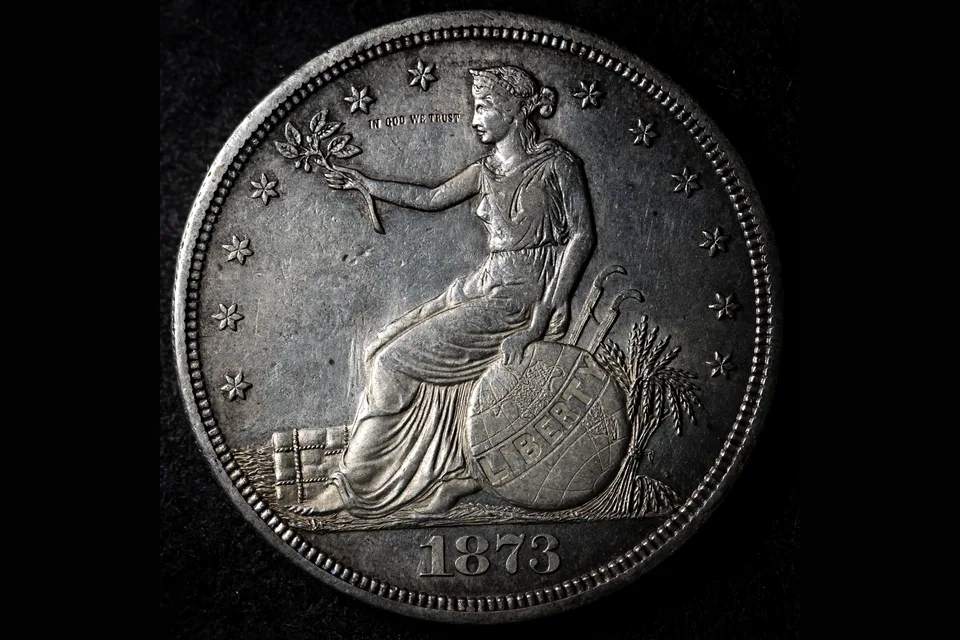
- How Much Is a Trade Dollar Worth? 1873–1885 Guide — the silver dollar the 1873 law created
Frequently Asked Questions
How much is a half dime worth?
Most half dimes are worth $15+ to $250+ in circulated grades. Common Seated dates run $15+ in Good, $50+ in Very Fine, and $250+ in About Uncirculated, while early types start at $1,600+ even when worn.
What is the rarest half dime?
The 1870-S is the rarest — only one confirmed example exists; it sold for $3,120,000 at Heritage in January 2023. The 1802 is the second-greatest rarity, with 3,060 struck and no Mint State example known.
How much silver is in a half dime?
A half dime struck before 1853 weighs 1.35 grams at 89.24% silver; later issues weigh 1.24 grams at 90% silver — about 0.0359 to 0.0388 troy ounces of pure silver, or about $1.90+ to $2.01+ in melt value at November 2026 silver prices near $52 per ounce.
What years were half dimes made?
Half dimes were struck from 1792 to 1873. The first issue, the 1792 half disme, was struck before the Philadelphia Mint opened; regular production ran from 1794.
How can you tell a half dime from a nickel?
A half dime is silver, 15.5 mm across, and dated 1792 to 1873. A nickel is copper-nickel, 21.2 mm, and dated 1866 or later. A half dime also weighs far less — about 1.3 grams against a nickel's 5 grams.
Is an 1838-O half dime valuable?
Yes. The 1838-O No Stars, the first half dime struck at New Orleans, runs $500+ in lower grades — recent sales of $537 in VG10, $1,007 in VF20, and $2,318 in VF-35 — and $12,000+ in Mint State. It is heavily counterfeited, so buy certified.